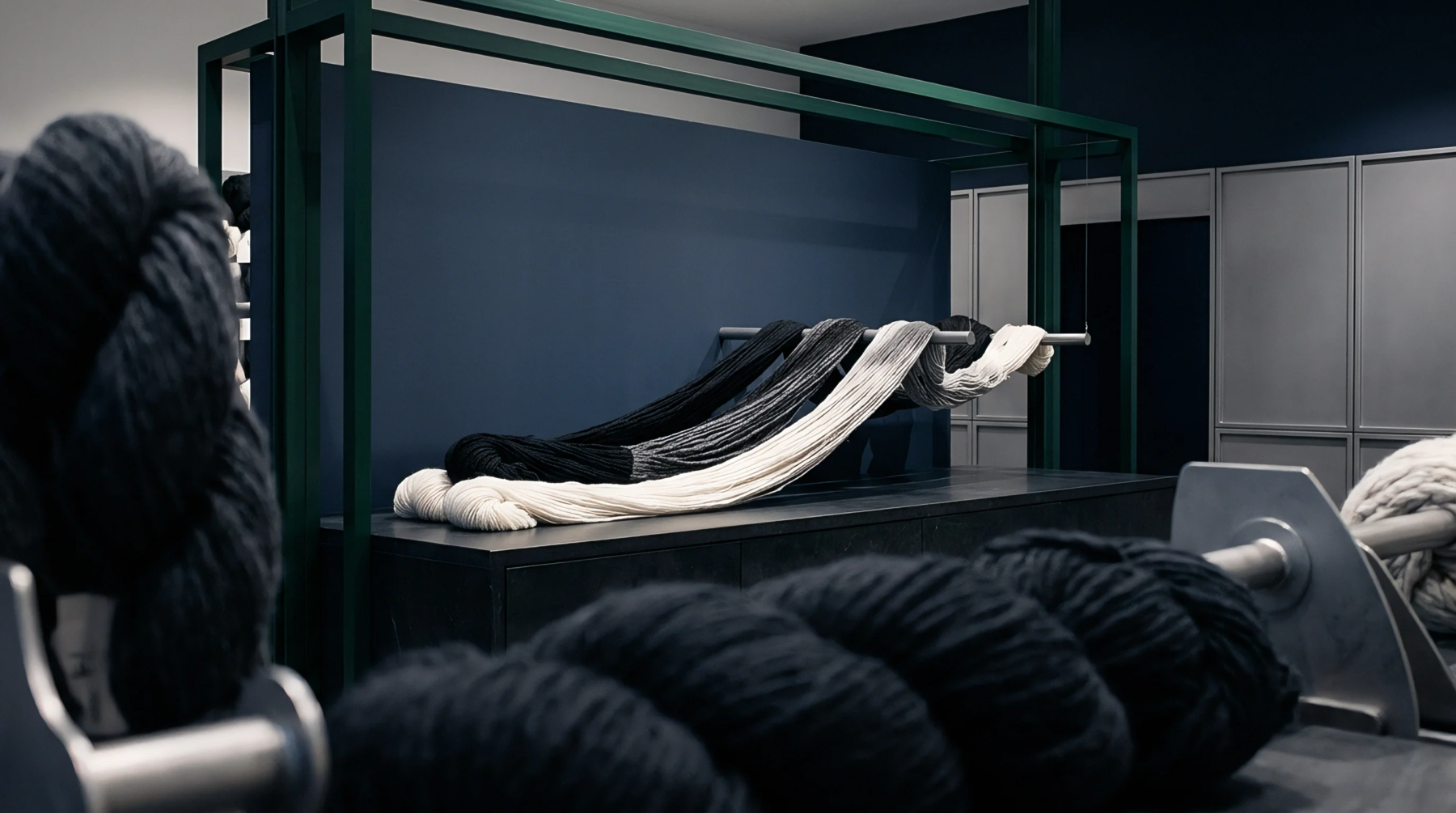
Production Feedstock
Unprocessed or semi processed substances entering the manufacturing cycle form the foundation of every textile product. In a spinning mill, raw material input typically consists of baled cotton or synthetic polymer chips ready for extrusion. Physical properties at this stage dictate the strength, texture, weight and durability of the resulting yarn.
Supply Chain
Procurement of these items involves rigorous testing to ensure they meet the mechanical requirements for high speed processing. Every raw material input undergoes a check for moisture content and staple length before it reaches the production line. Variations at this early stage cause obvious defects in the final fabric if not corrected during the blending phase.
Economic Weight
Costing models for garment production are heavily sensitive to the price fluctuations of the primary commodities. If the price of raw material input rises, the factory must either improve efficiency or increase the price of the finished goods. Tracking the volume of these inputs is essential for calculating the total yield of a factory.
Sustainability Origin
Certification for organic or recycled status begins with the verification of the source at the intake gate. Any raw material input lacking the correct paperwork cannot be used for certified product lines.