Processing Flaw
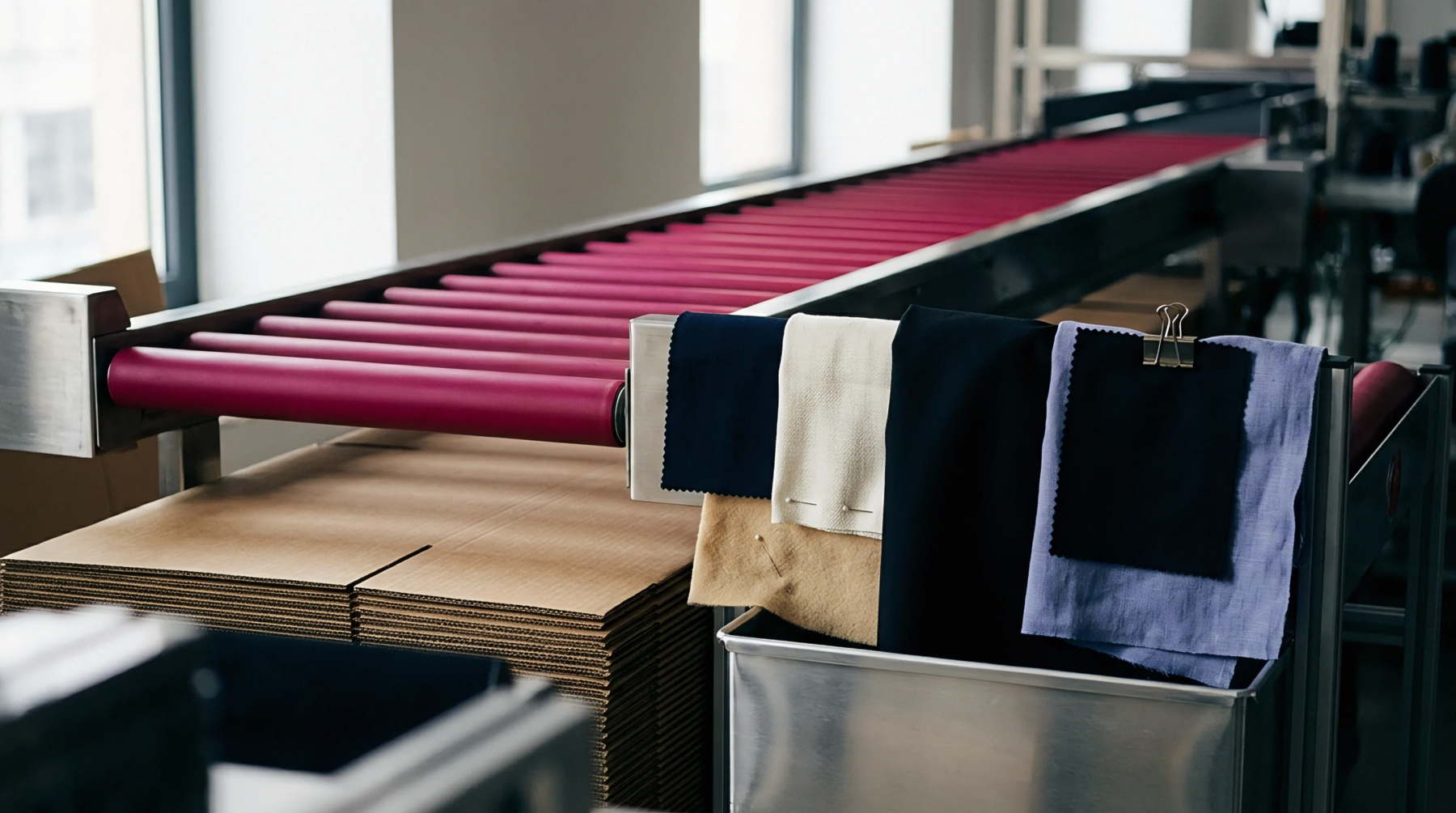
Coloration abnormalities occurring during cotton and viscose wet processing degrade the commercial quality of finished piece-dyed and knitted fabrics. Dyehouse managers track reactive dyeing defects to detect shade unlevelness, listing, ending, and spotting before fabric lots proceed to cutting rooms. These physical imperfections arise from uneven dye exhaustion, improper alkali dosing, incomplete washing off, or residual knitting machine lubricants.
Finished yardage exhibiting visual defects fails international four-point inspection standards and cannot be cut into first-quality garments.
Hydrolysis Mechanism
Chemical reaction failure between reactive dyes and cellulose hydroxyl groups generates non-reactive hydrolyzed dye molecules that cause prominent shading discrepancies. Reactive dye molecules possess functional vinyl sulfone or chlorotriazine groups designed to form covalent bonds with cotton cellulose under alkaline fixation conditions. A competing reaction occurs when water molecules react with these electrophilic centers, converting active dye into hydrolyzed dye that cannot chemically bond with the fiber.
Hydrolyzed dyes possess affinity for cotton but wash out during laundering if soaping baths fail to remove them completely. Inadequate water rinsing or insufficient soaping temperatures redeposit unfixed hydrolyzed colorants onto the fabric surface, generating dark dye spots. Uneven temperature distribution inside jet dyeing machines accelerates local hydrolysis rates, yielding severe two-sidedness and longitudinal shade listing across fabric ropes.
Morphological Variation
Structural inconsistencies in yarn preparation generate distinct optical blemishes across dyed yardage. Barré striping in circular knits results from tension differences during yarn feeding or inconsistent cotton maturity in spinning lots. Dead or immature cotton fibers lack secondary cellulose walls, causing them to absorb less reactive dye and appear as white specks across dark surfaces.
Remediation Strategy
Preventing visual flaws requires continuous control of liquor ratios, pH curves, salt additions, and soaping temperatures during batch processing. Systematic tracking of reactive dyeing defects allows mills to isolate batching errors before large fabric volumes suffer commercial downgrading.