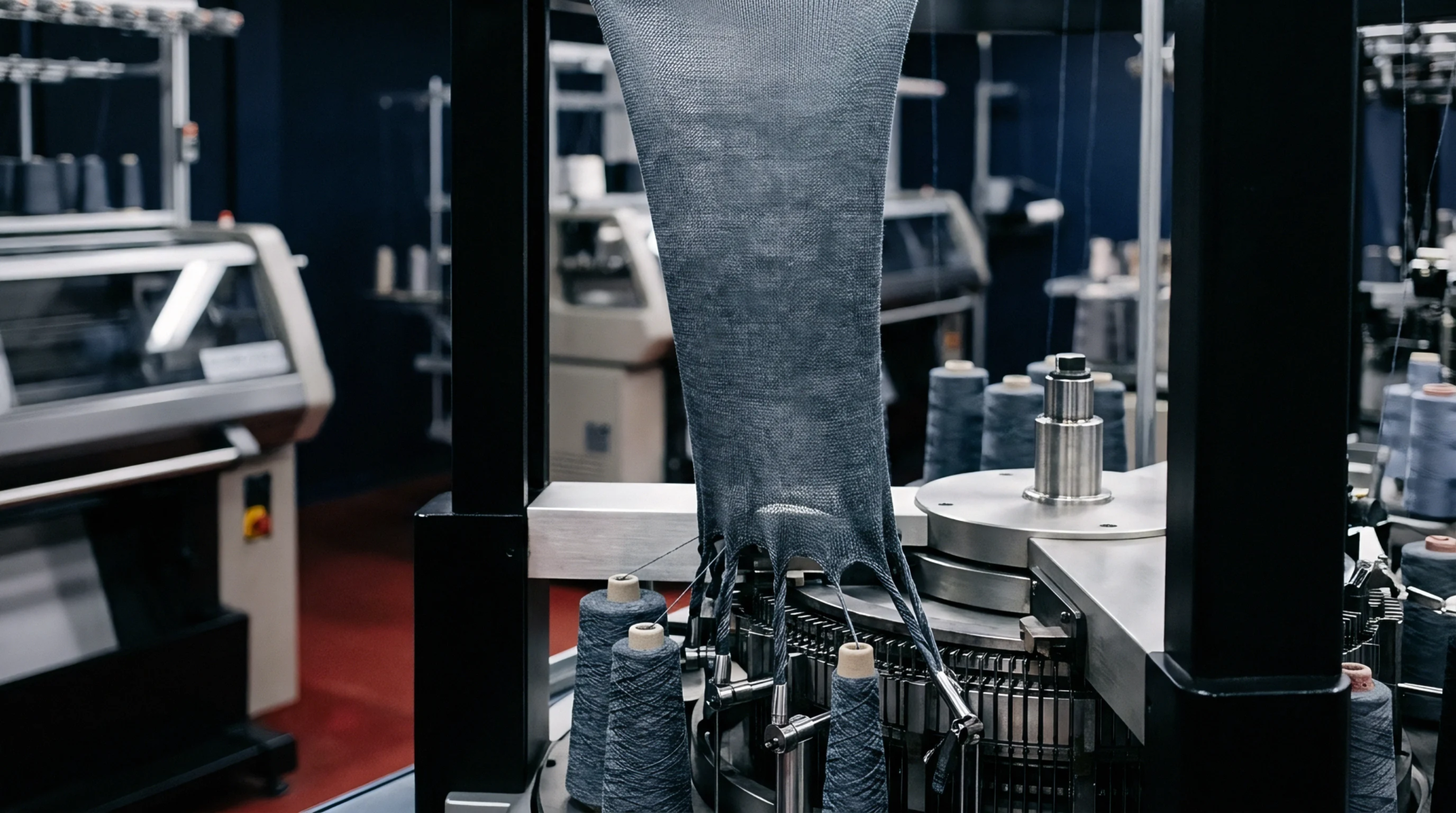
Spinning Method
Continuous mechanical twisting creates high density cotton yarn through the use of a rotating frame that drafts and inserts turns simultaneously. This ring spun cotton results from a process where raw fibres undergo intense cleaning and parallel alignment before a traveller draws them into a fine strand. The resulting yarn exhibits superior uniformity and tensile strength compared to alternatives produced by rotor systems.
High friction during the attenuation phase pulls individual filaments tight to minimize protruding hairiness. Strength gains originate from the density of the twist and the specific orientation of the fibres along the axis.
Production Characteristic
Manufacturing facilities select this input to achieve finer yarn counts that support lightweight garment construction. Tight fibre consolidation allows for a smoother surface texture which reduces pilling during subsequent wash cycles. Apparel brands prioritize this material for screen printing surfaces because the lack of surface irregularities promotes crisp ink adhesion.
Machines operating at higher speeds experience fewer breakages when using this high quality yarn throughout the weaving process.
Laboratory Verification
Quality control departments measure yarn evenness and diameter through capacitive sensing equipment calibrated to detect mass deviations along a length. Technicians record hairiness indexes to distinguish this type from open end alternatives that possess more exposed fibre ends. Inspectors confirm fibre length distributions to ensure the raw material input meets the specific standards required for high twist stability.
Reports generated from these tests provide the technical baseline for sourcing teams to compare supplier batches against performance requirements.
Market Consequence
Procurement managers recognize the price premium associated with this specific spinning technology because of the slower production speed required to manage the high tension. Capital investment in spinning frames remains a limiting factor for supply chains seeking to transition away from cheaper pneumatic methods. Fabric mills factor the increased durability and soft hand feel into the product specifications for premium retail lines.
Consistent manufacturing output ensures that dyed colours appear uniform across the entire surface of the garment.