Laboratory Procedure
Quality control guidelines for fiber shipments establish the systematic steps required to minimize statistical variance when drawing test specimens from large bulk lots. The sampling error protocols specify the number of bales to be sampled and the method for extracting core fibers. This procedure is followed to ensure that the test results represent the entire shipment.
Error Control
Technicians follow these guidelines to prevent bias that arises when samples are taken only from the outer layer of bales. In cotton testing, the sampling error protocols require that core samples are taken from different depths and from randomized locations across the lot. This randomized selection is necessary to capture variations in moisture and trash content.
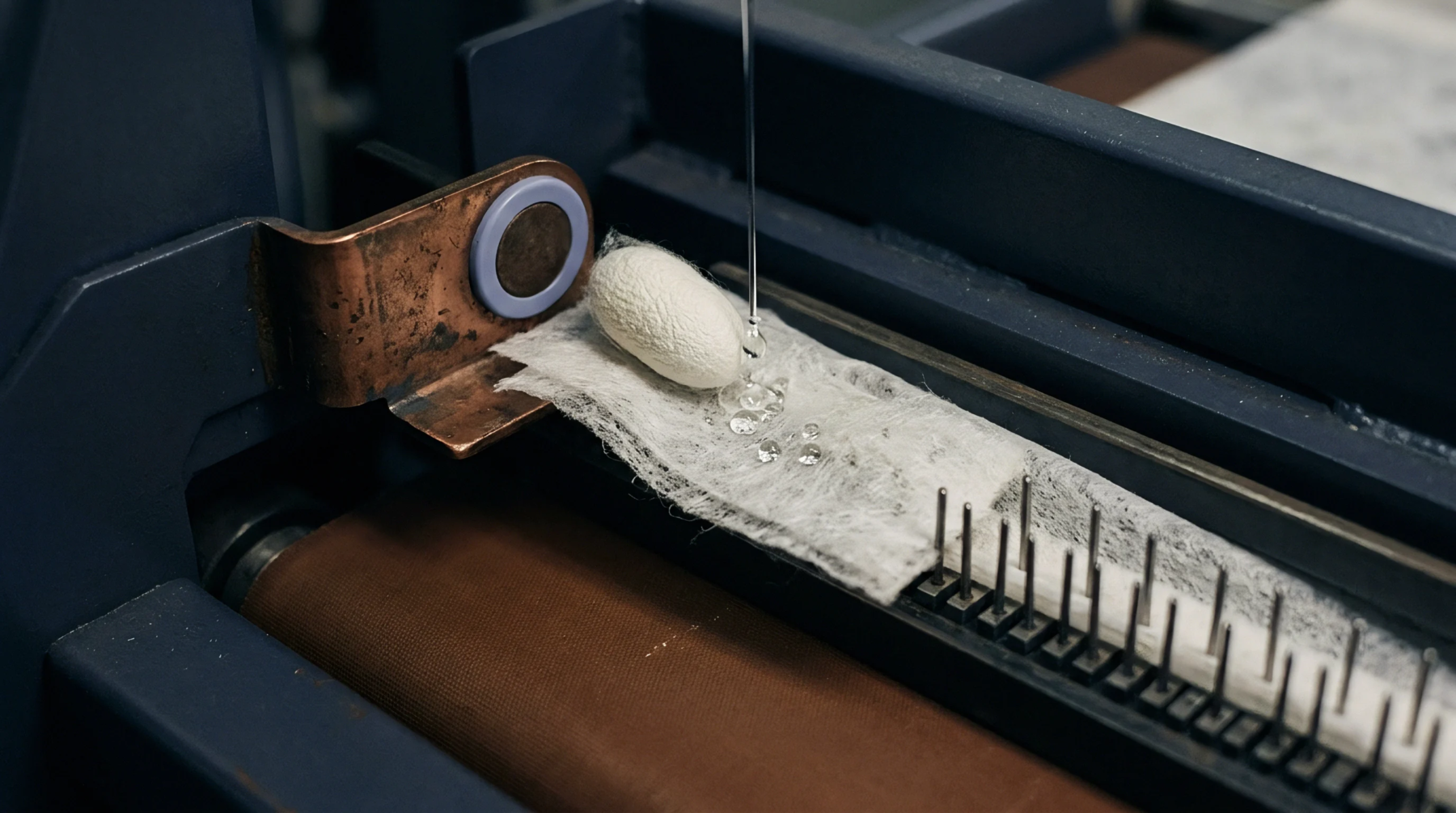
The extracted fibers are then blended in a laboratory carding machine to create a homogeneous specimen for analysis.
Audit Method
When a dispute arises between a yarn mill and a fiber merchant, an independent laboratory is called in to perform audit testing using these rules. The auditors must document that the sample extraction was done in accordance with the specified guidelines. This documentation is required to validate the subsequent measurements of fiber length and moisture.
If the sample was not drawn according to the sampling error protocols, the test results are rejected. This verification protects both the buyer and the seller from financial loss.
Industrial Boundary
These protocols apply to large shipments of cotton and synthetic staple fiber. They are not used for continuous filament yarns or finished garments, which are evaluated using different methods.