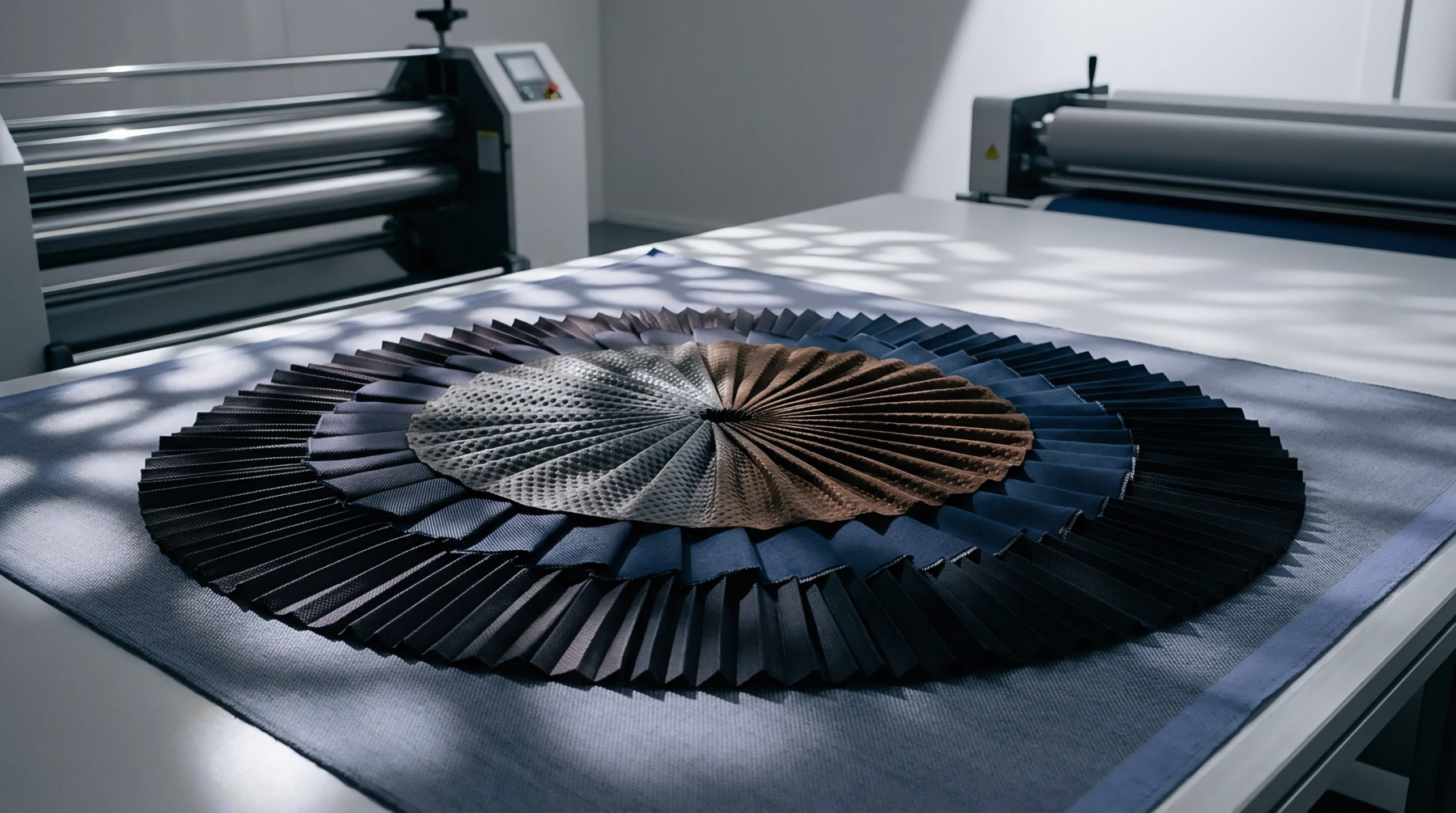
Metallic Profiling
Interlocking steel ribbons with stamped triangular teeth wrap around the cylinders of carding and opening machinery to comb and individualize fibers. The design of saw tooth clothing wire determines the intensity of the carding action and the degree of fiber parallelization. Varying the tooth density and the rake angle allows the wire to be tailored to specific fiber types.
Carding Engagement
Sharp teeth penetrate the moving fiber mass to break up small tufts into single fibers. With a forward-facing rake angle, the saw tooth clothing wire grips the fibers firmly against the centrifugal forces of the high-speed cylinder. This action is essential for separating tangled fibers and removing microdust.
Trash Ejection
Seed coat fragments and trash particles are held on the outer tips of the teeth where they can be stripped away by mote knives or suction hoods. The spacing between the teeth must be wide enough to allow trash to separate, yet close enough to prevent fibers from embedding too deeply. Fibres that sink to the base of the wire are difficult to strip and can cause loading of the cylinder.
This loading reduces carding efficiency and necessitates frequent mechanical stripping to restore performance.
Wire Longevity
Hardness of the steel alloy ensures the teeth remain sharp despite continuous contact with abrasive sand and trash. Worn teeth lose their grip and result in poor fiber parallelization and increased yarn hairiness.