Mechanical Resistance
Seam allowance friction represents the drag force measured between overlapping plies of fabric as they pass through high speed industrial sewing machines during the assembly phase of garment manufacturing. This physical property determines how much needle penetration force and feed dog pressure are required to maintain consistent stitch density without creating fabric distortion or puckering.
Process Dynamics
Raw textile materials possess distinct surface characteristics that influence the speed at which layers slide against one another under compression. The coefficient of friction within a seam allowance dictates how effectively the machine throat plate and pressure foot coordinate to advance the material. High friction levels often cause the bottom layer of cloth to gather or bunch while the top layer remains stretched, creating an uneven seam appearance.
Technicians adjust the feed mechanism or apply specialized lubricants to the needle path to mitigate these variances. If the friction remains too high, the motor load increases and creates localized heat that potentially damages synthetic fibres. Manufacturers monitor these values when transitioning between different fabric weights or fiber compositions to maintain production throughput.
The data gathered from these observations guides the calibration of automatic assembly lines where synchronization between the feeder and the needle defines the finished quality. Each adjustment modifies the interface between the components to ensure the needle enters the material at the exact calculated point every time.
Material Influence
Polyester blends often exhibit different behavior than natural cottons due to the moisture content and surface finish applied during the final wet processing stage of the mill production. Synthetic yarns frequently produce a smoother profile but increase static buildup, which contributes to the attraction between plies and alters the effective drag. Heavy coatings or stiff sizing agents applied at the finishing plant increase the surface roughness, requiring higher machine settings to pull the plies through the stitch formation zone.
Garment designers select specific interlinings to modify this internal grip, ensuring that the components stay aligned during the intensive sewing sequence. The presence of finish chemicals serves to either reduce the grab between layers or increase the grip to prevent slippage during complex stitching paths. Precise control of these surface properties allows factories to achieve uniform results across thousands of individual garments despite the inherent variability of woven textiles.
Quality Verification
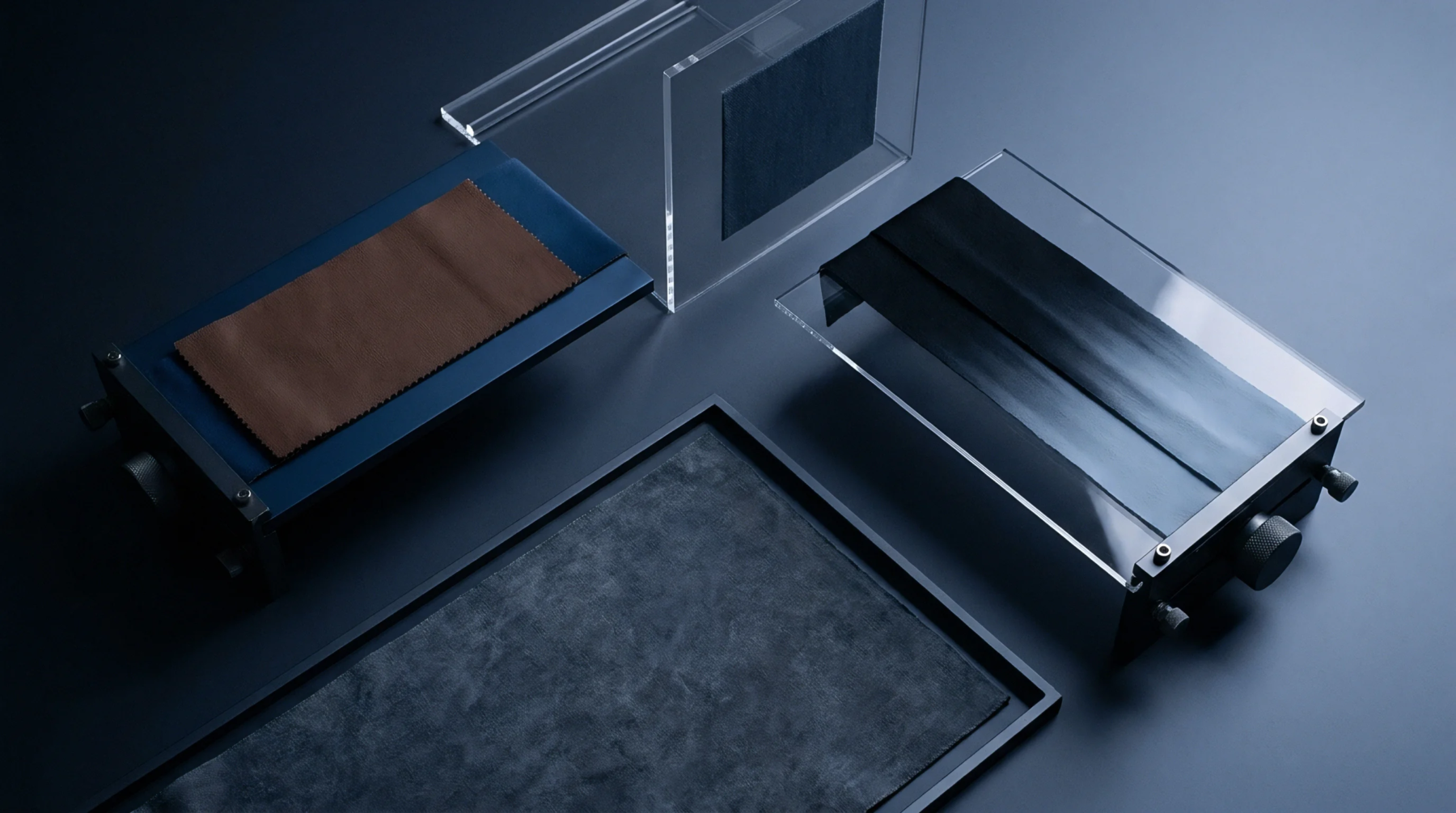
Inspection protocols at the assembly checkpoint verify that the seam allowance friction meets the tolerance established by the initial prototyping stage. Failure to match these parameters results in rejected batches characterized by twisted seams or broken stitches that compromise the structural integrity of the final product. Analysts use calibrated test stands to apply tension to the fabric interface, recording the force required to move one ply against another under fixed pressure.
These measurements identify potential production failures before the bulk sewing run begins, preventing costly downtime and raw material wastage. Tight control of these variables ensures the mechanical consistency of mass produced apparel during the high speed stitch cycle.