Final Stage
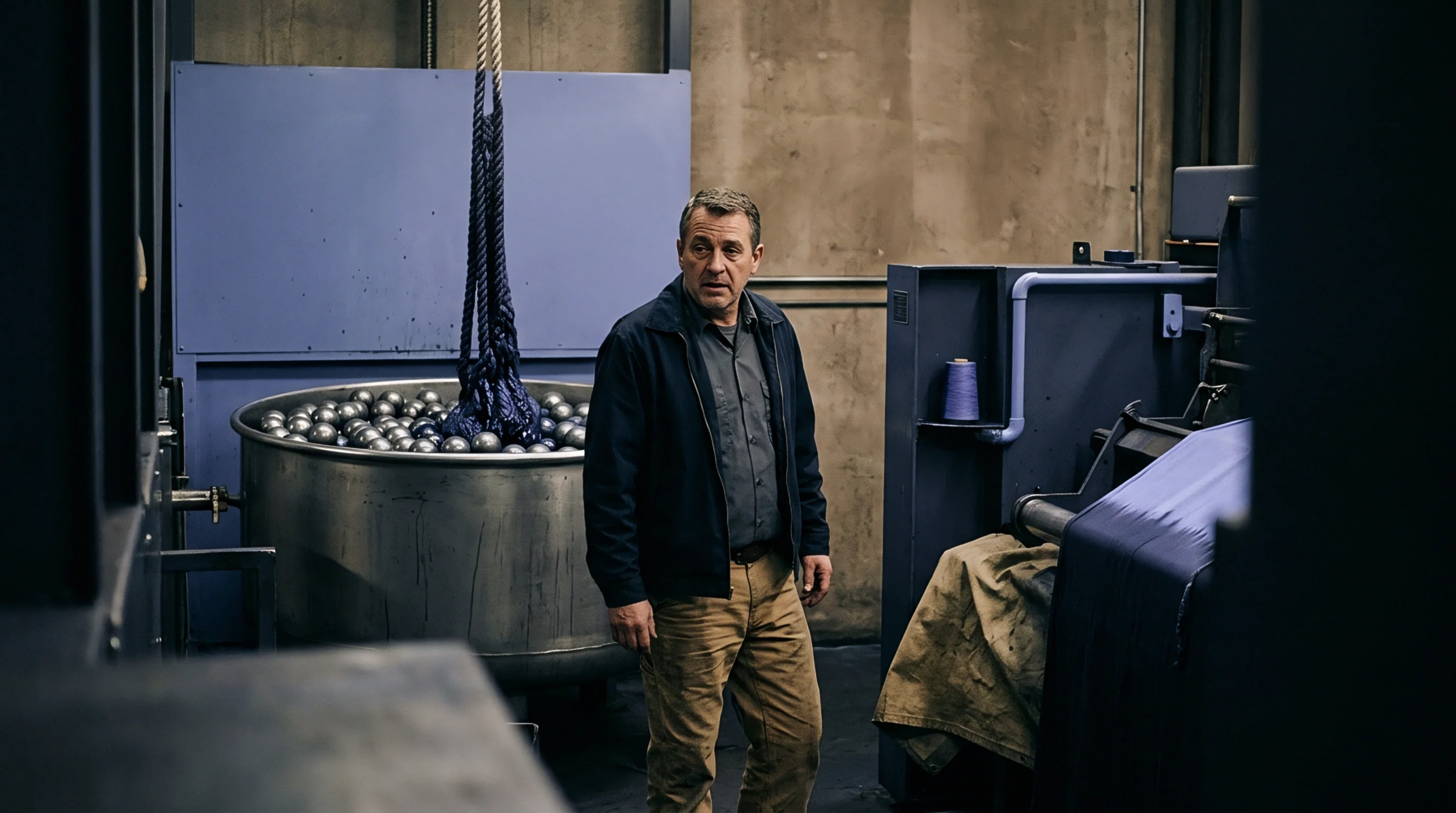
Final thermal treatment occurs on a pin or clip frame to stabilize the dimensions of the fabric. Engaging in secondary stenter drying follows a prior wet process. This stage sets the width.
Dimensional Stability
Tension control is the most important factor when the fabric passes through the heated chambers. During secondary stenter drying, the machine applies lateral and longitudinal pull to align the grain of the textile. This prevents twisting or torquing in the finished garment which is a common defect in low quality knits.
Surface Refinement
The temperature and airflow inside the machine can be adjusted to influence the handfeel of the cloth. Using secondary stenter drying allows the mill to apply a final touch that might have been lost during intermediate washing or dyeing steps. High-speed fans circulate hot air to provide a uniform finish across the entire surface of the roll.
Operational Efficiency
Careful scheduling of this process avoids bottlenecks in the finishing department. Since secondary stenter drying consumes a large amount of energy, mills often group fabrics with similar drying requirements together to maximize the efficiency of the heat exchange systems. Modern sensors monitor the moisture levels in real time to prevent over-drying or heat damage.