Tension Coefficient
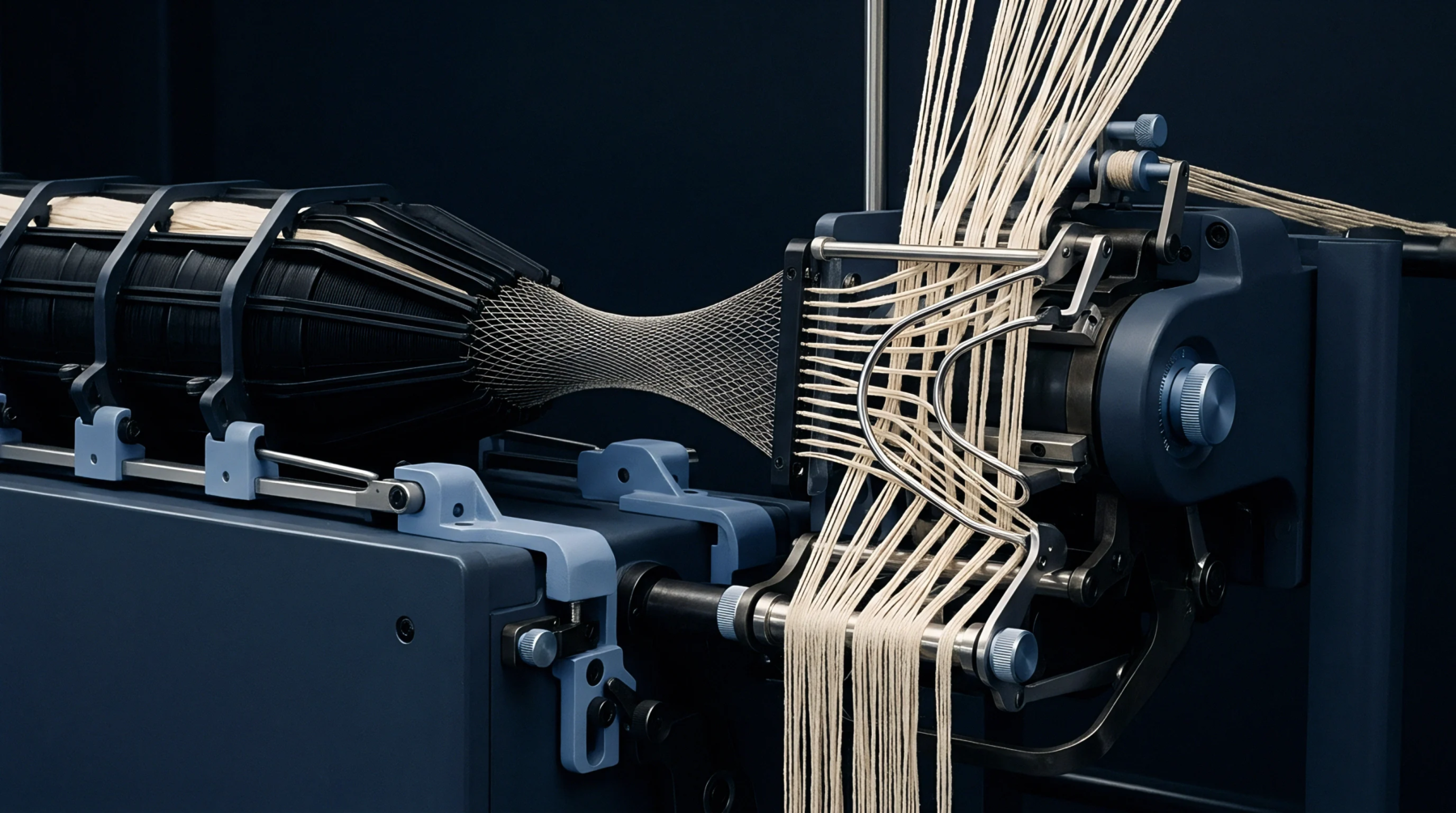
Warp yarn tension during the sizing process requires precise control to prevent excessive yarn elongation and loss of elasticity. This stretch ratio, known as sizing draft, represents the percentage increase in yarn length as the warp sheet passes through the slasher. Maintaining a low tension profile keeps the yarn elastic.
Warp Extension
Excessive stretching during sizing reduces the yarn’s residual elongation, causing increased warp breaks on the loom. Keeping the sizing draft below one percent preserves the natural elasticity of the yarn, which is necessary to withstand the tensile peaks during shedding. Preserving yarn elongation yields higher loom efficiency.
Moisture Control
Wet warp yarns are more sensitive to stretching than dry ones, making the tension between the size box and the drying cylinders particularly critical. Applying too much force to the wet yarn causes permanent deformation.
Slasher Adjustment
Modern slasher machines utilize multi-motor drive systems to control the speed of each section independently. These drives adjust the sizing draft dynamically to match the varying yarn properties and moisture levels of different yarn batches. Technicians measure the input speed at the creel and compare it to the take-up speed at the loom beam to ensure the stretch remains within the tight tolerance limits specified by the yarn spinner.