Core Definition
The sliver draft ratio is a processing calculation representing the proportional difference between the linear density of the feed material and the delivered strand within textile preparation machinery. Carding engines and drawing frames depend on this proportional adjustment to orient parallel staple fibres before roving operations begin. Mechanical attenuation forces the parallelized mass through consecutive roller pairs rotating at graduated surface speeds.
Mill technicians verify this proportional setting at the delivery calendar rolls against the input feed weight per unit length to prevent uneven yarn formation downstream.
Mechanical Execution
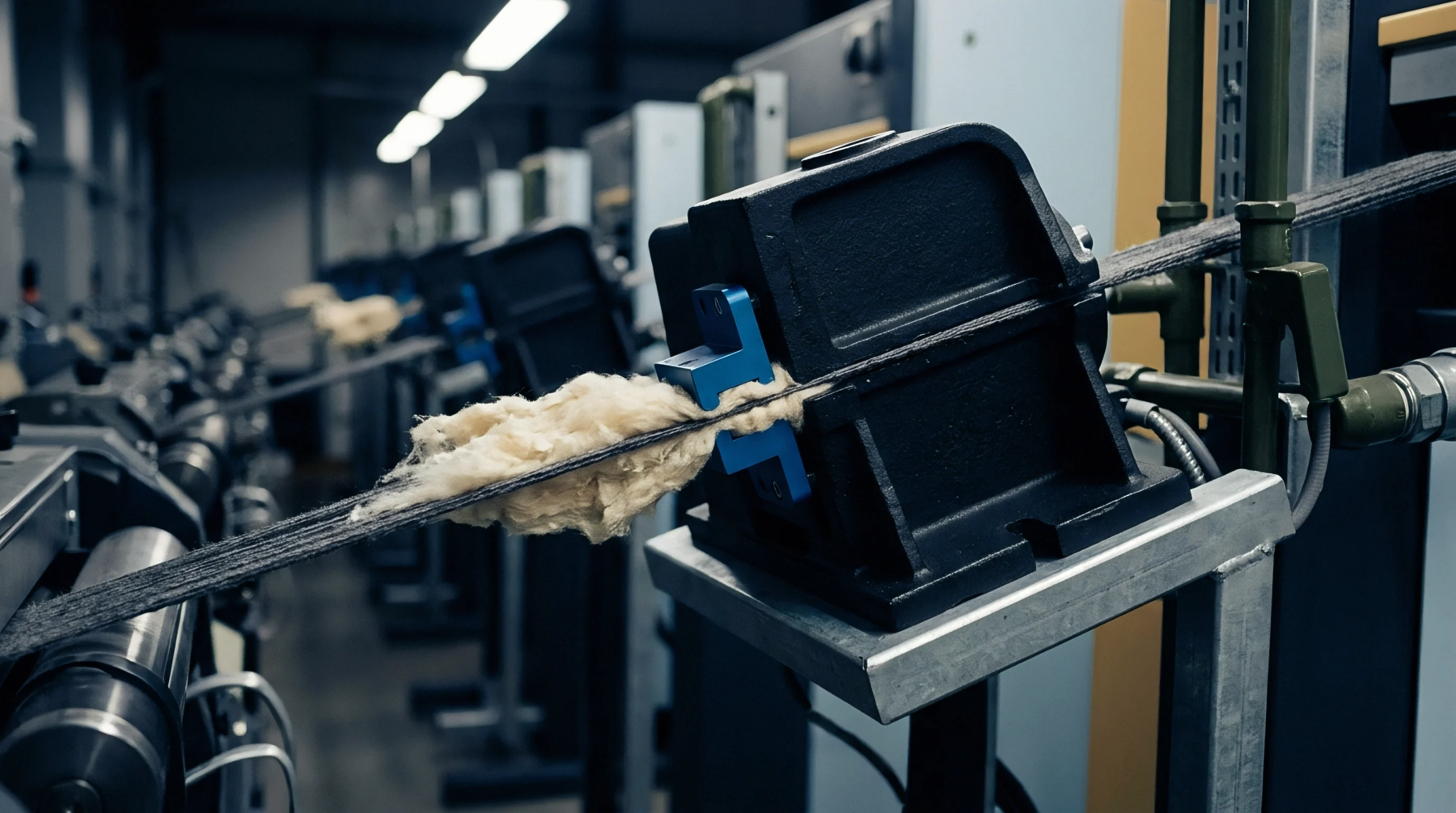
Production floors govern this attenuation setting by calculating surface speed differentials across paired metal rollers. Front delivery rollers rotate faster than back feed rollers, drawing the fibrous ribbon apart until individual staples slide past adjacent neighbours. High attenuation levels demand precise roller weighting to prevent uncontrolled fibre breakage within the drafted zone.
Operators adjust gear trains or digital servo drives on the draw frame head to alter surface speeds without changing the primary machine drive.
Drafting Limit
Excessive attenuation tears the continuous strand apart, creating thin spots that persist through spinning frames into the final yarn package. Short staple cotton tolerates different drafting boundaries than long staple wool due to natural length variations and surface friction coefficients. Technicians establish maximum attenuation ceilings by measuring sliver irregularity percentages on laboratory testing instruments.
Quality Verification
Laboratory technicians evaluate drafted sliver uniformity using capacitive unevenness testers that measure mass variations continuously along the strand length. Production managers compare recorded mass traces against target weight tolerances specified in customer supply contracts. Finished yarn tensile strength depends directly on how accurately the initial drawing process maintains mass constancy across every processed kilometer.