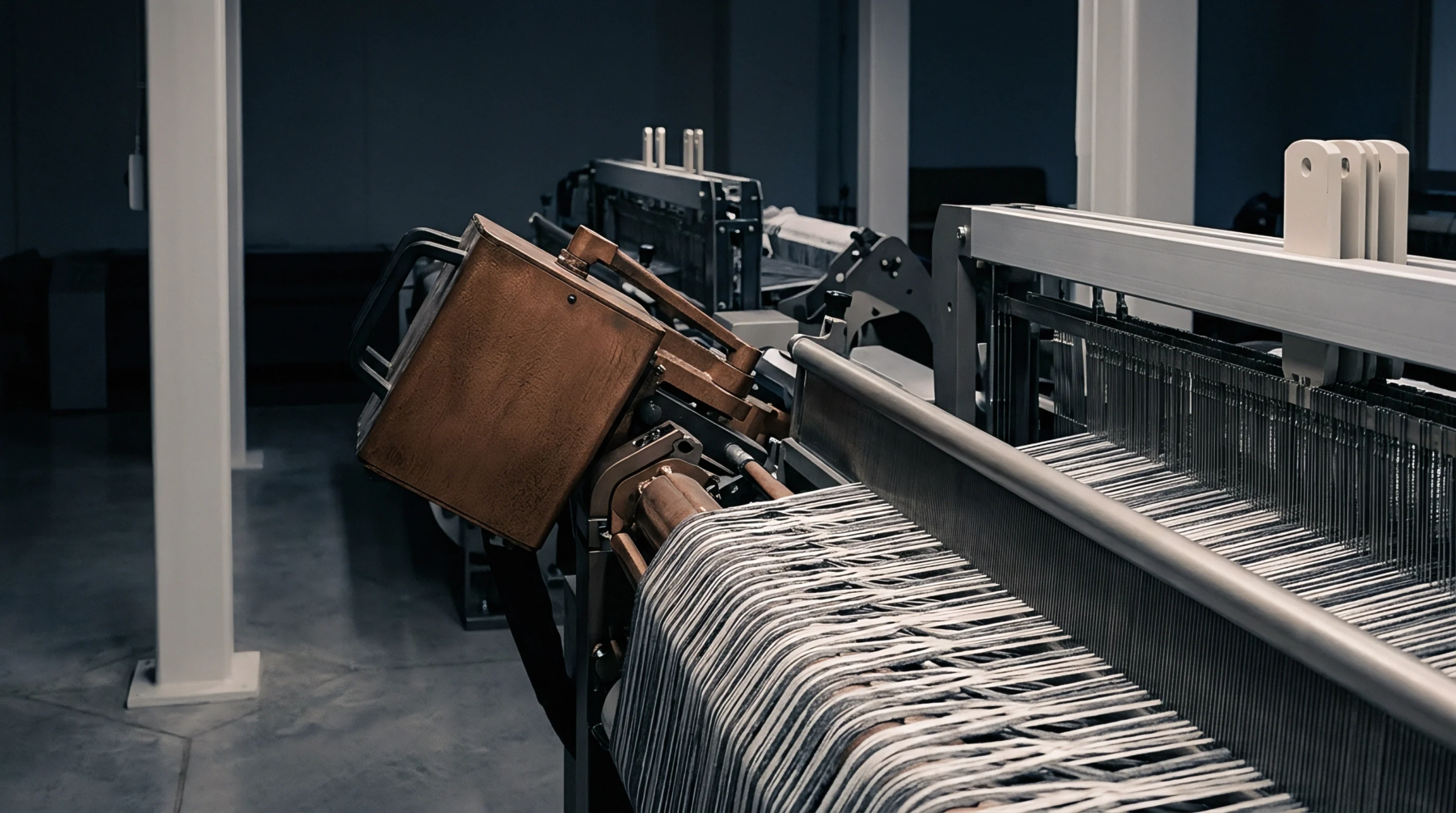
Drafting Uniformity
Fibre mass fluctuation defines this measurement within the short-staple spinning process. Sliver drafting variance quantifies the inconsistency in linear density along the length of a processed strand as it moves through the draw frame. Technical inspectors use this value to detect mechanical gear defects or roller slippage that degrade final yarn quality.
Calculated Deviation
Laboratories determine this specific metric by measuring the coefficient of variation in sliver weight per unit length. High values identify non-uniformity that causes thick and thin spots in later stages of production. Testing requires a consistent length of material passed through a capacitance sensor or mechanical weighing instrument.
Technicians compare observed readings against target specifications for the carded or combed stock.
Process Influence
Mechanical roller settings and fibre friction dictate the stability of the drafted strand. Improper pressure on the drafting rollers induces irregular movement in the fibre path. Excessive speed variations within the draw frame drive the index upward.
Stable output relies on precise alignment of the drafting elements to prevent periodic irregularities.
Quality Threshold
Downstream spinning performance relies on the predictability of the raw strand input. Yarn tenacity and appearance correlate directly with the level of mass regularity achieved before the final drafting stage. Excess variance beyond established tolerances renders the batch unsuitable for high-speed rotor spinning machines.
Consistent output maintains the structural integrity of the resulting textile product.