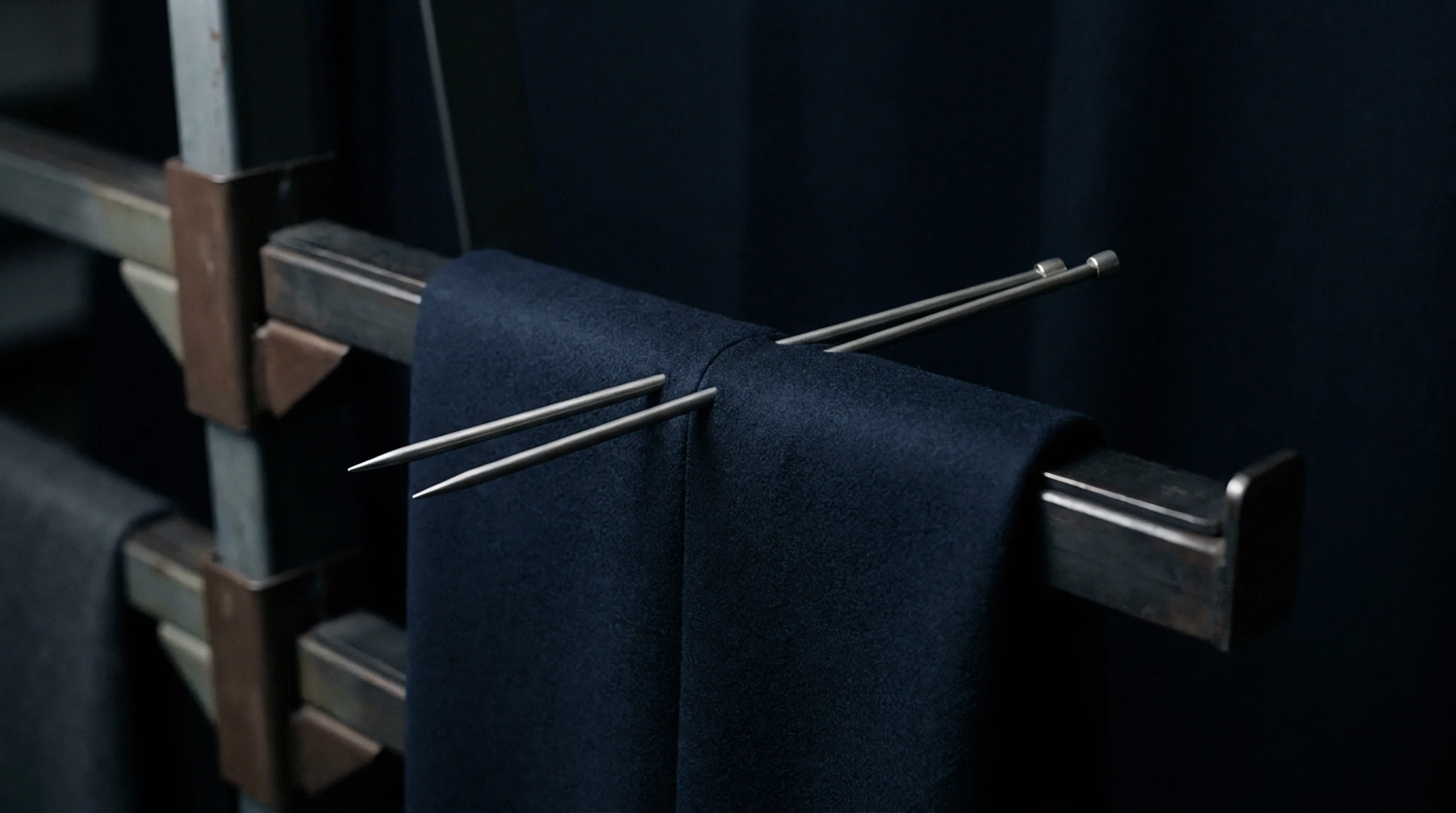
Sample Mapping
Geometric instructions define the exact locations on a fabric roll from which test specimens must be cut. Using specimen extraction coordinates ensures that the lab samples are representative of the entire width and length of the production lot. This prevents technicians from picking only the best-looking areas of the fabric for testing and ensures that potential edge-to-centre variations are captured.
Template Placement
The protocol usually requires samples to be taken at least ten centimetres away from the selvage to avoid distorted results from the edge tension. Specimen extraction coordinates often follow a diagonal pattern across the fabric web to sample different warp and weft yarns. This layout provides a more accurate picture of the overall strength and shrinkage properties of the material.
By standardizing where the pieces are cut, the mill ensures that the test results can be repeated and verified by external labs.
Orientation Marker
Every extracted piece must be marked with the grain direction to ensure it is placed correctly in the testing equipment. Testing a specimen at the wrong angle will lead to incorrect readings for tear strength or stretch.
Test Integrity
Accurate mapping of the extraction points is a requirement for many iso and astm standards to maintain the statistical validity of the data. Consistent sampling is the foundation of any reliable quality control program.