Polymer Crystal Expansion
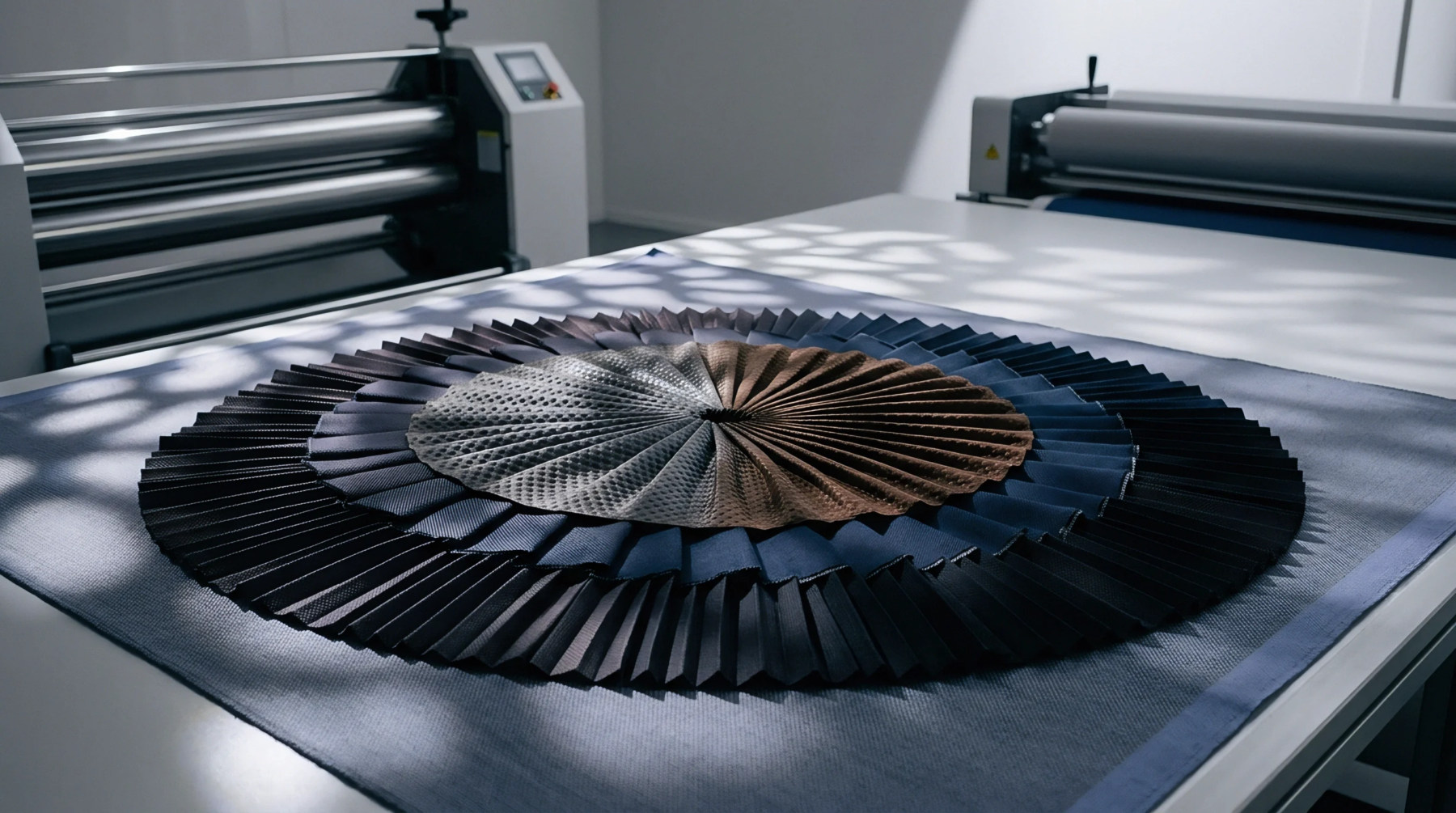
Microscopic analysis of polymer morphology identifies the boundary between amorphous and crystalline regions in a solid sample. Spherulite growth begins at a nucleation point and expands radially until the boundaries meet neighboring structures. These formations are composed of lamellar ribbons that fold and branch as they grow from the melt.
It is a fundamental process in the solidification of thermoplastic fibres.
Temperature Influence
The rate of cooling determines the size and density of the resulting spheres. Rapid cooling restricts spherulite growth, leading to a large number of very small crystals. Slower cooling allows for larger structures to form, which can make the plastic more brittle.
Material Performance
Larger crystalline structures often scatter light, which reduces the transparency of the film or fibre. During the extrusion of polyester, managing spherulite growth is necessary to ensure the desired clarity and strength of the yarn. If the crystals become too large, they create stress concentrations that can lead to premature failure under load.
The mechanical properties of the finished garment depend on the internal morphology created during the spinning and drawing stages.
Microscopic Verification
Polarized light microscopy is the standard tool for observing the Maltese cross patterns characteristic of these structures. Measuring the diameter of the spheres confirms whether the spherulite growth was controlled according to the production recipe.