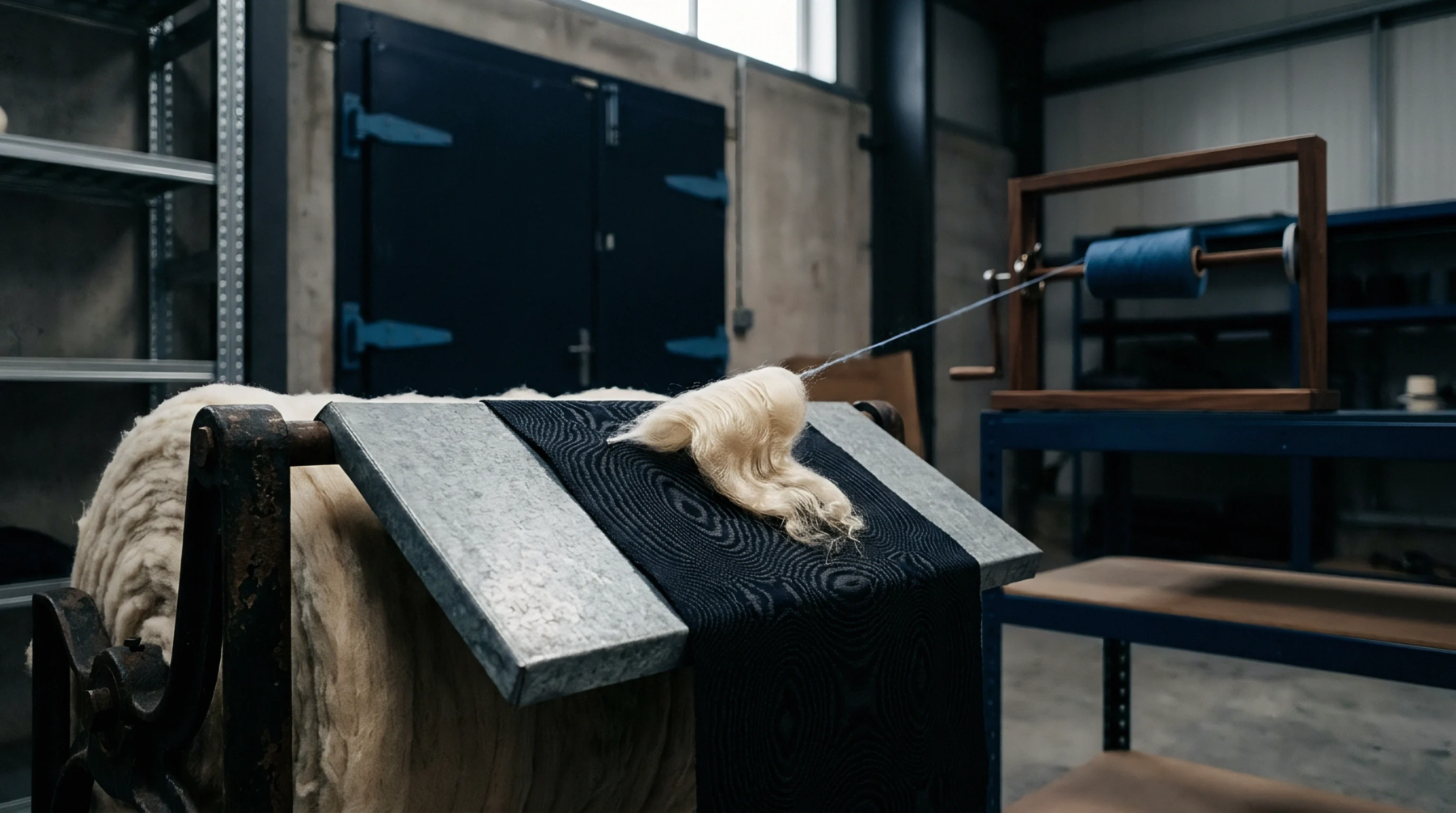
Mass Balance
Quantitative ratios comparing discarded fiber mass against total raw fiber intake measure the physical material losses incurred throughout industrial yarn conversion processes. In staple fiber yarn manufacturing, the spinning waste factor establishes the exact volume of unspinnable or recycled material generated between opening bale stock and winding finished yarn packages. Mechanical opening lines, carding engines, drawing frames, and ring spinning units continuously discard short fibers, seed fragments, dust, and tangled fiber clusters.
Production planners incorporate this empirical ratio into procurement models to ensure sufficient raw fiber purchases cover finished yarn delivery commitments.
Generation Point
Distinct processing stages generate characteristic forms of fiber waste based on the mechanical action applied to incoming fiber slivers. In the blowroom, pneumatic cleaning systems remove heavy sand and botanical trash, shedding two to four percent of gross input weight as low-grade droppings. Carding operations extract short, unaligned fibers via flat strips and licker-in drops to align remaining staples into clean card sliver.
Combing lines configured for fine worsted or combed cotton yarns intentionally purge fifteen to twenty percent of fiber mass as short noils to optimize staple length uniformity. Ring spinning frames and automated winders generate pneumatic suction waste and yarn off-cuts from broken ends during package transfers.
Financial Calculation
Material loss directly inflates the net raw material cost per kilogram of commercial yarn produced on the factory floor. When spinning mills purchase raw wool, cashmere, or premium cotton, the spinning waste factor determines the true financial markup applied over raw bale invoice prices. High waste generation during carding or combing escalates energy and labor expenses per kilogram of finished yarn output.
Efficient production managers calculate net material yield after offsetting the salvage value recovered from selling reusable waste back to insulation or rotor spinning processors.
Waste Classification
Mills segregate discarded fibers into clean soft waste and contaminated hard waste to preserve recovery value. Soft carding strips and roving scraps return directly to opening lines for blending, whereas heavily sized yarns and sweepings enter industrial downcycling streams.