Fabric Alignment
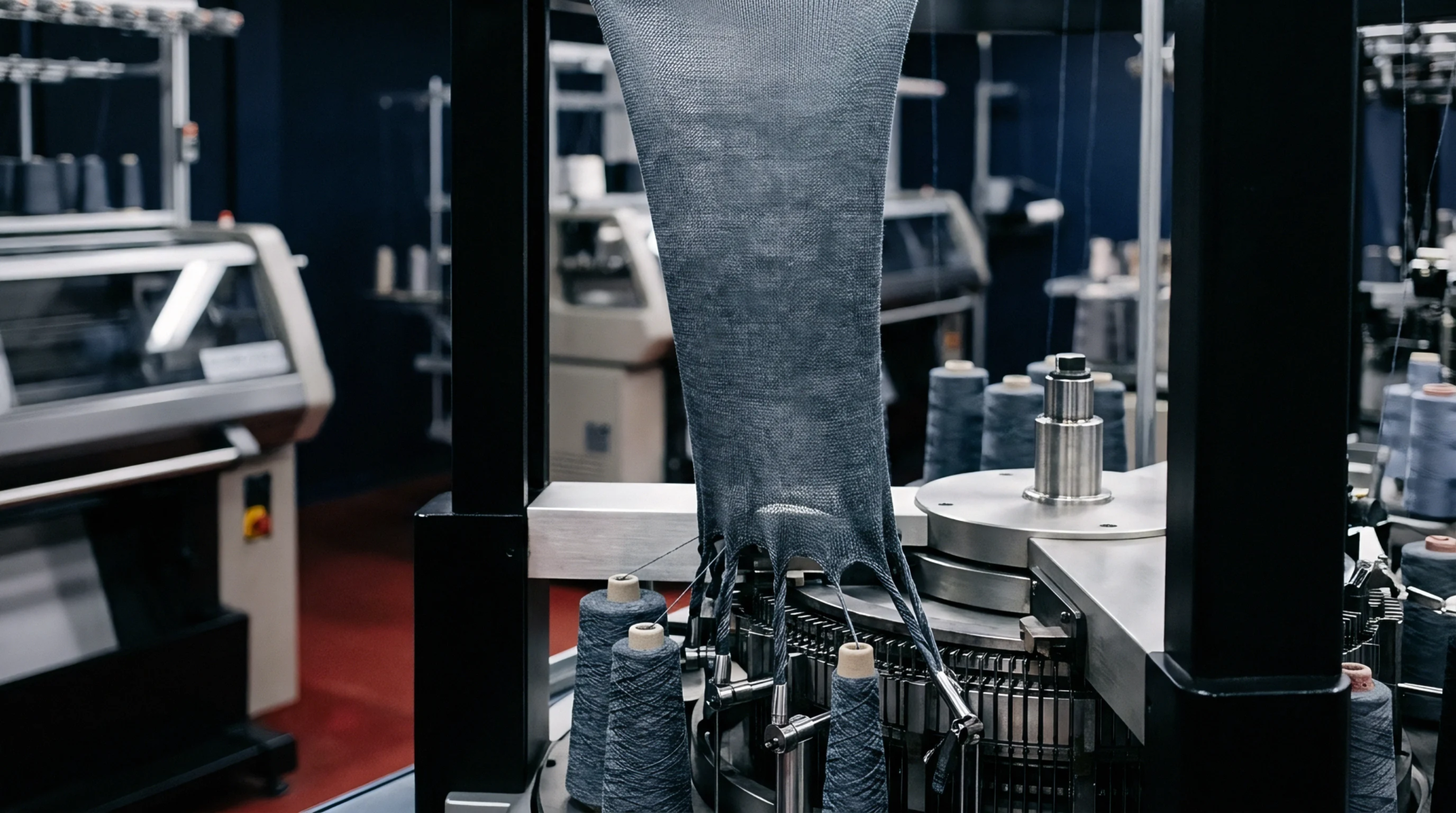
Rotational distortion in circular knit structures occurs when loops migrate from a perpendicular axis during finishing processes. Spirality control limits this diagonal skew by mechanical adjustment of stenter clips or chemical resin application to lock the fiber geometry. Excessive torque shifts the vertical wales into a curved path, which degrades the garment construction and ruins pattern matching during assembly.
Mechanical Tension
Overfeeding the fabric into drying equipment compensates for the natural urge of the knit to recoil toward its relaxed state. Engineers apply specific ratios of input speed against conveyor speed to dampen the internal forces responsible for structural bias. If the yarn tension remains uneven during the knitting cycle, subsequent thermal treatments often lock in permanent deformation that standard setting methods fail to correct.
Dyeing Interaction
High temperature liquid immersion often exacerbates existing stresses in synthetic filaments before the fabric reaches the drying stage. Proper spirality control mandates consistent cooling rates after the heat setting cycle to prevent the fiber from regaining a skewed configuration. Sudden exposure to cold air while the polymer chains remain pliable creates a thermal shock that pulls the fabric architecture into an irreversible diagonal slant.
Tolerance Limits
Standard industry benchmarks allow a three percent deviation in wale alignment for most circular knit apparel. Exceeding this boundary renders the final product unsuitable for automated cutting tables or high precision garment assembly. Precise calibration of the exit rollers at the finishing stage ensures that the finished cloth remains square enough for industrial production requirements.