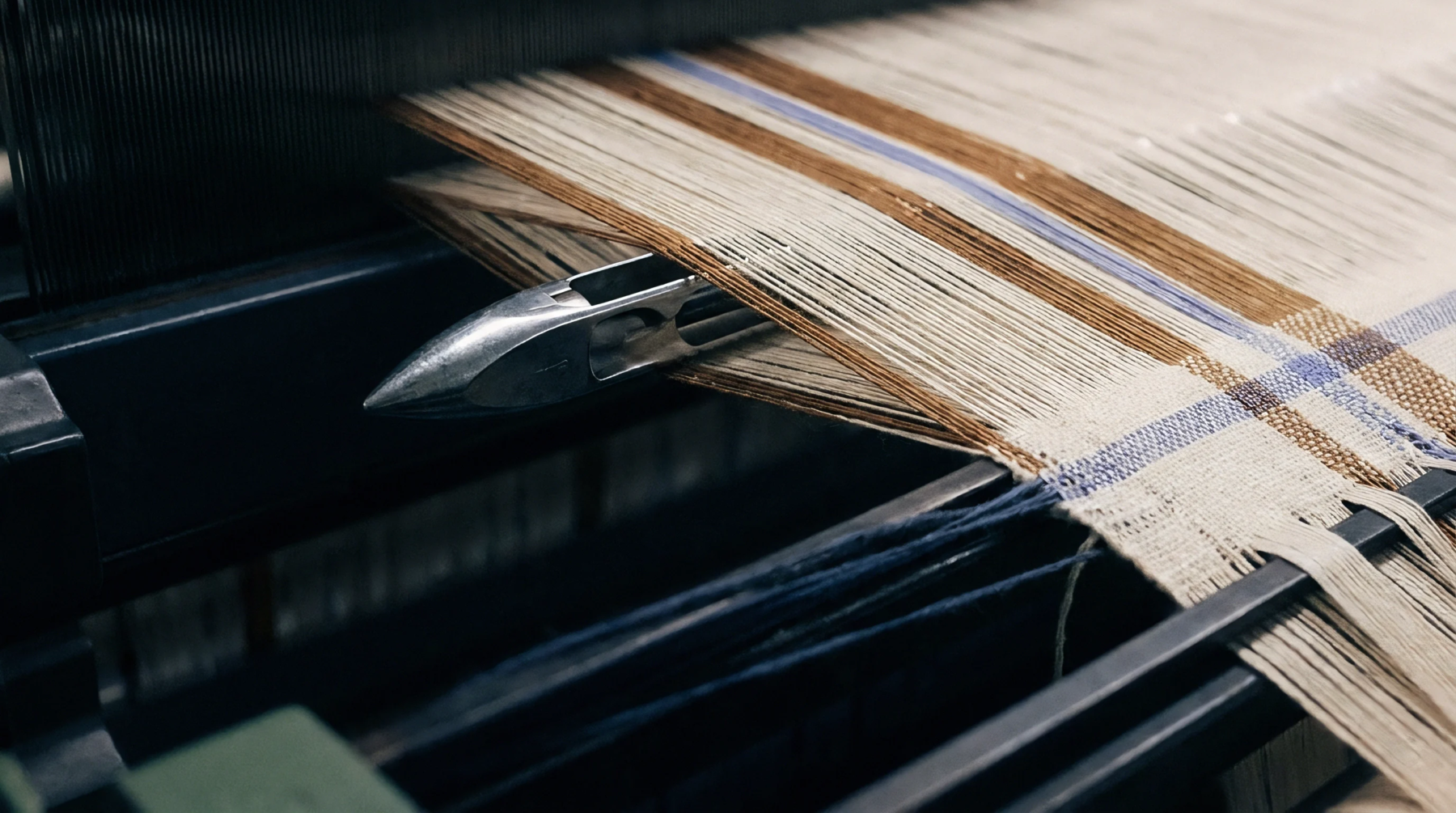
Dimensional Recovery
Mechanical settings inside the finishing frame permit the fabric to feed faster into the machine than the pins or clips pull it forward. Applying a stenter overfeed allowance allows the woven structure to relax in the presence of heat so that shrinkage is built into the roll before it reaches the customer. This process helps establish the final weight per square metre and ensures the fabric stays stable during future home laundering.
Because wet processing stretches the cloth lengthwise, the allowance is used to put that length back into the loops or weaves of the material. Technicians verify these percentages to match the quality standards specified in the order book. Correct settings create a material that hangs well and holds its shape in high end apparel.
Process Setting
Operators monitor the ratio between the entry speed and the take up speed to ensure precise control over the longitudinal density. If the stenter overfeed allowance is zero, the fabric may remain under high tension and shrink later at a rate that causes garment sizing errors. Common settings typically range between two and ten percent depending on the specific construction of the cloth.
High percentages create a fuller handle while low settings produce a flat thin appearance. The heat in the stenter chambers sets the fibres in their new compact positions as they travel across the chains. Mill managers check these settings hourly to ensure consistent roll quality across a thousand meter batch.
Consistent feed rates prevent wavy selvedges or uneven surface tension.
Quality Balance
Measurement involves checking the distance between markers placed on the cloth before it enters the heated zone. While stenter overfeed allowance works on the longitudinal axis, it often results in slight width expansions as well because the yarns reposition themselves. The limit for this setting is defined by the point where the fabric begins to ripple or bow inside the machine because it has nowhere else to go.
Weaving mills look at historical performance data to find the best settings for each blend of cotton or synthetic fibre. If the fabric is too loose on the pins, it may fall off and cause machine clogs. Buyers check the resulting stability by performing their own shrinkage tests on bulk shipments.
High quality finishes rely on finding the specific balance for each yarn type.
Operational Check
Data logs from the stenter track the overfeed relative to the oven temperature to show the thermal history of the material. Although stenter overfeed allowance is a production setting, its success determines the market value of the finished textile. The process stops when the fabric is cooled at the machine exit and wound into a final shipping role.
If settings drift during the shift, the weight of the fabric will fluctuate from roll to roll. Accuracy here supports the manufacture of high volume garments where pattern size is fixed and zero tolerance for error exists. Correct feed rates ensure the cloth meets all commercial checkpoints for high precision textile manufacturing.