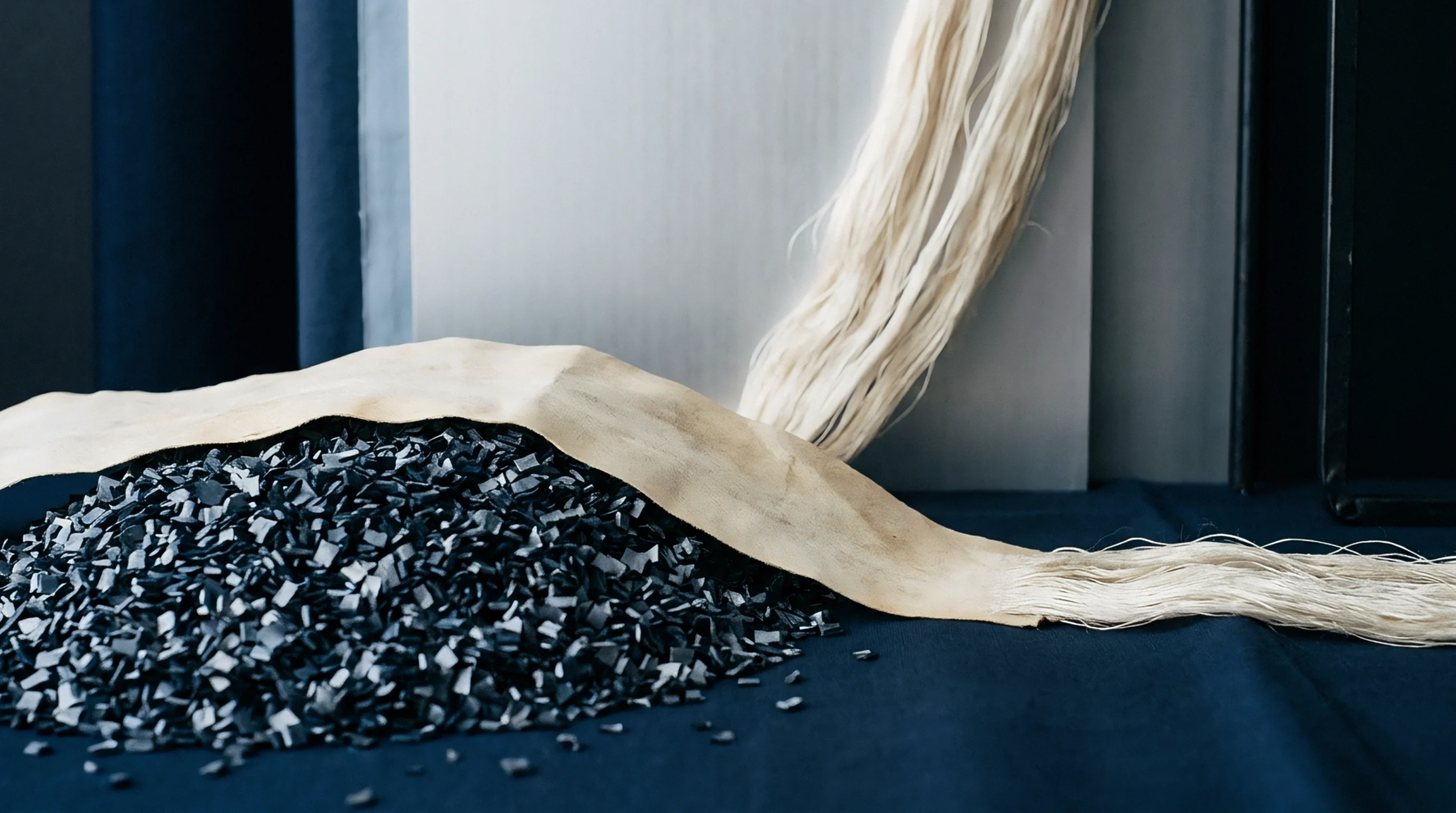
Fabric Construction
A durable textile featuring a diagonal rib pattern and an elastic component provides both physical strength and wearer comfort. In stretch woven twill, the addition of elastane yarns in the weft allows the fabric to expand and then recover its shape. The fabric remains a staple of the casual trouser and workwear markets due to its balance of utility and flexibility.
Structural Detail
The twill weave creates a dense, heavy-duty surface that resists tearing and abrasion. Incorporating elastic fibers into this traditional structure results in a stretch woven twill that accommodates movement without the permanent bagging associated with pure cotton. Heat setting during the finishing process is required to stabilize the width and the stretch percentage.
Performance Characteristic
Typical stretch levels range from fifteen to thirty percent depending on the garment’s end use. Garment manufacturers must account for the shrinkage of stretch woven twill during the laundry process, as the elastic fibers tend to contract. High-quality versions use core-spun yarns where the elastomer is hidden inside a cotton or polyester sheath.
Retail Utility
The fabric’s ability to maintain a sharp appearance while offering comfort makes it a preferred choice for slim-fit designs. It remains one of the most commercially successful fabric types in modern apparel.