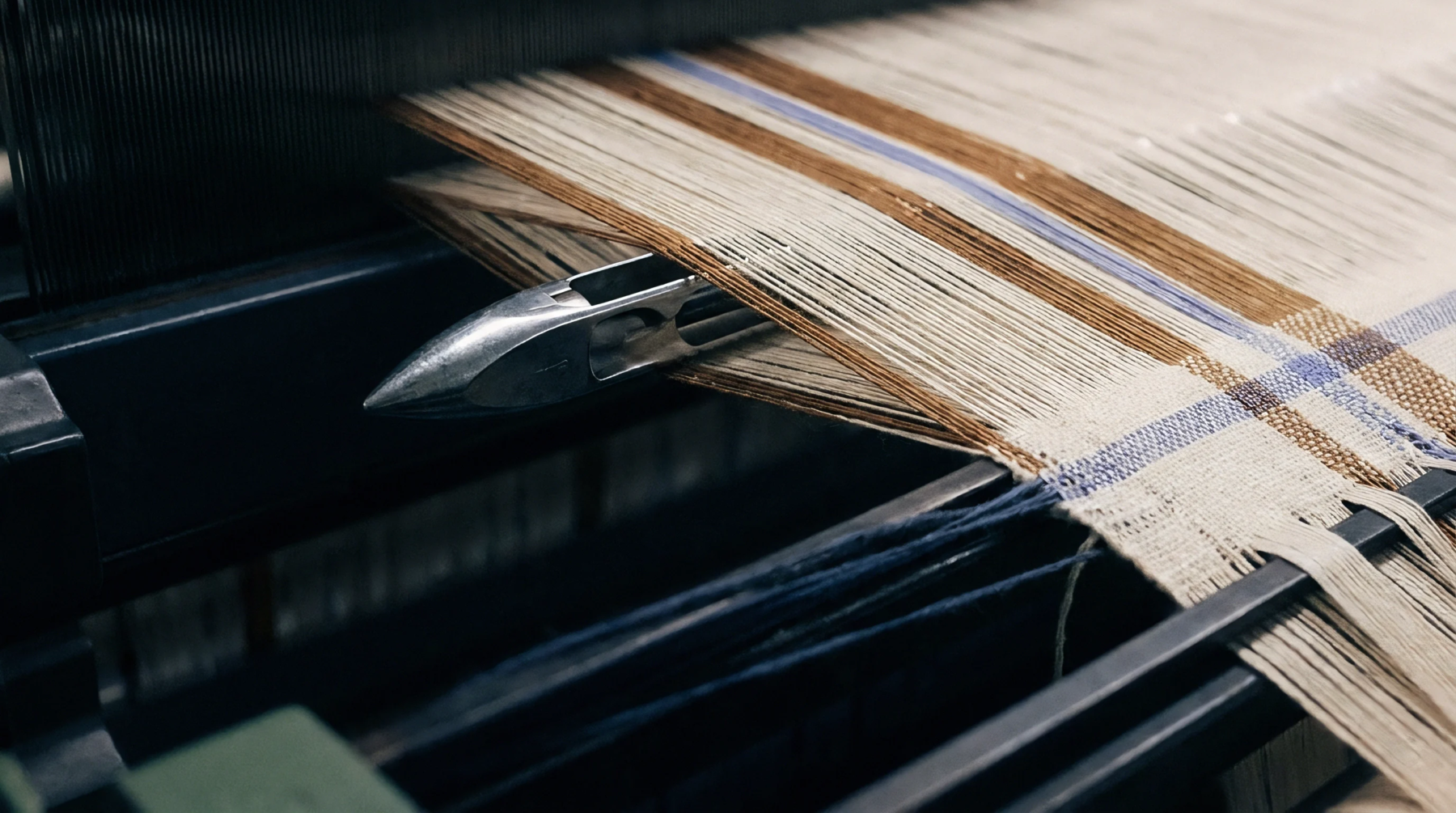
Dimensional Expansion
Moisture absorption within high-density textile constructions generates internal volume increases that shift the physical layout of individual fibre filaments. Structural yarn swelling occurs when liquid or vapor intake forces the lateral displacement of filaments, altering the path length of the component and imposing mechanical tension on the surrounding weave or knit pattern. This volumetric adjustment typically happens during the wet processing phase of manufacturing or upon exposure to high humidity environments.
Operators verify the degree of displacement by measuring the change in cross-sectional diameter between dry and saturated states using optical projection techniques or gravimetric analysis of saturated loops.
Internal Geometry
Increased girth in the filament bundle forces a reduction in the available porosity of the finished good. A dense fabric structure encounters higher resistance to this expansion because the intersection points of the interlacing elements lock the geometry into a fixed position. Tension builds between the cross-over points until the fabric distorts its original shape or creates unwanted puckering on the surface.
Mills monitor this behaviour during the finishing stage to ensure that dyeing agents penetrate the interior of the bundle before the volume change locks the pores shut. A failure to account for this physical limit during the design stage results in severe dimensional instability that prevents the final garment from meeting specified tolerances.
Load Distribution
External pressure applied during the finishing process acts against the expansion force to control the final dimensions of the textile. Calendaring or pressurized setting equipment flattens the profile of the yarn, which reduces the potential for rapid diameter growth during later consumer use. Fabric stability improves when the moisture intake profile matches the intended usage environment of the soft good.
Technicians adjust the feed rate into the finishing machine to compensate for the anticipated thickness increase that occurs when fibres encounter liquid treatments. Control of the heating duration and the temperature levels prevents the premature immobilization of the structure, allowing the material to adjust without internal breakage of the filaments. Proper thermal setting preserves the mechanical integrity of the base material by preventing excessive strain at the contact points.
Material Response
Polymer density dictates the rate and total extent of the swelling observed in technical textiles. Synthetic fibres with low moisture regain exhibit minimal volume changes when submerged, whereas natural cellulose fibres experience substantial diameter shifts during the transition from dry to wet conditions. Manufacturers rely on this predictable reaction to create water-repellent performance fabrics where the tightening of the structure blocks the passage of liquid droplets.
Excessive swelling destroys the aesthetic qualities of delicate weaves by causing permanent surface irregularities. Controlled intake of moisture allows the engineer to lock in specific fabric densities that endure repeated laundry cycles without loss of structural consistency.