Material Impurity
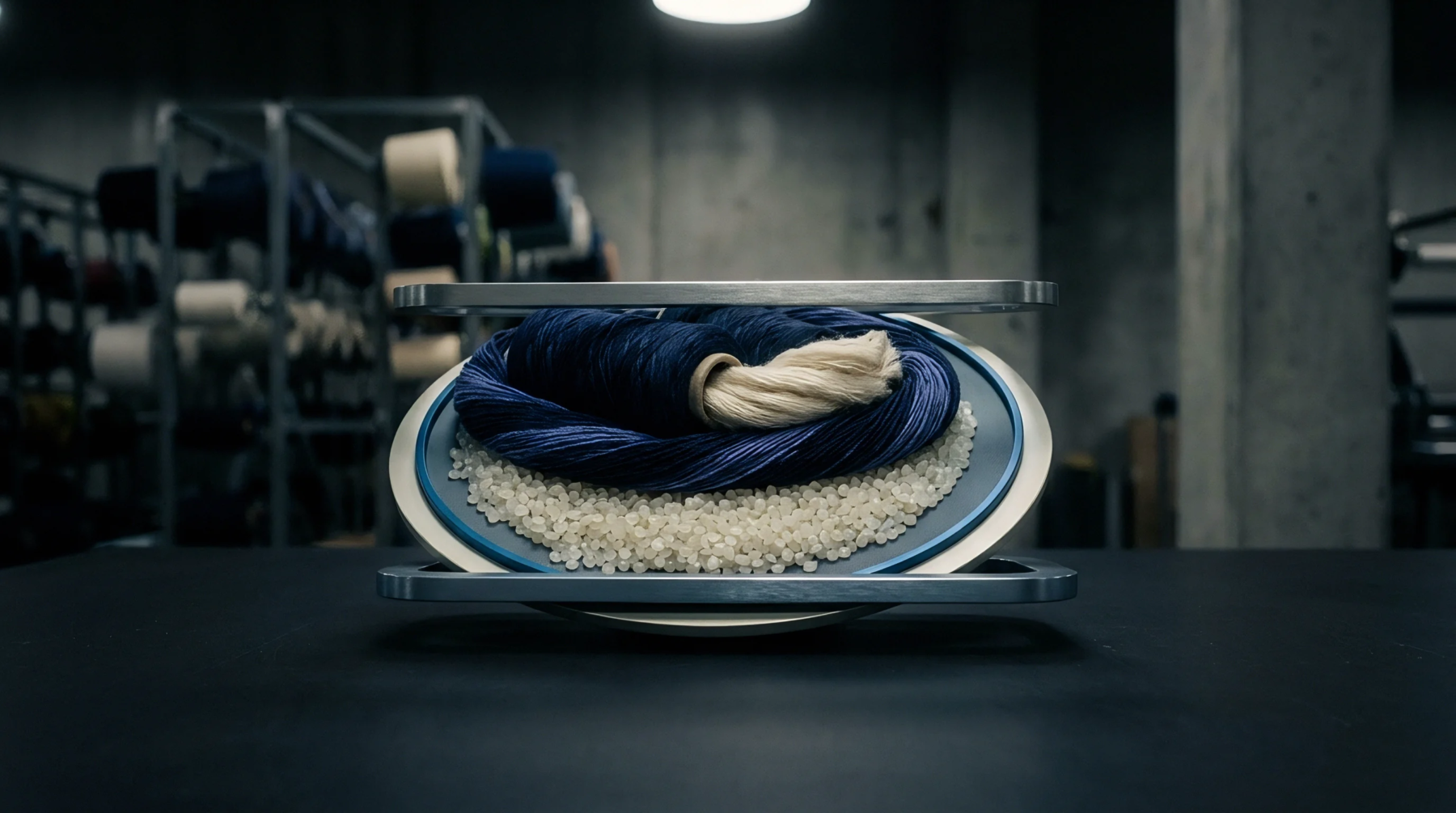
Foreign material defect involves the presence of plastic fragments or non organic fibres within a batch of natural cotton which leads to dyeing failures and structural weaknesses. Occurrence of synthetic polymer contamination is a major concern for spinning mills that process high quality apparel yarns. These impurities often enter the supply chain from the polypropylene bags used for harvesting or the plastic twine used for baling.
Once these materials are mixed with the raw cotton, they are difficult to remove using standard cleaning machinery. During the spinning process, the plastic fragments are broken into smaller pieces and spun directly into the yarn. These particles do not absorb cotton dyes, resulting in white specks or uncoloured spots in the finished fabric.
Dyeing Obstruction
Chemical differences between the natural cellulose and the synthetic plastic prevent the uniform application of color during the wet processing stage. Synthetic polymer contamination becomes visible only after the fabric has been dyed and finished. Because polyester or polypropylene requires different dye types and temperatures than cotton, the foreign particles remain their original color.
This creates a speckled appearance that is usually unacceptable for premium garments. In some cases, the plastic may even melt during high temperature drying or ironing, causing it to stick to the machinery or other parts of the fabric. This leads to permanent damage and high rejection rates in the garment factory.
Quality inspectors must use ultraviolet light or manual sorting to find these contaminants before they reach the dye house.
Structural Weakness
Bonding between the natural fibres is disrupted by the presence of non fibrous plastic pieces, which reduces the overall tensile strength of the yarn. Synthetic polymer contamination can cause a significant increase in yarn breakages during the high speed weaving or knitting process. These interruptions lower the efficiency of the factory and can lead to structural holes in the material.
The plastic fragments do not have the same twisting properties as cotton, so they create weak points in the yarn. If a piece of contamination is large enough, it can cause a needle break on a knitting machine. This results in costly repairs and lost production time.
Manufacturers must invest in advanced vision systems that can detect and eject these foreign materials in the blowroom.
Detection Method
Advanced optical sensors and acoustic cleaners are used in modern textile mills to identify and remove plastic impurities from the raw fibre stream. Strategy for managing synthetic polymer contamination involves multiple stages of inspection. At the beginning of the process, automated cameras scan the tufts of cotton for any color or texture that does not match the natural fibre.
Specialized sensors can also detect the unique reflection patterns of synthetic plastics. When an impurity is found, a high pressure air jet blows the contaminated tuft into a waste collection bin. While these systems are effective, they cannot catch every single piece of plastic.
Therefore, mills often work with their suppliers to improve the quality of the harvesting and baling processes. Eliminating the source of the problem is the best way to ensure a clean final product.