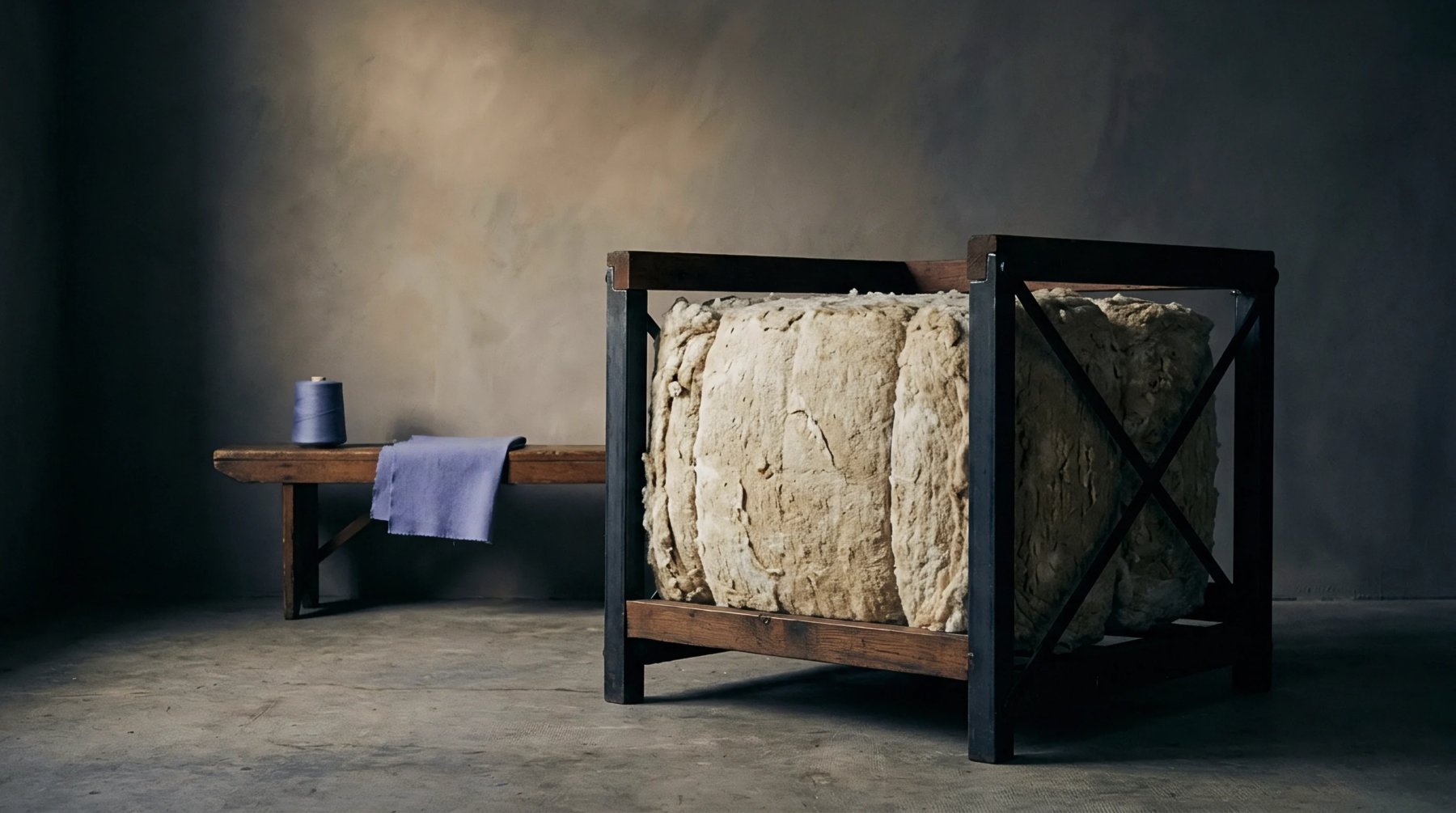
Mass Standardization
Laboratory equipment validation requires the systematic removal of container weight to isolate the net mass of textile materials. Tare mass calibration establishes the zero point for analytical balances or industrial scales by accounting for the specific weight of specimen holders, cones, or protective packaging. Accuracy in this procedure prevents systematic errors during the determination of fibre moisture regain or the assessment of fabric weight per square metre.
Verification Protocol
Technicians perform this adjustment by placing the empty weighing vessel onto the load receptor before the material enters the pan. Electronic sensors record this initial value and subtract it from subsequent readings to output the net value directly. Manual systems require the recording of the vessel weight to be deducted mathematically from the gross load detected during fibre testing.
Measurement Sensitivity
High precision load cells detect minute variances in atmospheric conditions that act upon the container itself. Condensation on a plastic cone or residual finish oils on a metal bobbin alters the baseline weight after an initial zeroing operation. Frequent validation of the tare value ensures that the reported mass of a textile batch remains independent of the storage environment or the auxiliary hardware used during the weighing phase.
Industry Impact
Production facilities rely on this practice to maintain consistent yields when calculating the total mass of shipped raw materials. Variations in the weight of pallets or shipping containers create discrepancies that lead to disputes between buyers and suppliers regarding the net weight of high value synthetic filaments. Consistent application of these protocols during the transition from mill floor to quality audit provides the necessary proof for commercial settlement.