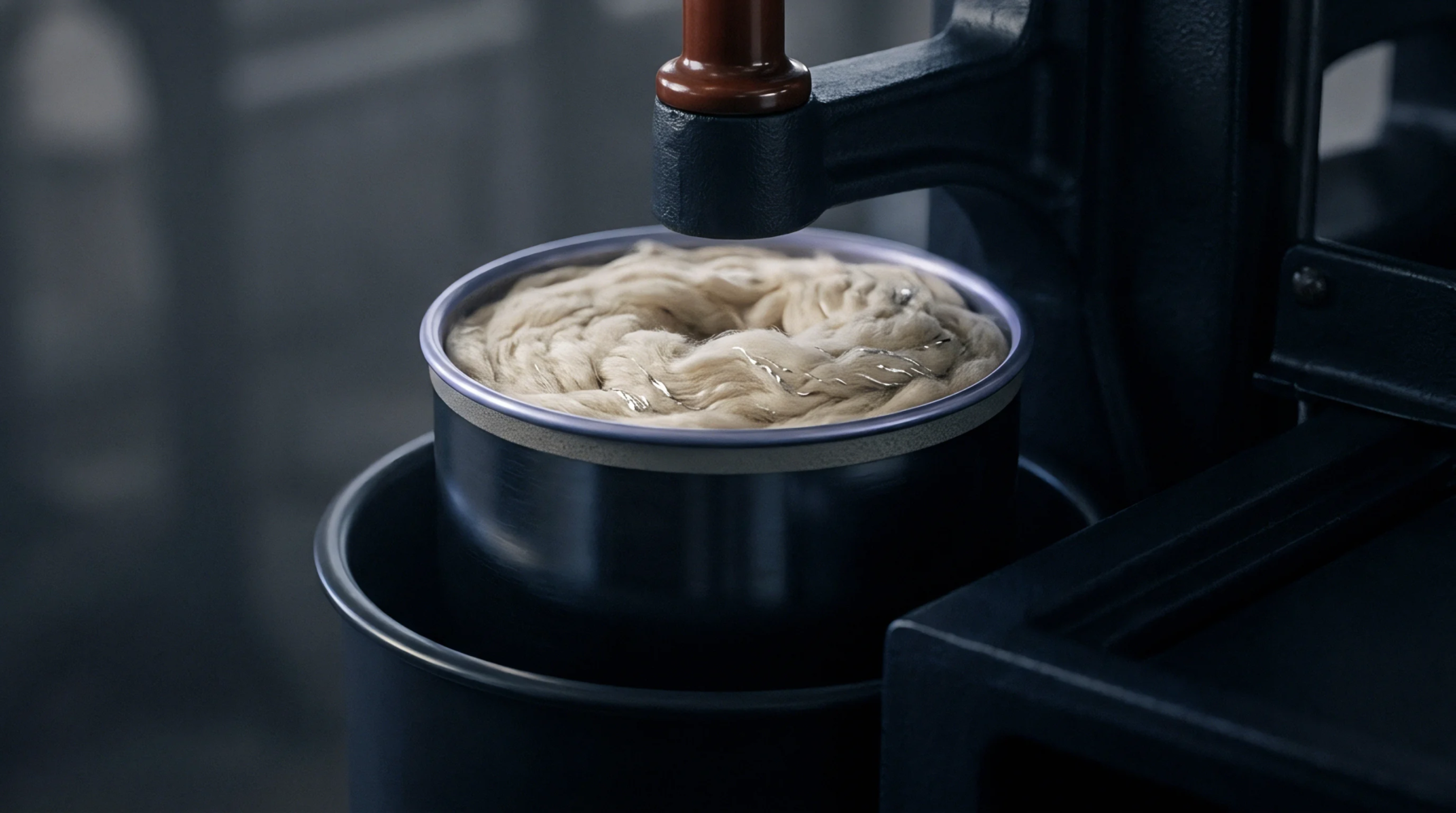
Triple Component Mixture
The combination of three distinct types of staple fibres into a single yarn allows for the precise engineering of cost, comfort, durability and luster. A ternary staple blend often utilizes a natural fibre for hand feel, a synthetic for strength and a third component for moisture management or luster. This approach is more complex than binary blending because it requires careful calibration of the opening and cleaning lines to ensure a homogenous mix.
Economic Balance
Manufacturers use this technique to mitigate the price volatility of raw materials like cotton or wool. By creating a ternary staple blend with polyester and viscose, a mill can maintain a stable price point while achieving the specific physical properties required by the buyer. The proportions are adjusted based on the end use, such as fifty percent cotton and fifty percent synthetic components.
Dyeing Complexity
Each fibre type in the mix responds differently to chemical dyes and temperatures. Processing a ternary staple blend requires either a one bath dyeing method with multiple dye classes or a multi-stage process to ensure the color is uniform across all components. This complexity increases the risk of shade variation if the blending at the start of the line was not perfect.
Functional Synergy
Functional synergies between the three materials can produce benefits that no single fibre provides alone. A ternary staple blend might combine the breathability of linen with the wrinkle resistance of polyester, the softness of modal and the durability of nylon.