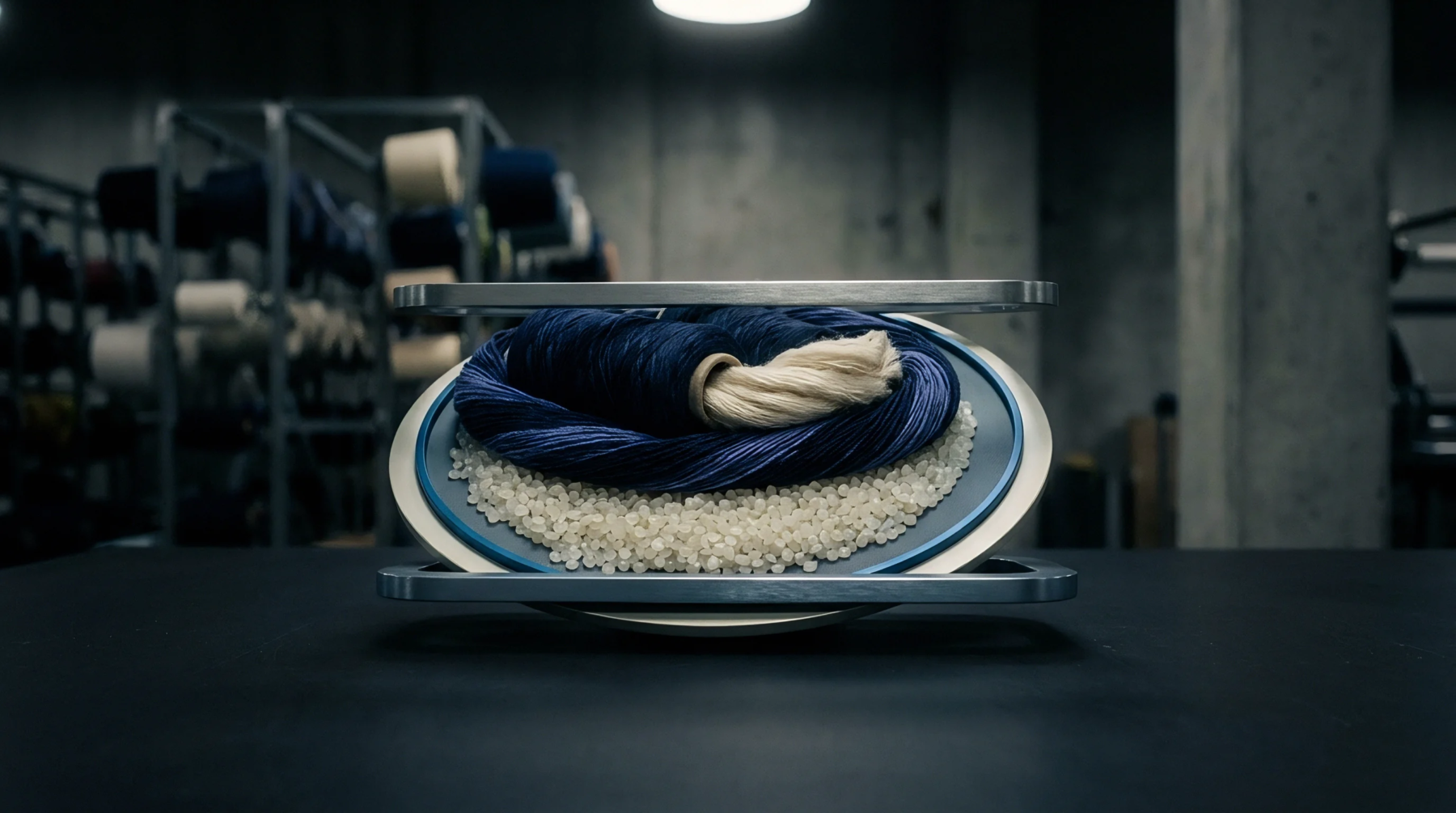
Material Transformation
Industrial processing networks transform raw, unfinished greige fabrics into finished, consumer-ready textiles through dyeing, printing and chemical finishing. The commercial practice of textile converting acts as the link between raw material weaving and final apparel manufacturing. It covers the chemical and mechanical treatments that determine the final hand, color and performance of the fabric.
Value Addition
Unfinished cotton is purchased from mills and sent to specialized finishing houses where it is bleached and treated. This process of textile converting adds value to the basic woven substrate by turning a stiff, off-white material into a soft, water-repellent or wrinkle-free product.
Supply Chain
Converters must coordinate with yarn spinners, weavers and chemical suppliers to meet the delivery timelines of the retail brands. They manage the inventory risks of holding untreated stock and finished goods.
Quality Verification
Final inspections are carried out on every batch to ensure that the fabric meets the specific requirements of the garment manufacturers. If the color or the tensile strength of the converted fabric falls below the agreed standard, the lot must be reprocessed or rejected. This rigorous quality checkpoint is essential to maintain the trust of apparel brands and prevent product failures in retail stores.