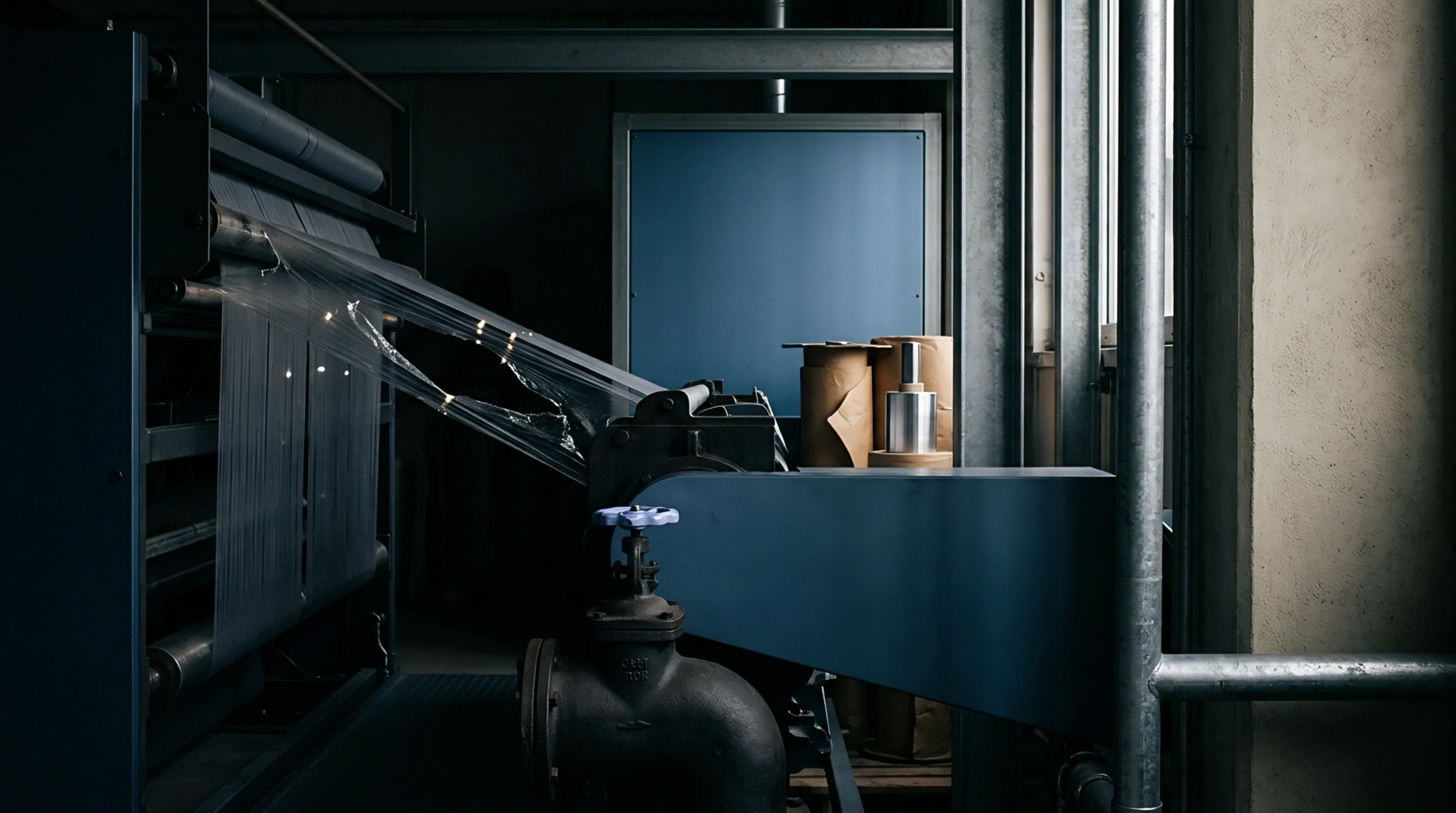
Linear Finisher
High-precision linear pin strips located between comber nipper jaws and detaching rollers perform finishing comb operations on trailing fibre ends. Cotton and worsted combing machinery relies on cyclic interactions between revolving cylinders and stationary combs. As the circular comb finishes cleaning the leading head of a fibre tuft, the top comb drops down into the beard immediately ahead of the detaching nip.
Detaching rollers then draw the tuft forward through the fine needle row, which holds back uncombed trailing hooks, loose neps and short fibres. The boundary of its physical action applies exclusively to trailing fibre segments during detaching draft, performing no work on the leading ends already cleared by the cylinder comb.
Needle Architecture
Top comb blades consist of a steel support strip holding a single row of flat or round needles soldered closely together. Needle density ranges from twenty-six to thirty-two pins per centimetre for fine cotton spinning, and up to thirty-six pins for specialized micro-staple combing. Flat needle cross sections maximize the open area between pins, allowing smooth fibre passage while resisting bending forces from dense laps.
Hardened alloy steels prevent needle deflection under high-speed operation, which reaches up to five hundred nips per minute on modern comber heads. Damaged, bent or clogged pins create clear vertical channels that let uncombed neps and short fibre clusters pass straight into the combed sliver.
Penetration Settings
Comb efficiency depends on precise penetration depth and mechanical positioning relative to the detaching point. Machine setters adjust the comb bar height using fine screw micrometres to control how deeply the pin tips dip into the fibrous web. Penetration set too deep causes excessive resistance, pulling long spinnable fibres down into the noil waste stream and degrading overall spinning yield.
Insufficient penetration lets the trailing tuft float across the top of the needles, leaving short hooked fibres intact in the combed web. Angle settings typically tilt the needle points slightly forward toward the detaching rollers to prevent tuft lift-out during forward drafting.
Mechanical Maintenance
Combing quality audits track sliver evenness and nep counts to detect failing top comb strips across multiple machine heads. Lint accumulation and cotton wax residue require routine cleaning using pressurized air streams, solvents or automated brush motions. Pin damage caused by foreign metallic matter in incoming laps requires immediate comb bar replacement, as a single broken needle shifts local sliver count and introduces periodic yarn mass variations.
Technicians verify parallel alignment between the comb bar and the lower fluted detaching roller using feeler gauges across the entire head width during periodic overhaul cycles.