Control Optimization
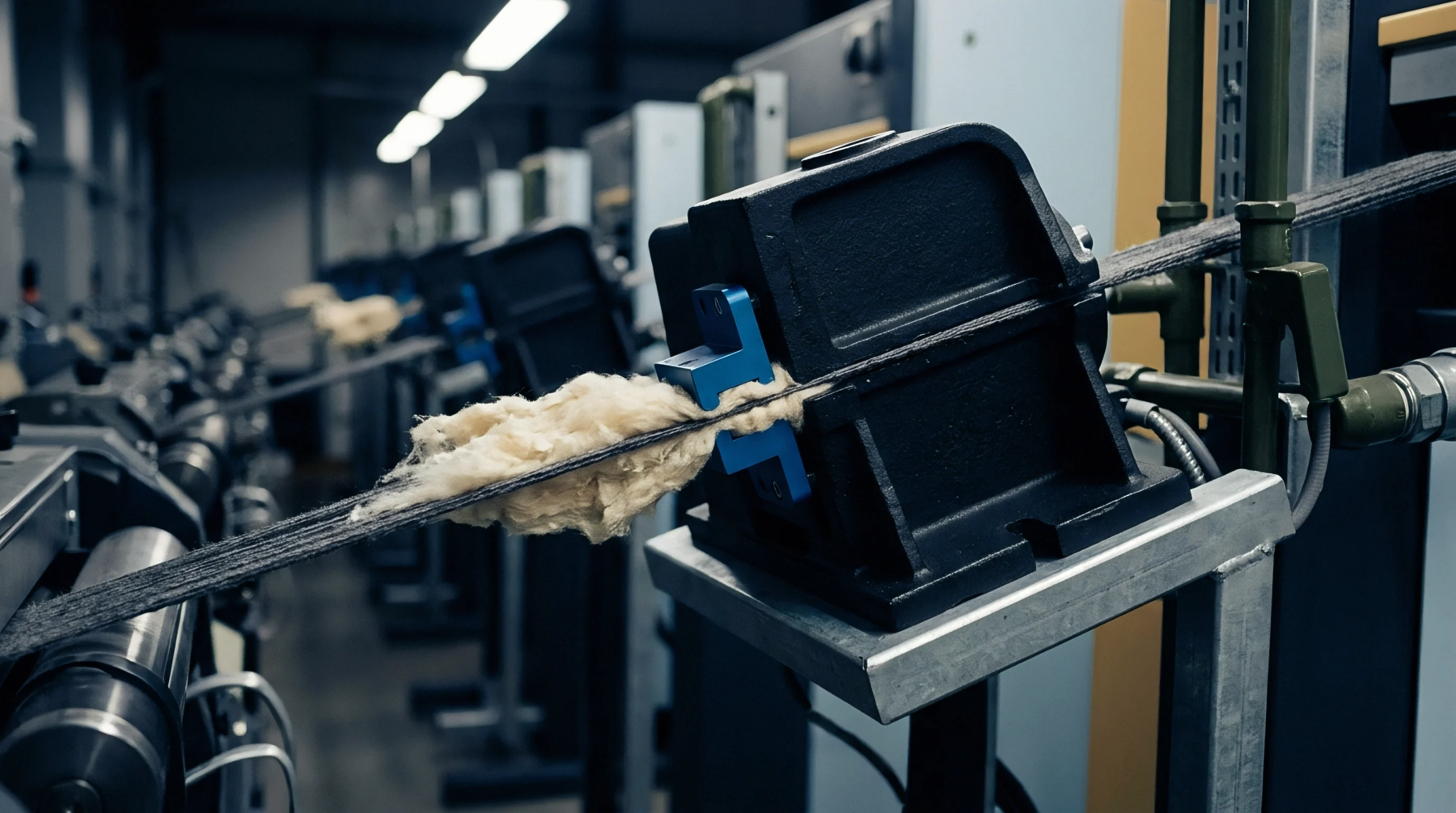
The adjustment of internal control parameters in an AC motor controller aligns the output voltage and frequency with the dynamic load requirements of the driven machine. The variable frequency drive tuning determines how quickly and smoothly the electric motors on fabric winding and tensioning rolls respond to changes in load. This optimization is carried out during commission and after any major changes to the mechanical drive train.
System Response
The process involves setting the proportional, integral and derivative gains of the speed and current control loops. During variable frequency drive tuning, technicians run test cycles to measure the response of the motor to step changes in speed. A properly tuned drive minimizes overshoot and oscillation, ensuring that the fabric tension remains stable during acceleration and deceleration.
This prevents the fabric from slipping on the rollers or experiencing sudden tension spikes.
Energy Efficiency
An optimized motor control loop reduces the amount of electrical energy wasted as heat and mechanical vibration during operation. Through accurate variable frequency drive tuning, the motor consumes only the power required to maintain the set speed under varying load conditions. This control is particularly effective on large pump and fan motors used in dyehouses and drying ovens.
The reduction in energy consumption lowers the carbon footprint of the textile finishing plant.
Operational Constraint
The physical limits of the motor and the driven load restrict the range of tuning parameters that can be safely applied. Excessive gain settings can cause mechanical resonance and motor instability, which can damage couplings and bearings. The tuning must therefore balance speed of response against mechanical stress.