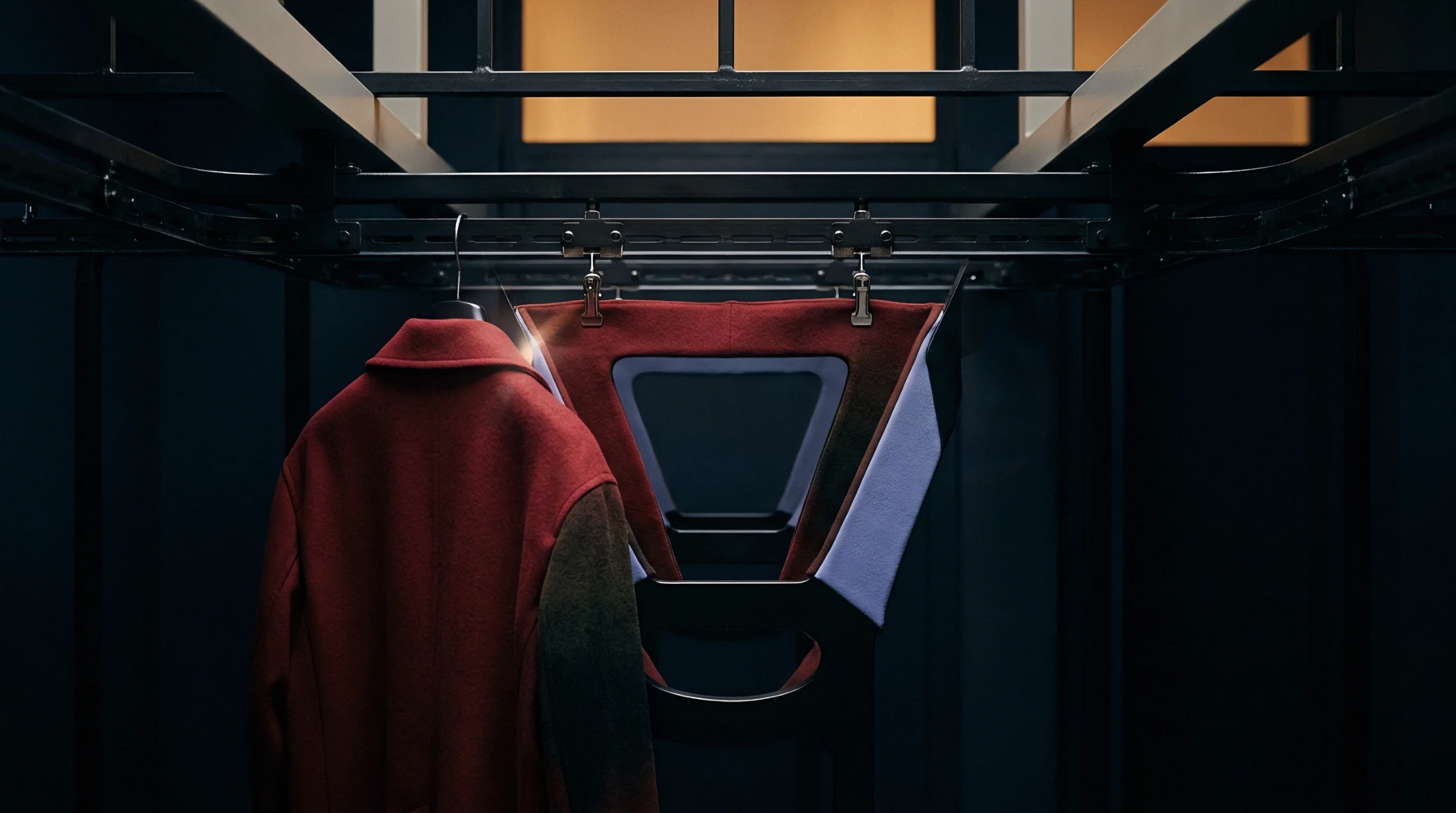
Dimensional Shrinkage
The structural shortening of a woven or knitted fabric as it undergoes aqueous processing represents a major factor in predicting finished fabric yield. This contraction, termed wet finishing contraction, occurs when yarn tension introduced during weaving is released by exposure to hot water, steam, or chemicals. The yarns relax and pull closer together, which decreases both the length and the width of the material.
Technicians calculate this relaxation to ensure the final garment fits the designed pattern.
Process Measurement
Measuring the difference in fabric dimensions before and after wet treatment is necessary to establish the contraction percentage. Mill technicians run trial batches through the dyeing and washing machines, marking specific distances on the raw grey fabric to track the movement. They record the change in warp and weft dimensions after the fabric has dried completely under tensionless conditions.
A high contraction rate requires the weaver to produce a wider grey fabric to compensate for the shrinkage. This trial data guides the sizing of the loom setups for bulk production.
Manufacturing Control
Controlling the temperature and tension of the wet finishing range minimizes the risk of excessive fabric shrinkage or elongation. Mills use relax-dryers and stenter frames to set the fabric width and stabilize the structure before it is cut into garments. This treatment ensures the finished fabric remains dimensionally stable.
Yarn Interaction
The yarn twist and the fibre composition determine how much the fabric will shrink during these hot wet stages. High-twist yarns and loose constructions show much higher rates of contraction than low-twist yarns in dense weaves. Selecting the appropriate weave structure helps prevent unwanted shrinkage during wet processing.