Quality Classification
Undesirable visual or physical irregularities resulting from improper conditions during dyeing, bleaching or washing cycles distinguish failed textile items from first grade goods. Evaluation of wet processing defects identifies localized or systemic failures that reduce the aesthetic value or structural strength of the finished material. These errors frequently appear as uneven color, known as shadiness, or as structural damage like abrasion marks caused by high speed movement in industrial jet machines.
Precise classification allows the mill to trace the failure back to specific stages such as faulty chemical concentration or mechanical misalignment of the fabric transport rollers. Reliable identification of these items prevents compromised goods from reaching the consumer market and helps target necessary maintenance procedures.
Mechanical Indicators
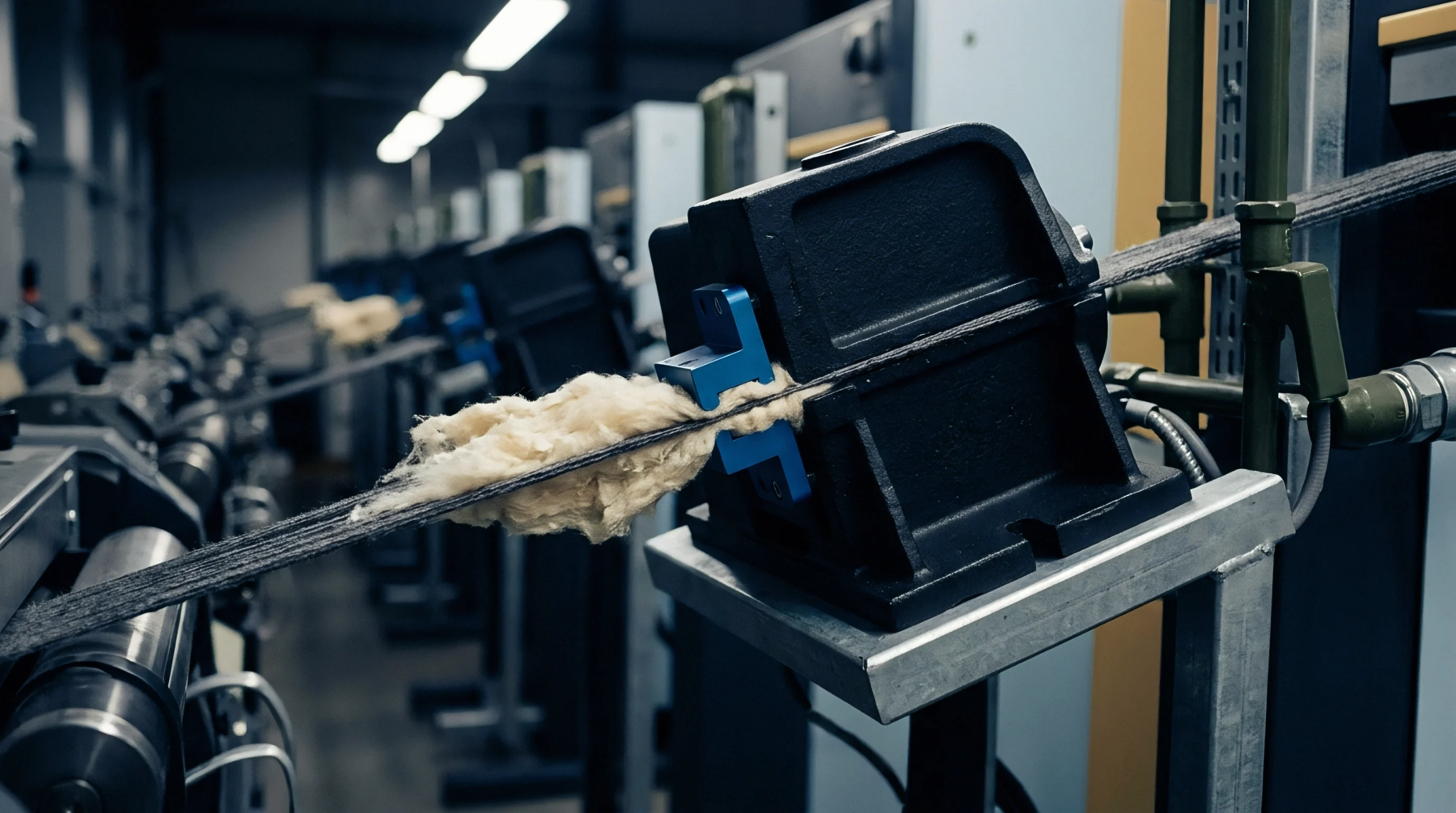
Common types of wet processing defects include creases that have been permanently set into the fiber during hot treatments or striping caused by irregular fluid flow inside the machine. If the fabric is packed too tightly in a dye vessel, it cannot move freely, resulting in light patches where the liquor failed to penetrate the folds. These flaws are often mechanical in origin, relating to the speed settings of the equipment or the loading weight of the batch relative to the total liquid volume.
Monitoring tension across the fabric range avoids warp-way streaks that occur when individual fibers are stretched beyond their recovery limit under heat and moisture. Systematic detection during the damp state enables quick intervention before the textile enters the drying ovens and becomes much harder to re-process.
Chemical Variability
Inconsistencies in the mixing of dyes or the failure to properly rinse out alkalis lead to wet processing defects that manifest as blotches or color stains after final finishing. If a fixative is applied unevenly, some sections of the fabric will hold their hue well while others fade rapidly during the first commercial wash. Laboratory tests measure the pH levels of returned goods to identify whether chemical residues are the cause of yellowing or fiber degradation over time.
Inspectors verify the uniformity of color depth across the full width of the roll to identify side-center-side variation, which often points to pressure issues in padding mangles. Reliable logging of these errors provides the mill manager with the data needed to adjust recipes for the next production run.
Remediation Strategy
Managing wet processing defects involves a decision process where items are either stripped and re-dyed or downgraded to secondary markets based on the severity of the flaw. Correcting the shade of an entire lot is a costly endeavor that consumes additional water and chemicals, making the original precision of the process essential for profitability. Frequent training of machine operators ensures they can spot early signs of trouble, such as foaming in the dye bath or tangling in the transport line.
The final goal remains the minimize the total defect percentage through automated sensors and better calibration of the industrial ranges. High output quality supports the long term goals of the mill by ensuring consistently high yields of top grade fabric.