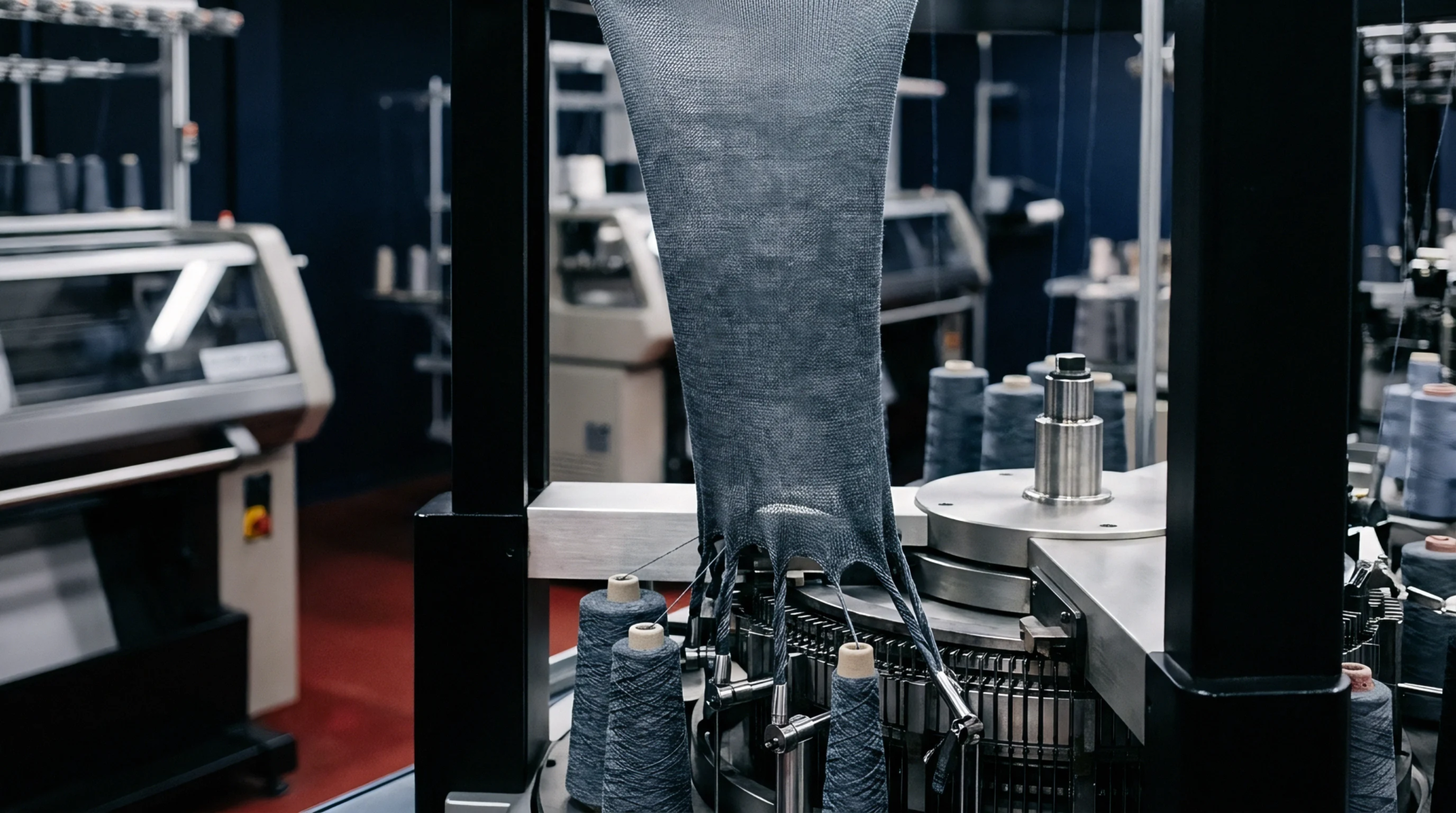
Defect Measurement
Fabric manufacturers track the frequency of localized yarn faults over a defined area to assess the overall quality of their woven or knitted textiles. The yarn defect density per 100 square meters is calculated by dividing the total number of yarn-related faults, such as slubs, knots, and thin spots, by the total fabric area and multiplying by one hundred. This metric allows direct comparison of fabric rolls from different weaving machines or yarn suppliers.
It serves to standardize quality records across varying batch sizes and roll lengths, giving managers a single benchmark for mill performance.
Quality Standard
High-end garment brands establish strict limits for this density metric to ensure that finished apparel meets their visual standards. When the yarn defect density per 100 square meters exceeds the agreed threshold, the fabric is downgraded or rejected. This prevents defective fabric from entering the garment cutting room.
Origin Identification
Analysts use these density counts to trace fabric defects back to specific yarn shipments or spinning mills. A sudden spike in the defect count indicates a problem with the yarn clearing process or poor quality raw cotton. This feedback helps mills correct their spinning and winding settings.
Weaving Knitting
Weaving and knitting mills monitor this metric continuously to maintain consistent production quality and reduce scrap rates. This statistical control allows mills to identify wearing machinery components, such as worn yarn guides or damaged needles, before they cause widespread fabric defects. Tracked data provides a reliable basis for machinery maintenance schedules.