Azo Dye Analysis and Solvation Limits in Textile Testing
Azo dye testing fails when hydrophobic polymers block solvent penetration, requiring pre-extraction to liberate restricted aromatic amines above regulatory thresholds.
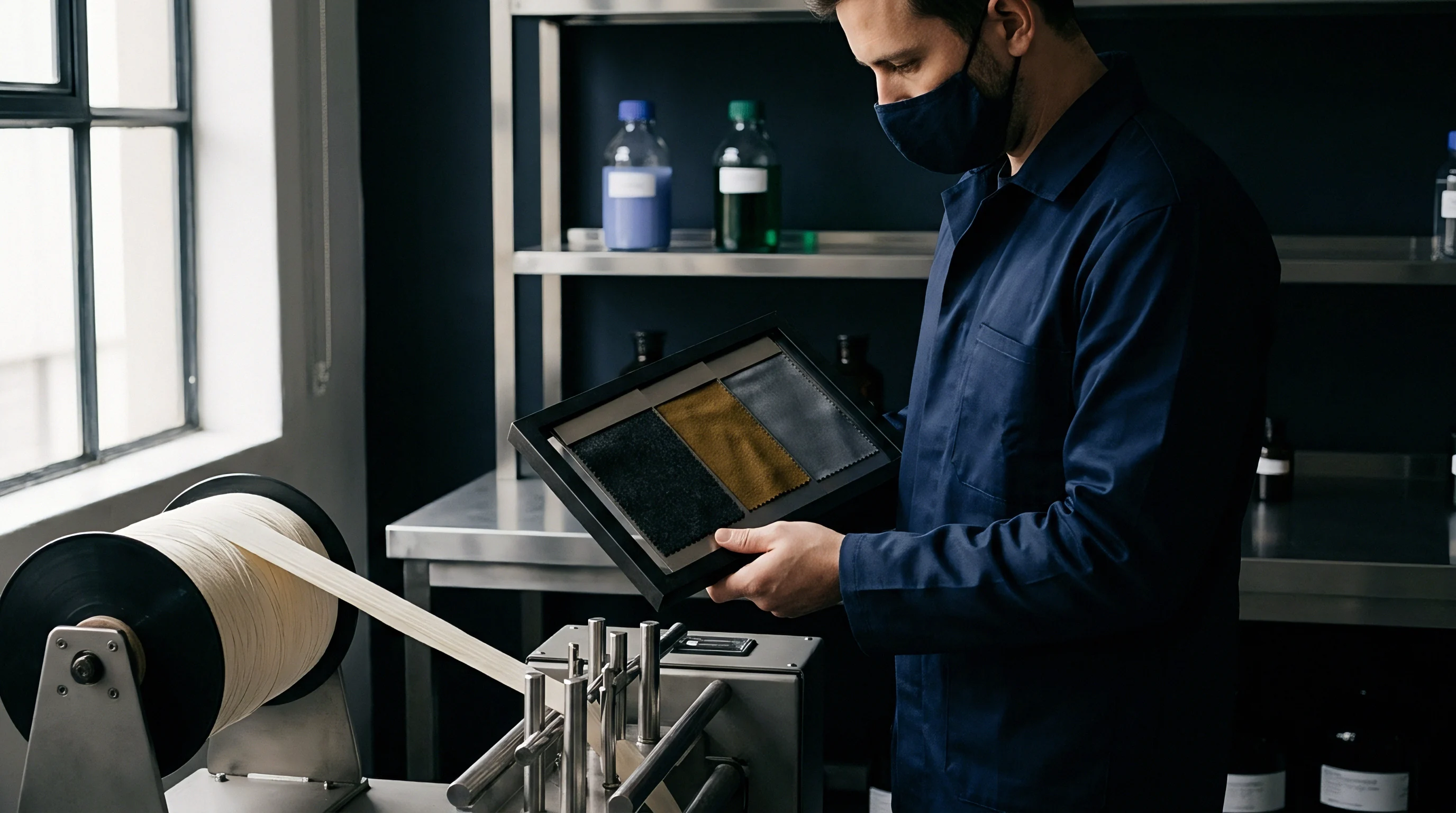
Mechanism
Azo colorants rely on one or more nitrogen-nitrogen double linkages to absorb specific light wavelengths across the visible spectrum. Under specific reductive conditions, these azo bonds split, generating primary aromatic amines. European REACH Regulation EC 1907/2006 Annex XVII Entry 43 restricts twenty-four specific aromatic amines classified as carcinogenic, mutagenic, or toxic to reproduction.
The regulatory threshold across the European Union, OEKO-TEX STANDARD 100, and the Global Organic Textile Standard restricts these target amines to a maximum concentration of thirty milligrams per kilogram of finished textile material.
Analytical determination follows standardized testing frameworks, primarily EN ISO 14362-1 for general textiles and EN ISO 17234-1 for leather trim elements. The standard analytical workflow subjects the test material to reductive cleavage using sodium dithionite in a citrate-buffered aqueous medium maintained at pH 6.0 and seventy degrees Celsius for thirty minutes. Citrate buffers stabilize pH conditions during the reaction, preventing acidic or alkaline side reactions that degrade sensitive amine structures.
Cleavage Chemistry and Buffer Stability
Sodium dithionite acts as an electron donor that selectively breaks the nitrogen double bond at elevated temperatures. The reaction converts each azo group into two separate amino groups. Direct dyes, acid dyes, and reactive dyes containing water-soluble sulfonate or carboxylate groups dissolve readily in aqueous citrate buffer, exposing their azo linkages directly to the reducing agent.
Solvation proceeds rapidly, achieving complete cleavage within fifteen minutes of thermal exposure.
Insoluble pigments and hydrophobic disperse colorants resist aqueous dissolution. When colorants remain locked inside crystalline synthetic polymer matrices, sodium dithionite molecules cannot access the azo bonds. Solvation limits dictate reaction kinetics.
If a colorant fails to dissolve into the liquid phase, reductive cleavage remains incomplete, yielding false-negative analytical results during laboratory screening.

Thermally Induced Amine Degradation
Extended exposure to seventy degrees Celsius causes certain fragile aromatic structures to undergo secondary breakdown. Amines such as 4-aminobiphenyl and 2-naphthylamine exhibit volatility at elevated temperatures, leading to volatile loss during open-vessel heating. Citrate buffer control prevents premature hydrolysis, yet temperature spikes above seventy-two degrees Celsius destabilize the reduction media.
Sodium dithionite decomposes rapidly into sulfur dioxide and sodium sulfite under acidic conditions, stripping the system of reducing capacity before complete cleavage occurs.
Dyes migrate under heat. Polyurethane coatings, silicon water-repellent treatments, and fluorocarbon fluoropolymer matrices form physical barriers around dyed fibers, shielding colorant molecules from aqueous contact. Testing uncoated fibers yields rapid reduction, whereas coated structures demand specialized solvent pretreatment steps to breach the polymeric shell.
| Restricted Aromatic Amine | CAS Number | Aqueous Solvation Rate (pH 6.0) | Thermal Stability at 70 °C |
|---|---|---|---|
| 4-Aminobiphenyl | 92-67-1 | Low | Moderate Volatility |
| Benzidine | 92-87-5 | Moderate | High Stability |
| 4-Chloro-o-toluidine | 95-69-2 | Low | High Volatility |
| 2-Naphthylamine | 91-59-8 | Low | Moderate Volatility |
| o-Aminoazotoluene | 97-56-3 | Very Low | Thermally Labile |
| 4-P-Sulfophenylazoaniline | 101-77-9 | High | High Stability |
Pigments resist chemical reduction. Dyes that clear cold solubility checks frequently fail under thermal reduction when heavy polyurethane topcoats lock the pigments inside the fiber core.

Extraction
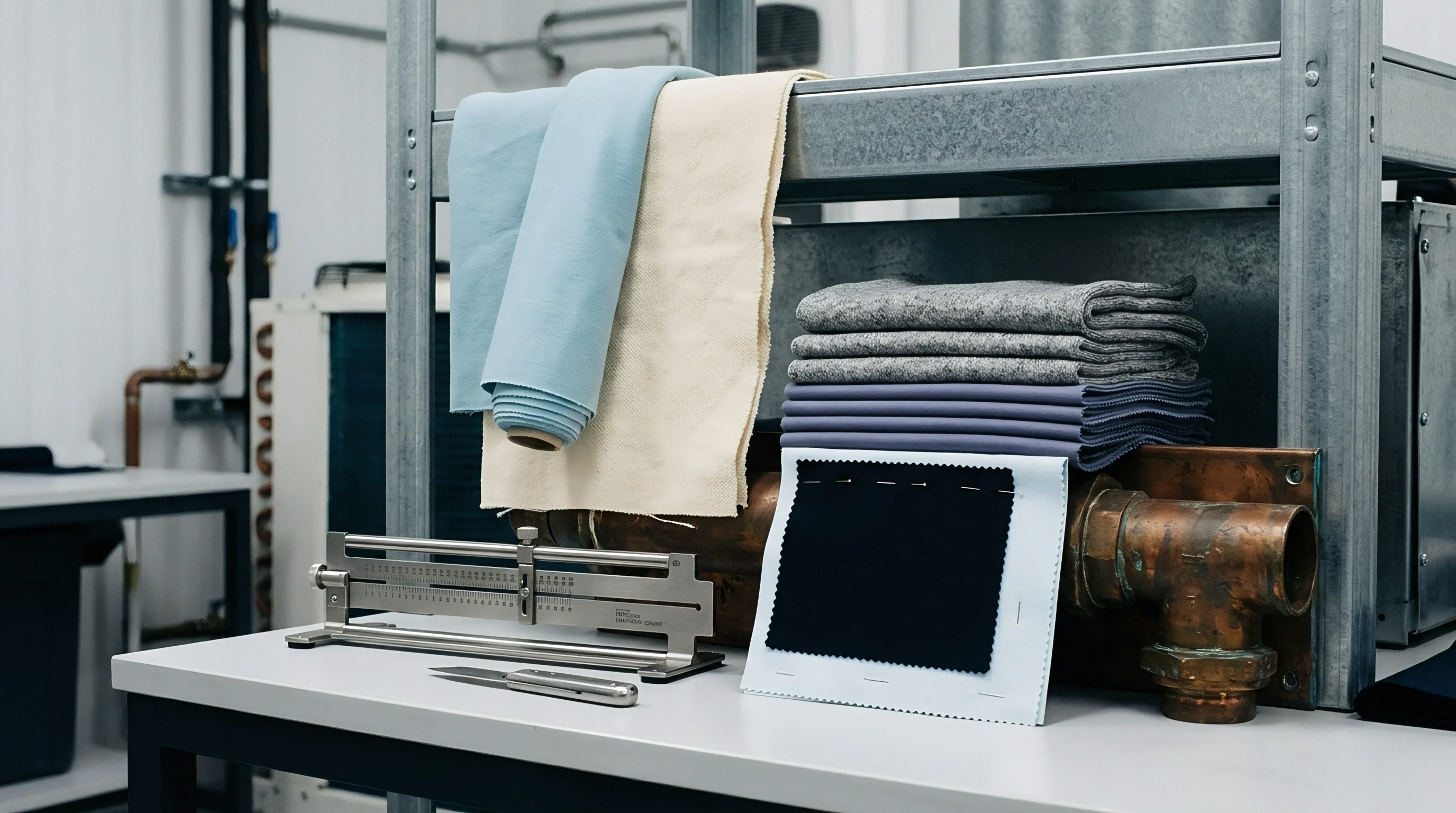
Aqueous sodium dithionite solutions cannot penetrate dense crystalline synthetic polymers without an organic swelling phase. EN ISO 14362-1 establishes two primary analytical preparation procedures to address structural physical barriers. Method A applies direct reductive cleavage in aqueous citrate buffer without pre-extraction, designed strictly for natural fibers such as cotton, silk, wool, and hydrophilic regenerated cellulose.
Method B mandates an organic pre-extraction step using boiling chlorobenzene or xylene prior to reduction, specifically designed for hydrophobic fibers including polyethylene terephthalate, polyamide, acrylic, and coated technical textiles.
Chlorobenzene swells dense polymers. Heating hydrophobic synthetic fibers in chlorobenzene at one hundred and thirty-two degrees Celsius expands the intermolecular polymer matrix, swelling the amorphous regions and dissolving disperse dyes or pigments trapped within the fiber core. Once extracted into liquid chlorobenzene, the solvent evaporates under reduced pressure, leaving concentrated colorant residues that dissolve readily in the aqueous citrate buffer system for subsequent reduction.

Matrices Resistant to Solvent Infiltration
Polyester fibers spun from high-tenacity polyethylene terephthalate exhibit tight intermolecular packing that resists liquid diffusion. Standard tests fail here. Without chlorobenzene pre-extraction, sodium dithionite contacts only the superficial dye molecules resting on the fiber surface, leaving up to ninety percent of internal colorants unreacted.
Recycled yarns hold impurities. Post-consumer recycled polyester frequently contains crosslinked dyes, finish coatings, and flame-retardant additives that alter solvation behavior. Standard organic solvents swell virgin polyester predictably, but fail to fully dissolve dye aggregates trapped within highly crosslinked recycled PET crystalline domains.
Method B pre-extraction with boiling chlorobenzene yields a fourfold increase in amine recovery from dense recycled polyester filament yarns compared to direct aqueous reduction.
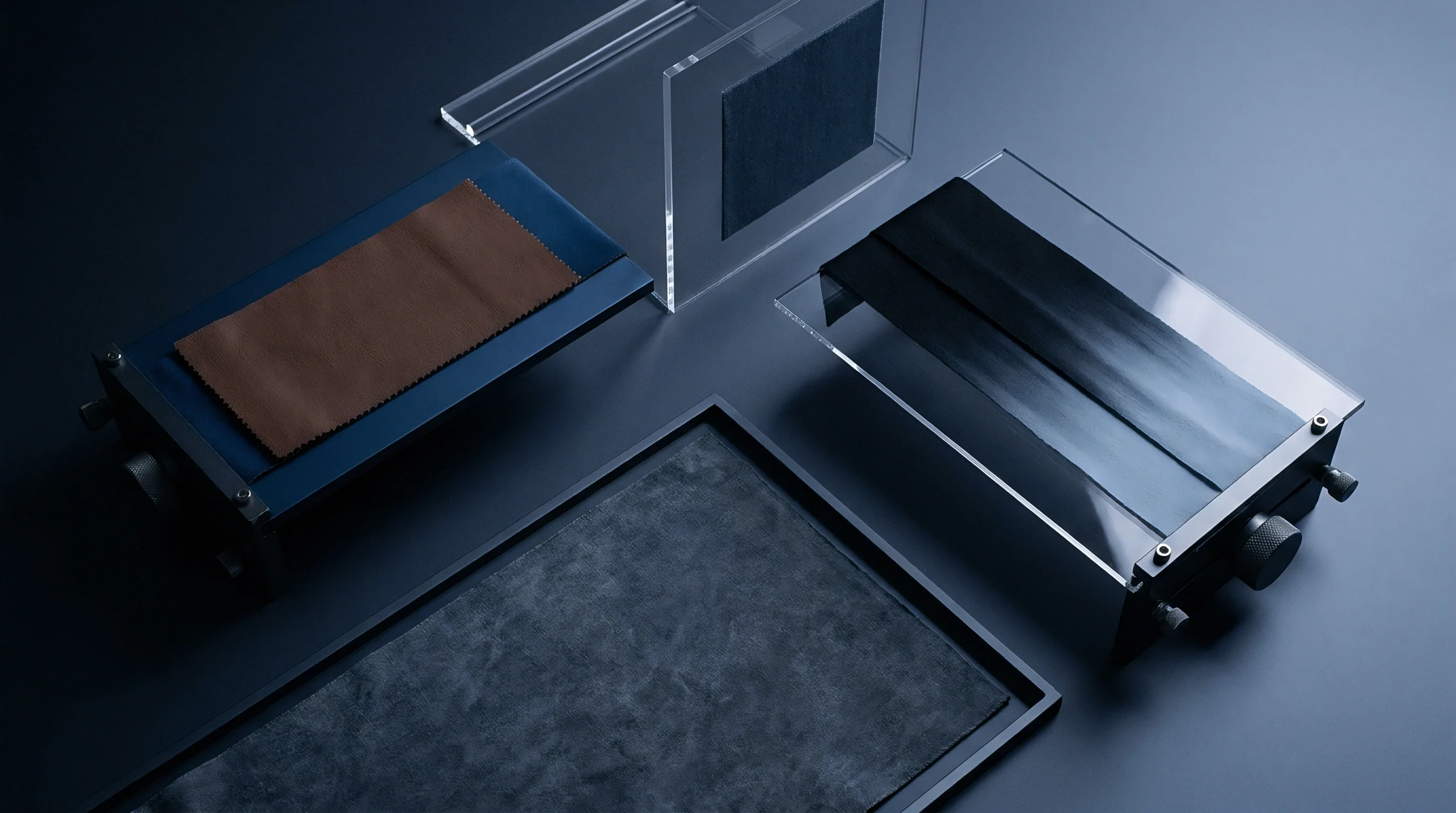
Pre-Extraction Method Selection Parameters
Standard analytical procedures specify distinct sample preparation pathways based on the chemical class of the synthetic fiber. Technician error during procedure selection accounts for the majority of false-negative compliance certifications issued across commercial laboratories. Applying Method A to a polyester-elastane blend dyed with disperse azo dyes leaves the colorant entrapped inside the hydrophobic matrix, yielding zero detectable aromatic amines despite significant dye loads.
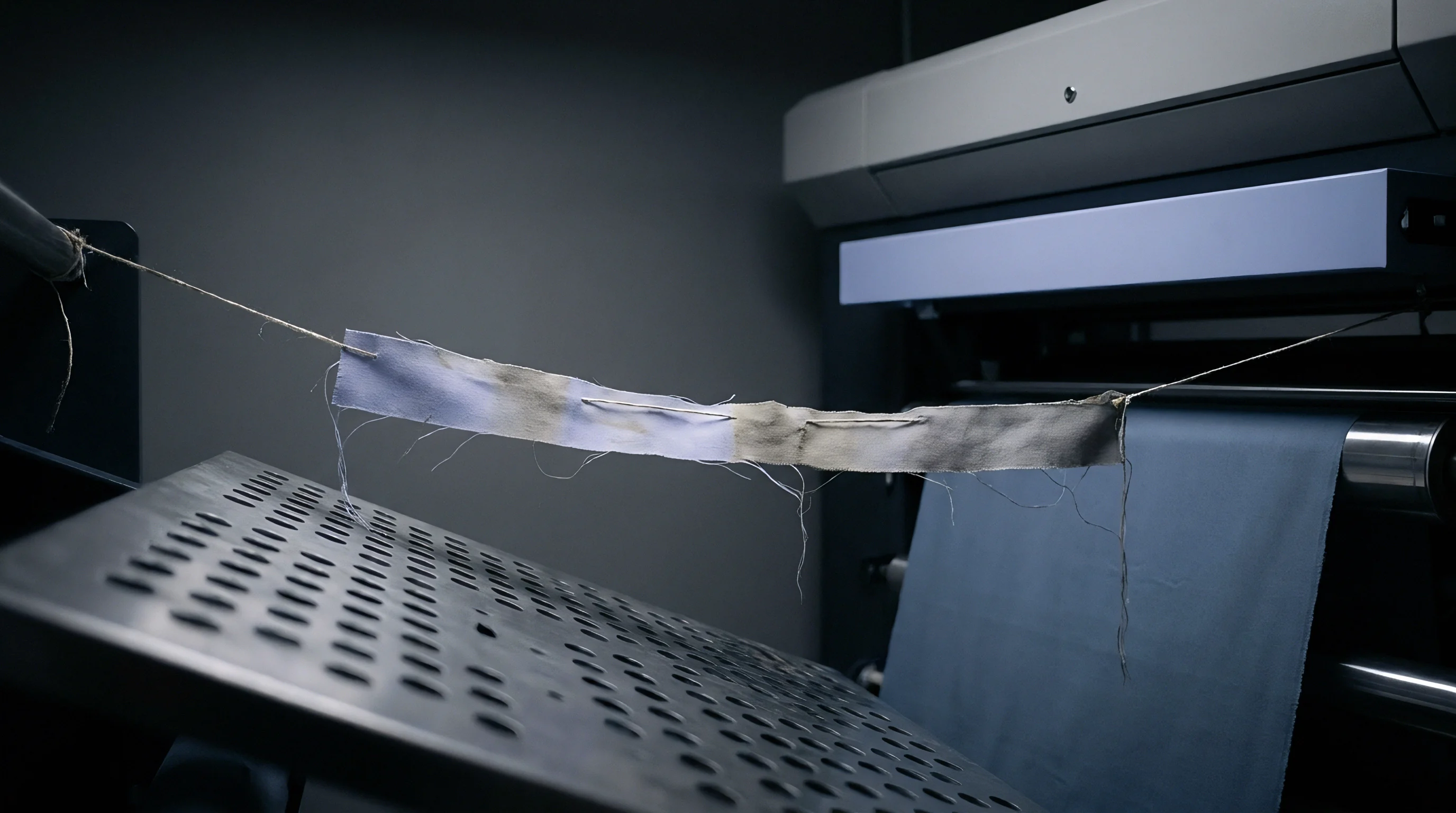
When Does Solvent Extraction Fail to Liberate Restricted Aromatic Amines?
Crosslinked polyurethane surface membranes block organic solvents from reaching the embedded colorant particles beneath. Two-component polyurethane coatings, silicone rubber backings, and fluorocarbon water-repellent films create dense chemical networks that resist dissolution in chlorobenzene at standard reflux temperatures. When solvent penetration fails, the core colorant remains un-extracted, preventing sodium dithionite from cleaving the target azo bonds during the subsequent aqueous phase.
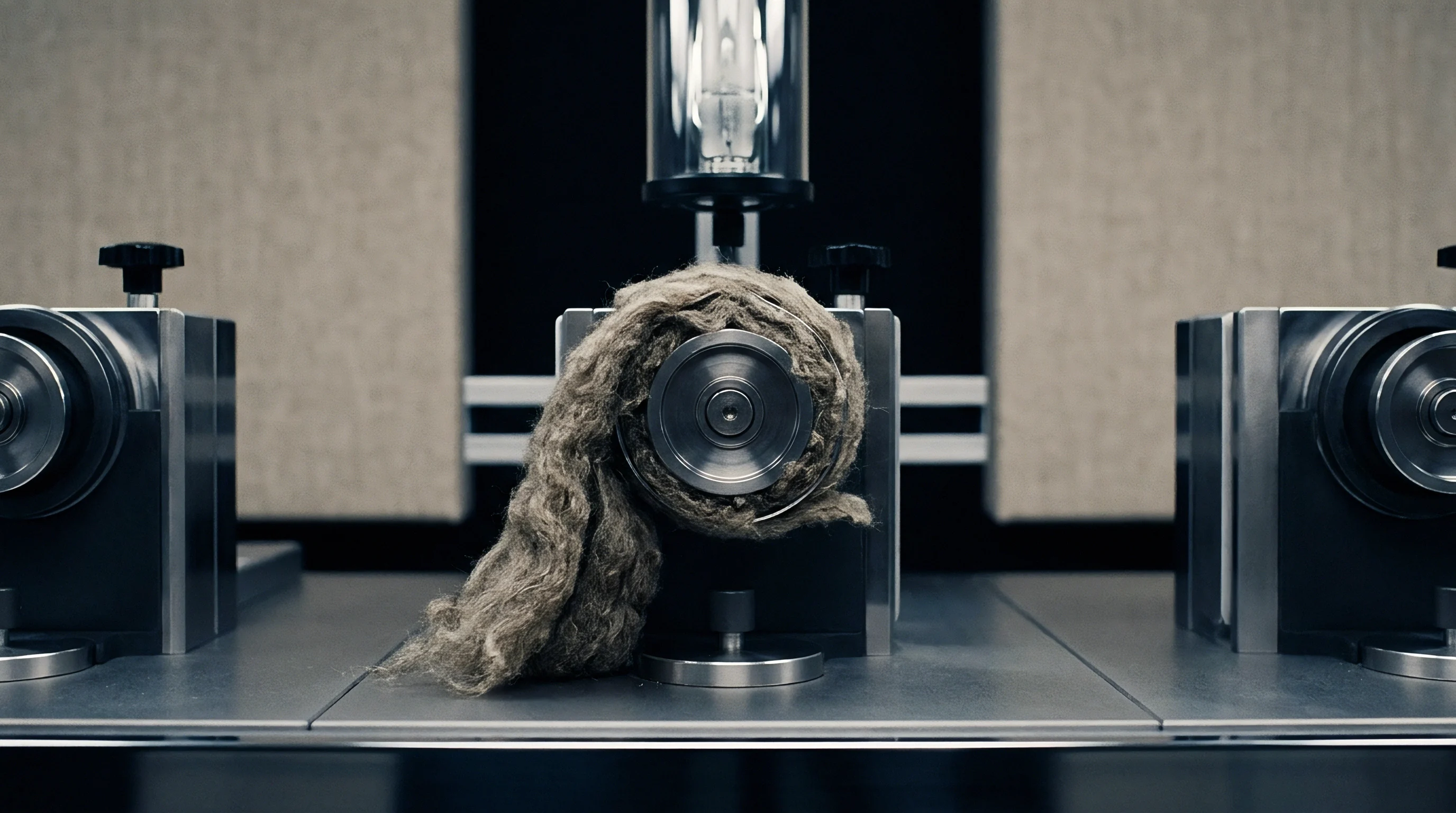
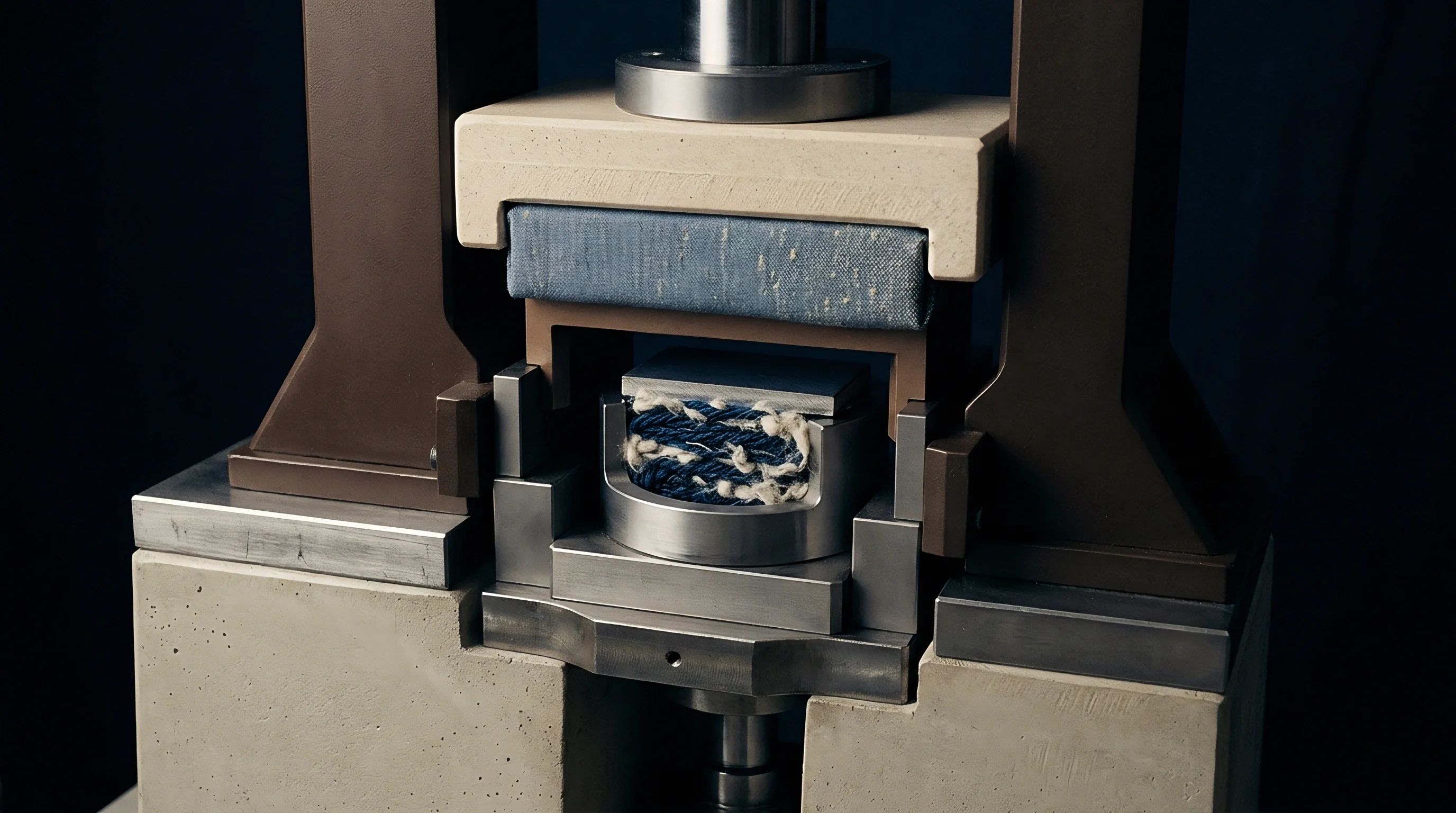
Analytical laboratories attempt to overcome crosslinked membrane barriers through mechanical cryogenic grinding. Freezing the sample with liquid nitrogen at minus one hundred and ninety-six degrees Celsius embrittles the polymer, allowing mechanical mills to crush the textile into fine particles under five hundred micrometers. Powdered polymer particles expose a substantially larger surface area to refluxing chlorobenzene, restoring dye solvation dynamics and enabling complete chemical recovery.
Dyehouses commonly claim that non-detectable amine readings from un-extracted test swatches prove complete compliance across hydrophobic coatings.
Swatch
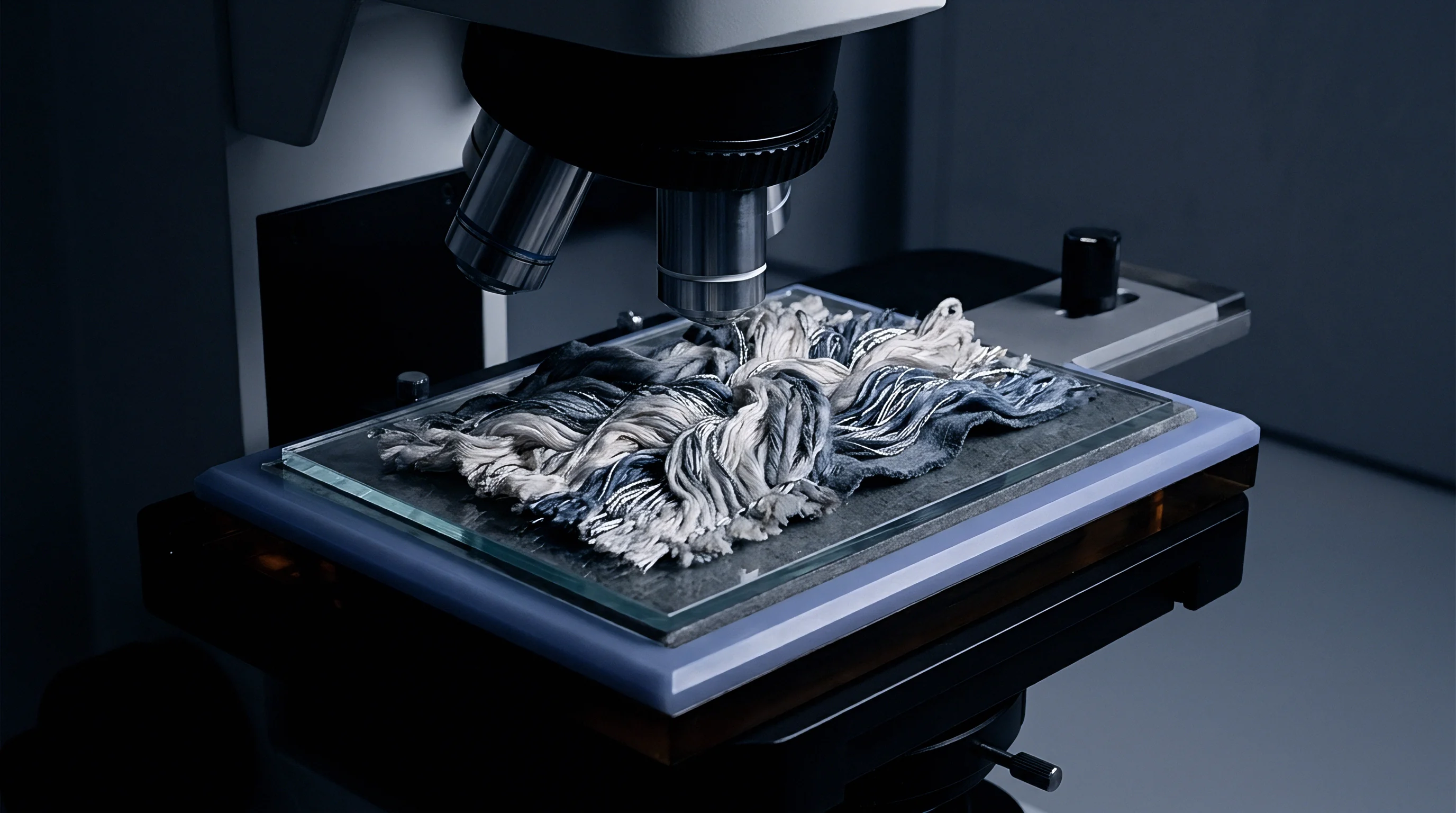
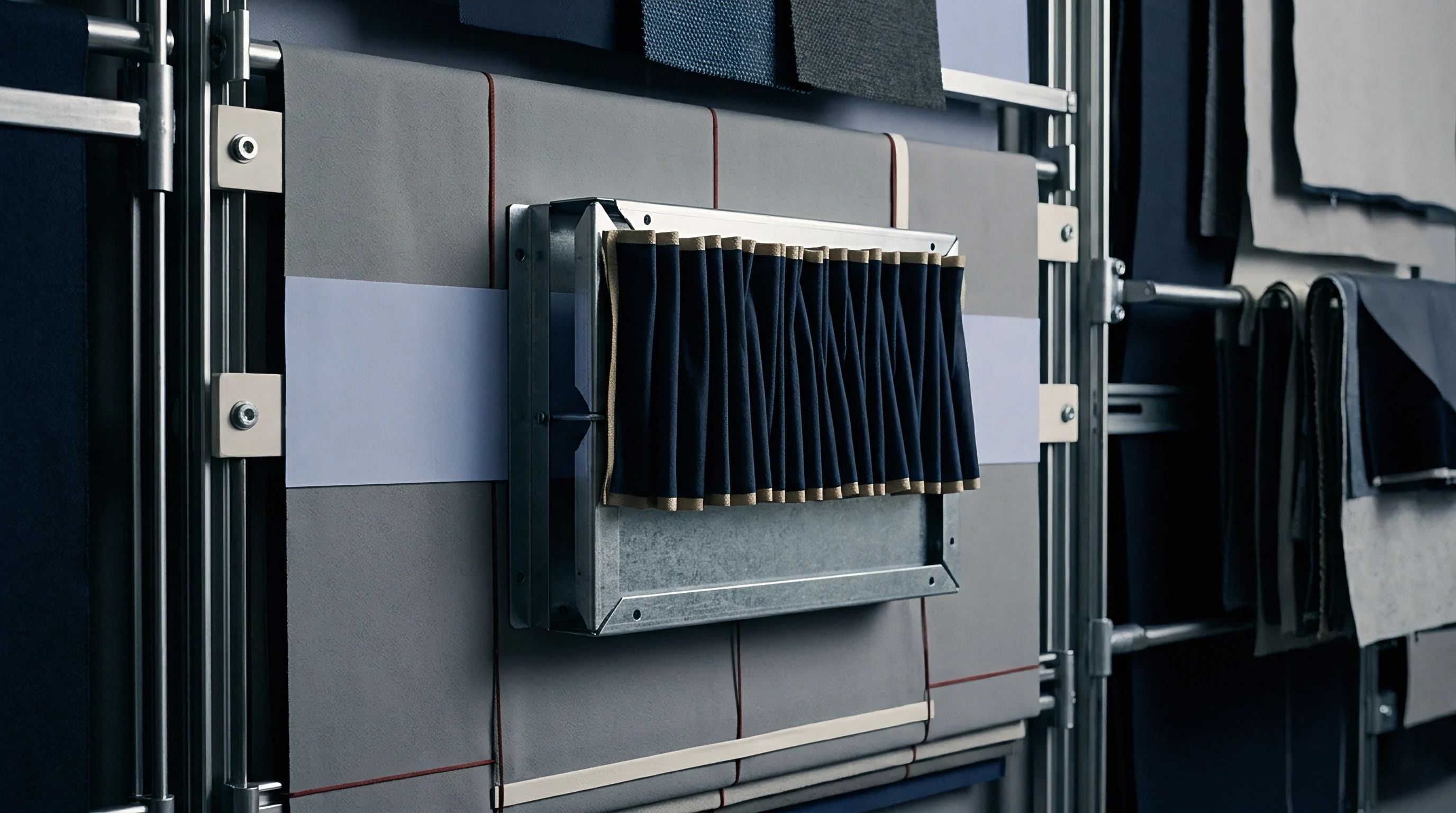
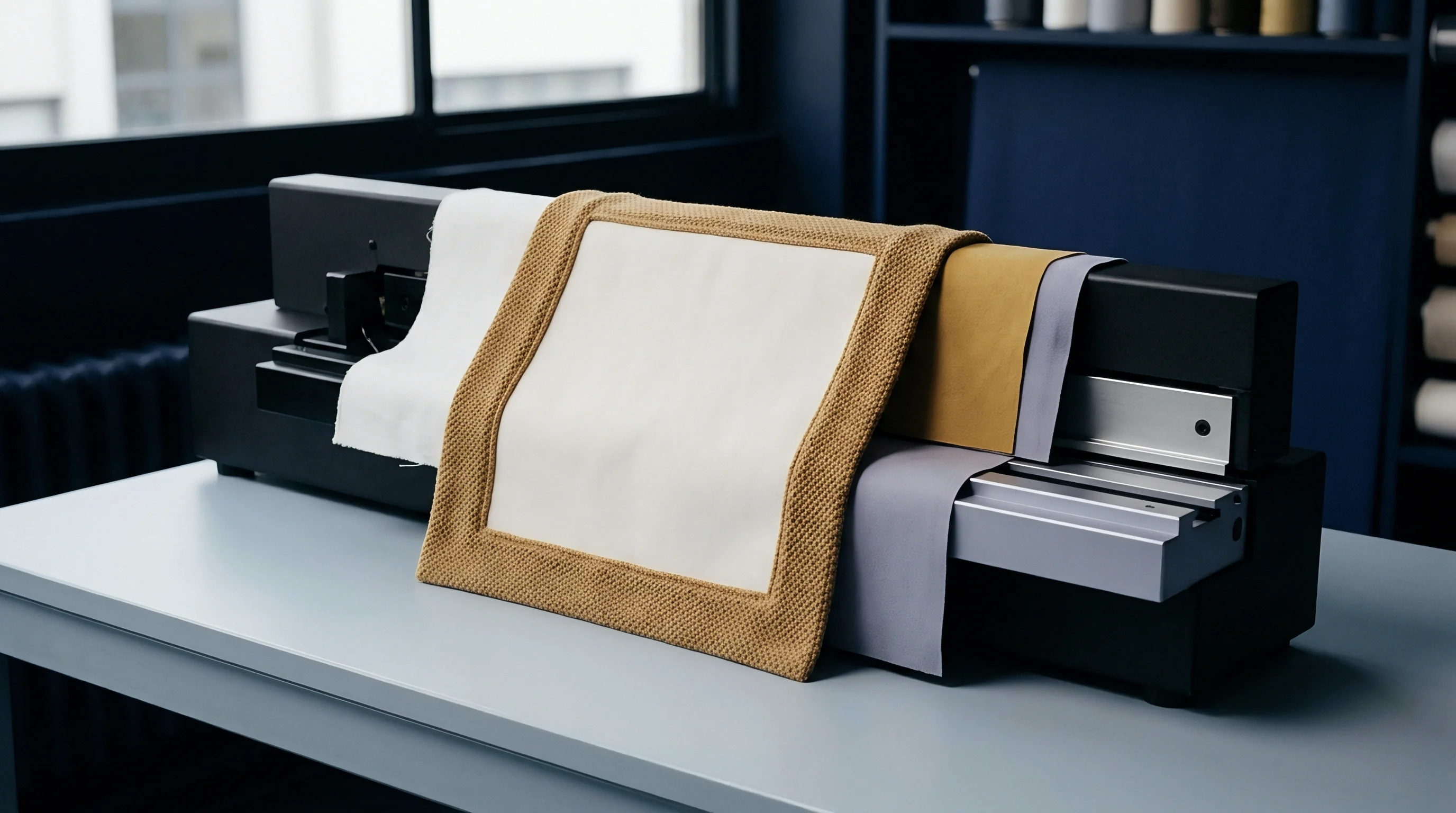
Laboratory analysis demands precise physical cutting of textile specimens to isolate specific dye chemistry from structural backing yarns. Test protocols mandate selecting specimens that accurately reflect the entire chemical profile of the finished shipment. For multi-colored fabrics, woven jacquards, screen prints, and garments containing trim components, testing a single composite specimen obscures localized non-compliance through dilution effects.
Colorway Isolation and Composite Specimen Limits
Multi-color textile prints present analytical challenges because each pigment layer contains distinct chemical precursors. EN ISO 14362-1 Clause 9 specifies that each distinct colorway must undergo separate extraction and reduction. Combining red, blue, and yellow printed areas into one composite specimen dilutes individual amine concentrations below the thirty milligram per kilogram reporting limit.
Clean reports guarantee nothing. A multi-color print containing fifty milligrams per kilogram of 3,3-dichlorobenzidine in a minor black outline pigment yields an analytical result of eight milligrams per kilogram when ground together with surrounding compliant white fabric swatches. The composite specimen passes the laboratory screen, yet the finished retail garment remains strictly illegal under European Union enforcement guidelines.
- Cut representative specimens from three distinct sections across the full width of the fabric roll, excluding the outer five centimeters of selvedge edge.
- Separate multi-layer laminated materials into individual fabric layers, foam cores, and adhesive films using mechanical peeling or selective solvent de-lamination.
- Isolate individual print colorways using micro-scissors under magnification, collecting a minimum specimen mass of 0.20 grams for each distinct color.
- Extract hydrophobic fiber components using refluxing chlorobenzene at one hundred and thirty degrees Celsius for thirty minutes under continuous agitation.
- Evaporate organic extraction solvents completely using a rotary evaporator maintained under partial vacuum at sixty degrees Celsius before adding citrate buffer.
EN ISO 14362-1 Clause 9 mandates separate chemical testing for every individual colorway present in a multi-color print, nullifying composite swatch test reports during customs audits.

Phase Partitioning in Liquid Extraction
Target amines transfer from the aqueous buffer into t-butyl methyl ether during the liquid-liquid extraction phase. Liquid-liquid extraction separates liberated aromatic amines from residual water-soluble dye fractions and buffer salts. Sodium chloride adds to the aqueous phase to increase ionic strength, driving polar amines out of water into the organic ether phase.
| Fiber Substrate | Target Aromatic Amine | Method A Recovery (Aqueous) | Method B Recovery (Chlorobenzene) | Cryogenic Grinding Recovery |
|---|---|---|---|---|
| 100% Cotton (Reactive Dye) | 4-Aminobiphenyl | 94% | 92% | 95% |
| 100% PET (Disperse Dye) | 4-Chloro-o-toluidine | 12% | 88% | 96% |
| PA6,6 (Acid Dye) | 2-Naphthylamine | 78% | 81% | 89% |
| PET/PU Coated Fabric | 4,4-Methylenedianiline | 5% | 41% | 93% |
| Recycled PET Filament | 3,3-Dimethoxybenzidine | 9% | 62% | 91% |
| Recovery rates expressed as percentage of total theoretical amine content determined via complete chemical digestion. | ||||
Section 4 of REACH Annex XVII Entry 43 restricts the placing on the market of textile articles containing aromatic amines above thirty milligrams per kilogram, transferring statutory compliance failure directly to the importer of record when testing omits pre-extraction.
Chromatography
Separation techniques split complex chemical extracts into distinct molecular components prior to mass spectrometer detection. Modern analytical protocols mandate dual-instrument verification, utilizing High-Performance Liquid Chromatography equipped with a Diode Array Detector alongside Gas Chromatography-Mass Spectrometry. High-performance liquid systems separate non-volatile and thermally labile amines, whereas gas chromatography offers high peak resolution and spectral identification for volatile organic structures.
Instrumental Resolution and Matrix Interference
High-performance liquid detectors separate polar compounds based on chemical affinity to silica stationary phases. Matrix interference presents continuous operational challenges. Co-extractives such as UV stabilizers, spin finishes, plasticizers, and residual surfactant fragments elute alongside target aromatic amines, causing retention time shifts and signal quenching.
Matrix effects shift baselines. When co-eluting matrix components overlap with target amine peaks, quantitation errors spike by up to forty percent. Analytical laboratories resolve matrix overlap by altering mobile phase gradients, switching from acetonitrile-water mixtures to methanol-ammonium acetate buffer systems.
Co-eluting isomer peaks in high-performance liquid chromatography require secondary gas-chromatography mass-spectrometry confirmation before issuing a failure notice to the dyehouse.
Confirmation Protocols for 4-Aminoazobenzene
Direct reduction of azo linkages converts parent azo dyes into aniline and 1,4-phenylenediamine rather than revealing the precursor structure directly. Testing for 4-aminoazobenzene demands specialized analytical procedures governed by EN ISO 14362-3. Sodium dithionite reduction breaks 4-aminoazobenzene into aniline and 1,4-phenylenediamine, which are non-restricted aniline derivatives, masking the presence of the restricted parent dye.
EN ISO 14362-3 isolates 4-aminoazobenzene via direct solvent extraction using xylene without reductive cleavage. The raw extract passes through a silica gel column to remove non-target colorants before injection into gas chromatography-mass spectrometry instruments. Omitting EN ISO 14362-3 when screening yellow, orange, and red disperse dyes results in catastrophic false-compliant analytical findings.
Consider a 20,000-meter production run of 100% recycled polyester fabric coated with a 15-micron polyurethane film, dyed using Disperse Red 60 and Disperse Yellow 54. Assume an analytical specimen of 1.00 gram subjected to EN ISO 14362-1 Method A versus Method B. Under Method A, the dense polyurethane shell restricts solvation, yielding a measured concentration of 12 milligrams per kilogram of 4-aminoazobenzene, which sits below the 30 milligrams per kilogram regulatory ceiling under REACH Annex XVII Entry 43. When the same batch undergoes Method B, boiling chlorobenzene swells the polymer matrix, fully dissolving the pigment particles and liberating 68 milligrams per kilogram of 4-aminoazobenzene after reductive cleavage.
The batch shifts from compliant to illegal based solely on the extraction preparation chosen by the testing technician.
- Co-Elution Peak Overlap occurs when matrix co-extractives elute at identical retention times as target amines, corrupting mass spectrum matching.
- Ion Source Contamination reduces electron ionization sensitivity, elevating the analytical limit of quantification above regulated thresholds.
- Thermal Injection Breakdown causes labile azo colorants to cleave inside GC injection ports held above two hundred and fifty degrees Celsius.
- Calibration Drift Errors skew quantitative measurements when internal standards suffer degradation inside autosampler vials over extended sequences.
| Target Amine | Instrument Limit of Detection | Limit of Quantification | OEKO-TEX Class I Threshold | REACH Annex XVII Limit |
|---|---|---|---|---|
| 4-Aminobiphenyl | 1.5 mg/kg | 5.0 mg/kg | 20.0 mg/kg | 30.0 mg/kg |
| Benzidine | 1.0 mg/kg | 5.0 mg/kg | 20.0 mg/kg | 30.0 mg/kg |
| o-Toluidine | 2.0 mg/kg | 5.0 mg/kg | 20.0 mg/kg | 30.0 mg/kg |
| 4-Aminoazobenzene | 3.0 mg/kg | 10.0 mg/kg | 20.0 mg/kg | 30.0 mg/kg |
| 2,4-Xylidine | 2.0 mg/kg | 5.0 mg/kg | 20.0 mg/kg | 30.0 mg/kg |
Analytical chemists continue to debate whether ambient solvation extraction can isolate labile azo colorants without inadvertently inducing thermal cleavage during injection port vaporization.
Consequence
Textile importers face immediate border seizures when official laboratory surveillance reveals restricted aromatic amines in cleared shipments. European customs authorities enforce product safety laws through the Safety Gate rapid alert system. Border inspections pull physical samples directly from containerized freight, subjecting goods to rigorous testing using cryogenic grinding and solvent pre-extraction protocols.

Regulatory Enforcement and Border Detention Risks
Market surveillance authorities across European ports execute random analytical testing on landed consumer goods. Importers hold final liability. Discovering aromatic amine concentrations exceeding thirty milligrams per kilogram triggers mandatory public safety recalls, public disclosure on regional enforcement databases, and total destruction of non-compliant inventory at the importer expense.
Customs authorities pull production samples directly from shipping containers rather than relying on mill-supplied lab dips during compliance audits.

Financial Liability Allocation in Sourcing Purchase Orders
Commercial purchase contracts shift chemical compliance liabilities downstream through explicit indemnification provisions. Sourcing agreements specify that raw material suppliers and dyehouses guarantee complete compliance with restricted substance lists. Lab dips yield false assurance.
When dyehouse certifications rely on flawed Method A test reports for hydrophobic synthetic goods, buyers suffer severe financial exposure upon importation.
- Method B Requirement Clause dictates that all synthetic and coated fabrics undergo chlorobenzene pre-extraction under EN ISO 14362-1.
- Colorway Independent Testing Mandate requires distinct analytical reports for every print colorway and surface treatment variant.
- Batch Traceability Linkage ties chemical test reports directly to specific production lot numbers stamped on roll shipping tags.
- Full Financial Indemnification holds dyehouses liable for border detention costs, testing fees, freight charges, and retail penalties.
Failure to account for solvation barriers during mill gate compliance checks leads to port quarantines, total shipment destruction at the importer’s expense, and irrevocable cancellation of retail distribution agreements.