Resolving Unresolved Matrix Pyrolysis Interferences between Rapid Screening and Confirmatory Targeted Extraction
Resolving pyrolytic matrix interferences requires replacing thermal desorption screening with polymer dissolution and liquid extraction prior to mass spectrometry.


Desorption

Thermal Chamber Kinetics and Rapid Screening Overlaps
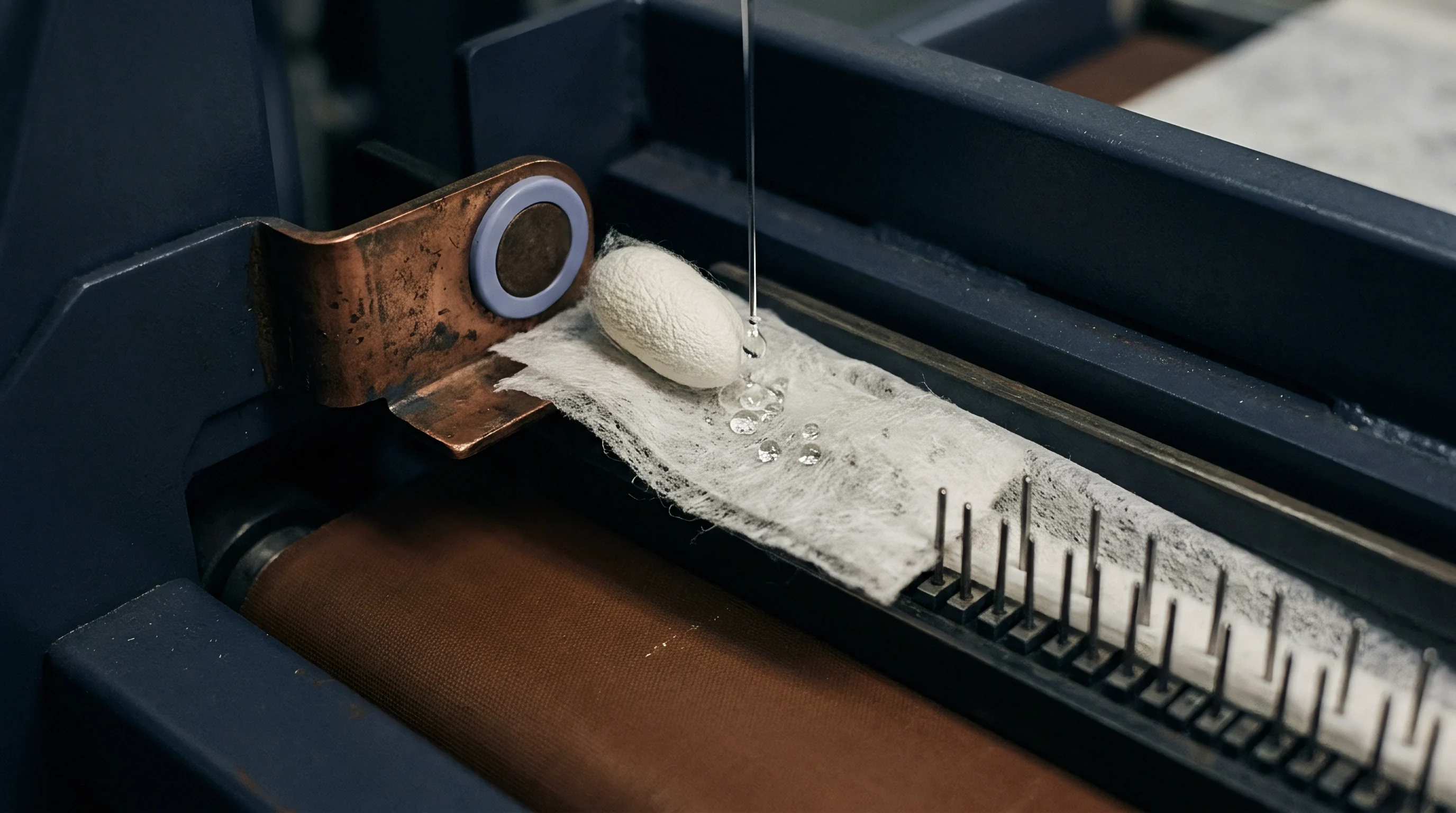
Direct pyrolytic desorption rapidly heats textile swatches between 280°C and 350°C to volatilize low-molecular-weight additives directly into a gas chromatograph mass spectrometer. This process bypasses liquid extraction, saving up to four hours of laboratory work per sample. Heat breaks structural polymer bonds alongside targeted plasticizer evaporations.
Polyethylene terephthalate, polybutylene terephthalate, and elastane formulations undergo thermal degradation within this temperature envelope. Thermal cleavage releases cyclic monomers, terephthalate fragments, and oligomeric anhydrides into the carrier gas stream.
Analytical detectors register mass-to-charge ratios matching restricted phthalates when terephthalate polymers undergo thermal cleavage. The m/z 149 protonated phthalic anhydride fragment serves as the primary quantitative ion for diisobutyl phthalate, dibutyl phthalate, and bis(2-ethylhexyl) phthalate under standard electron ionization conditions. Polybutylene terephthalate thermal breakdown generates abundance at m/z 149 alongside m/z 104 and m/z 76.
Standard rapid screening software flags these signals as restricted phthalate contaminations. High concentrations of synthetic matrix fragments overwhelm secondary confirmation ions like m/z 223 or m/z 279, rendering qualitative spectrum matching uninformative.
- Cut a swatch precisely to 0.5 milligrams using a micro-punch to prevent overfilling the quartz sample tube.
- Insert the sample into the thermal desorption furnace set at 300°C for exactly two minutes.
- Trap volatile compounds on a cryo-focusing unit cooled to minus 40°C using liquid nitrogen.
- Ramp the thermal trap rapidly to 320°C to transfer analytes onto a 5-percent phenyl-methylpolysiloxane capillary column.
- Compare mass spectral ion ratios against ISO 14362-1 baseline thresholds to identify potential matrix degradation overlaps.
Pyrolysis screening protocols operating under ISO 17881-1 or IEC 62321-8 fail to isolate physical additives from polymer backbone degradation products. When soft polyurethane coatings or thermoplastic elastomers burn inside the injector vessel, thermal cleavage products co-elute with organotin catalysts and chlorinated paraffin markers. Screening reports generated purely from pyrolytic desorption display high false-positive rates for dense synthetic blends.
Laboratories operating on high-throughput commercial schedules often issue preliminary rejection notices based entirely on these uncorrected pyrolytic signals.
Standard laboratory scope documentation requires confirmatory wet chemical extraction whenever thermal screening indicates phthalate concentrations above 100 milligrams per kilogram.
Mills frequently claim that raw yarn certificates guarantee compliance when pyrolytic screening flags synthetic fabric lots. Mill representatives state that matrix interference during high-temperature testing accounts for all elevated spectrum readings.


Fragment

Ion Ratio Skewing and Mass Spectral Artifacts
Thermal decomposition generates volatile fragments that share nominal masses with target target analytes. During pyrolysis gas chromatography mass spectrometry screening, thermal degradation of polyurethane elastomers creates diisocyanate byproducts. 4,4′-diphenylmethane diisocyanate degrades into aromatic amine structures under pyrolytic heating above 300°C. These thermal byproducts mimic regulated aromatic amines under EN 14362-1 testing conditions.
Distinguishing between residual free aromatic amines introduced during dyeing and thermal breakdown products formed in the testing furnace requires temperature-controlled extraction pathways.
| Polymer Matrix | Pyrolysis Temperature Range | Interfering Thermal Fragment | Target Analytes Affected | Confirmatory Clean-up Phase |
|---|---|---|---|---|
| Polybutylene Terephthalate | 280°C to 340°C | Phthalic anhydride (m/z 149, 104) | DIBP, DBP, DEHP | Silica Gel Solid Phase Extraction |
| Soft Polyurethane Coating | 300°C to 380°C | Methylenediphenyl diisocyanate derivatives | 4,4′-diaminodiphenylmethane | Acidic Liquid-Liquid Back-Extraction |
| Chlorinated Polyethylene Trim | 250°C to 320°C | Dehydrochlorinated alkene fragments | Short-Chain Chlorinated Paraffins (SCCP) | Florisil Column Chromatography |
| Polรายamide 6,6 Elastane Blend | 320°C to 400°C | Cyclic monomer lactams (m/z 113) | Organotin Compounds (DBT, DOT) | Gel Permeation Chromatography |

Where Do Thermal Degradation Fragments Co-Elute with Target Phthalate Ions?
Co-elution occurs primarily when gas chromatography temperature programs ramp too rapidly to resolve matrix breakdown products from low-boiling plasticizers. A five-degree-per-minute ramp fails to separate dihydrofuran-2,5-dione derivatives from diisobutyl phthalate on non-polar stationary phases. Matrix pyrolysis interferences persist even when mass spectrometers operate in selected ion monitoring mode.
Differentiating between a synthetic fiber degradation fragment and a restricted chemical additive requires matching two qualifying ion ratios against a reference standard within a 15 percent relative variance band.
Targeted extraction methods like liquid-solid extraction with tetrahydrofuran and methanol avoid thermal degradation entirely. Solvents dissolve the polymer backbone or swell the matrix at temperatures below 60°C. Physical dissolution liberates additives without splitting covalent bonds. Liquid chromatography coupled to tandem mass spectrometry separates analytes by chemical polarity rather than volatility.
Triple quadrupole mass spectrometers monitoring specific precursor-to-product ion transitions bypass nominal mass interferences completely.
Screening failures trigger unnecessary sample rejections when laboratories treat pyrolytic signals as definitive quantitative results. OEKO-TEX Standard 100 Annex 4 sets strict 500 milligram per kilogram total limits for regulated phthalates in baby articles under Class I. A false positive caused by terephthalate matrix fragmentation can stall a 20,000-meter batch of polyester fabric at the port. Confirmatory testing protocols must apply liquid extraction before any commercial decision occurs.
Which analytical validation steps remain necessary when non-extractable polymer degradation products permanently skew mass spectral ion ratios during rapid thermal screening?


Solvent

Targeted Liquid Phase Dissolution Protocols
Liquid extraction removes non-covalently bound additives from synthetic fiber matrices while leaving the structural polymer network intact. Tetrahydrofuran swells polybutylene terephthalate and polyurethane at 50°C. Dissolved polymers precipitate out of solution upon adding ethanol or n-hexane. Centrifugation isolates the precipitated polymer matrix, leaving plasticizers, flame retardants, and processing oils in the liquid supernatant.
This step eliminates the high-molecular-weight structural components that generate pyrolytic fragments inside testing thermal chambers.
| Extraction Solvent System | Target Compound Class | Temperature and Duration | Matrix Precipitation Reagent | Mean Analytical Recovery Rate |
|---|---|---|---|---|
| Tetrahydrofuran / Ethanol (1:2) | Phthalates (REACH Annex XVII) | 50°C for 60 minutes | Absolute Ethanol | 96.4 percent |
| Dichloromethane / Acetone (1:1) | Organophosphorus Flame Retardants | 40°C for 45 minutes | Petroleum Ether | 92.1 percent |
| Toluene / Methanol (80:20) | Organotin Catalysts (ISO 17353) | 60°C for 120 minutes | Acidified Methanol | 88.7 percent |
| Methanol (Sonication) | Per- and Polyfluoroalkyl Substances | 45°C for 90 minutes | None (Direct SPE Clean-up) | 94.8 percent |
Quantification of extracted additives requires clean supernatant solutions free of suspended micro-particles. Gel permeation chromatography separates target molecules from residual oligomers based on hydrodynamic volume. Solid phase extraction cartridges loaded with silica gel modified with aminopropyl functional groups retain polar interference molecules while eluting target phthalate esters.
Solvent evaporation under a gentle nitrogen stream concentrates the extract prior to instrument injection, achieving detection limits below 10 milligrams per kilogram.
Thermal desorption at 300°C degrades polybutylene terephthalate into m/z 149 interference fragments equivalent to 45 milligrams per kilogram of unearned phthalate content.
Standard targeted protocols using gas chromatography mass spectrometry operate under strict temperature programs to prevent column fouling. Initial oven temperatures hold at 60°C for two minutes before ramping at 15°C per minute to 300°C. Liquid injections avoid the thermal decomposition spikes characteristic of direct solids pyrolysis. Matrix-matched calibration curves account for residual suppression effects during quantitative analysis.
Under REACH Regulation EC 1907/2006 Annex XVII Entry 51, total concentration thresholds for DEHP, DBP, BBP, and DIBP bind importers to a limit of 0.1 percent by weight of plasticized material. Chemical verification relies entirely on solvent extraction yield rather than pyrolytic signal intensity.


Mesh
Filtration, Extraction Clean-Up, and Failure Pathways
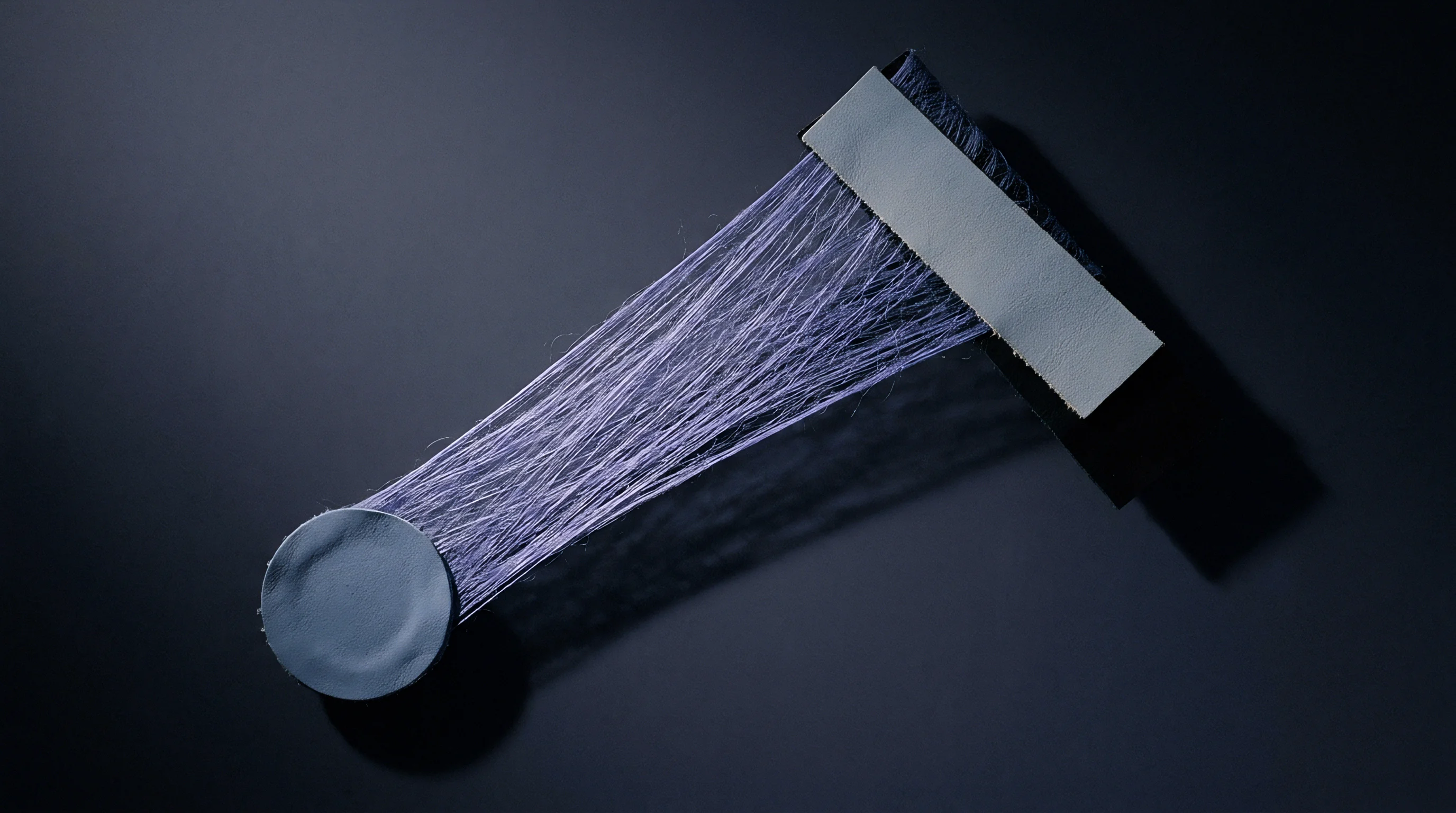
Fine physical filtration prevents suspended polymer micro-particles from entering chromatographic columns. Polyethylene terephthalate fine particles pass through coarse paper filters and enter injection ports, where thermal breakdown occurs inside the liner. Syringe filters utilizing 0.22-micrometer polytetrafluoroethylene membranes arrest micro-fine particulates.
Clean filtrate prevents late-eluting matrix peaks that degrade column stationary phases and alter retention times over extended analytical runs.
- Particulate Column Fouling occurs when unfiltered polymer fines decompose inside the hot injection port liner, creating active sites that adsorb polar target analytes during subsequent runs.
- Stationary Phase Phase Degradation develops when high-boiling synthetic wax components strip liquid stationary coatings from fused silica capillary walls, altering relative retention times.
- Ion Source Contamination accelerates when non-volatile matrix oils deposit onto ion source lenses, reducing ionization efficiency and producing severe signal drift.
- Co-Elution Signal Masking happens when unseparated polymer oligomers produce broad background humps that submerge trace-level target compound peaks.
Extracted chemical solutions require rigorous verification against calibration standards matrix-matched to the fabric polymer type. Standard solutions prepared in pure solvent underestimate signal suppression caused by dissolved dye auxiliaries. Cotton elastane blends contain polyether-polyurea components that co-extract into polar solvents.
Analytical clean-up columns loaded with Florisil remove polar dye molecules without trapping halogenated organic compounds or organophosphorus additives.
Clean solvent extraction isolates additives without breaking synthetic polymer backbones.
Physical filtration mesh pore size directly impacts baseline stability during high-sensitivity liquid chromatography tandem mass spectrometry runs. Oversized filter pores allow colloidal silica or anti-tack agents into the sample vial, causing atmospheric pressure chemical ionization source clogging. Protocol parameters must dictate exact filtration materials to preserve analytical reproducibility across batch retests.
Proper sample preparation resolves matrix interferences before extracts reach the chromatographic instrument.

Resolution
Defensive Retesting and Chromatographic Separation
Resolving disputable screening reports demands a structured analytical hierarchy. When a rapid thermal desorption protocol yields an out-of-specification result, the verification protocol switches immediately to wet extraction methods. The confirmatory workflow validates analyte identity using dual-column liquid chromatography or gas chromatography tandem mass spectrometry with multiple reaction monitoring transitions.
Quantitative values derived from verified liquid extraction supersede rapid pyrolytic screening signals in formal product safety assessments.
- Isolate Raw Swatches by cutting representative samples from the center of fabric rolls, avoiding outer edges exposed to handling lubricants or packaging adhesives.
- Execute Solvent Extraction using tetrahydrofuran dissolution followed by ethanol precipitation to separate structural polymers from target additive chemicals.
- Filter Micro-Particulates through a 0.22-micrometer PTFE membrane filter to safeguard injection ports and prevent in-liner pyrolytic degradation.
- Apply Solid Phase Clean-up over silica gel cartridges to remove residual dyes, finishing agents, and polar matrix additives from the liquid extract.
- Quantify via Tandem Mass Spectrometry using matrix-matched internal standards and monitoring at least two specific mass transitions per target analyte.
Importers facing custom detentions due to rapid screening failures rely on chemical verification dossiers containing complete mass spectra and ion ratio calculations. Gas chromatography coupled with high-resolution time-of-flight mass spectrometry resolves isobaric interferences by measuring mass-to-charge ratios to four decimal places. Differentiating phthalic anhydride fragments from close-mass hydrocarbon degradation fragments requires a mass resolving power exceeding 10,000 full-width at half-maximum.
Confirmatory wet extraction cost remains below five percent of the landed freight value of a held container.
Relying on unverified rapid thermal screening results exposes brands to improper lot rejections, supply chain delays, and unnecessary commercial write-offs.


Exposure

Commercial Risk Pricing and Compliance Dossiers
Unresolved analytical interferences carry immediate financial consequences across cross-border textile operations. Customs authorities utilizing rapid thermal desorption tools at port-of-entry screening facilities issue red-flag detentions based on initial mass spectral matches. Detention fees, demurrage charges, and lab re-testing fees accumulate while a container stands in port facilities.
A single false positive for short-chain chlorinated paraffins under the POPs Regulation EC 2019/1021 can hold up 15,000 kilograms of coated technical textiles for weeks.
| Testing Strategy Type | Turnaround Time Per Lot | Initial Cost Per Sample | False Positive Rate (Dense Synthetic Matrices) | Legal Dossier Defensibility |
|---|---|---|---|---|
| Direct Pyrolysis GC-MS Screening | 0.5 Hours | 45 USD | 14.2 percent | Non-Defensible at Border Audit |
| Standard Liquid Extraction GC-MS | 24.0 Hours | 180 USD | 1.1 percent | Defensible with Limits |
| Dissolution-Precipitation LC-MS/MS | 48.0 Hours | 320 USD | 0.05 percent | Fully Audit-Proof Baseline |
Purchase order agreements must define the specific analytical method governing lot acceptance. Specifying ISO 14362-1 or EN 16711-1 within supply contracts establishes wet chemical extraction as the sole legal baseline for compliance verification. This contract structure prevents mills from passing detention costs back to buyers when screening thermal desorption protocols produce false positive matrix interferences.
Technical data sheets attached to transaction certificates must document both solvent clean-up protocols and chromatographic injection parameters.
Auditors reviewing brand compliance files inspect raw mass spectra data alongside final concentration numbers. When a test report reveals elevated baseline humps or skewed ion ratios, auditors demand verification of column clean-up procedures and matrix spike recoveries. Maintaining a complete traceability dossier containing matrix-matched extraction records protects buyers during retrospective regulatory investigations.
Sample preparation procedures, solvent purity grades, and instrument calibration records form the core of product safety defense files. When rapid screening indicates a non-compliant signal, immediate execution of targeted liquid extraction provides the quantitative certainty needed to clear held shipments and validate supply chain compliance.