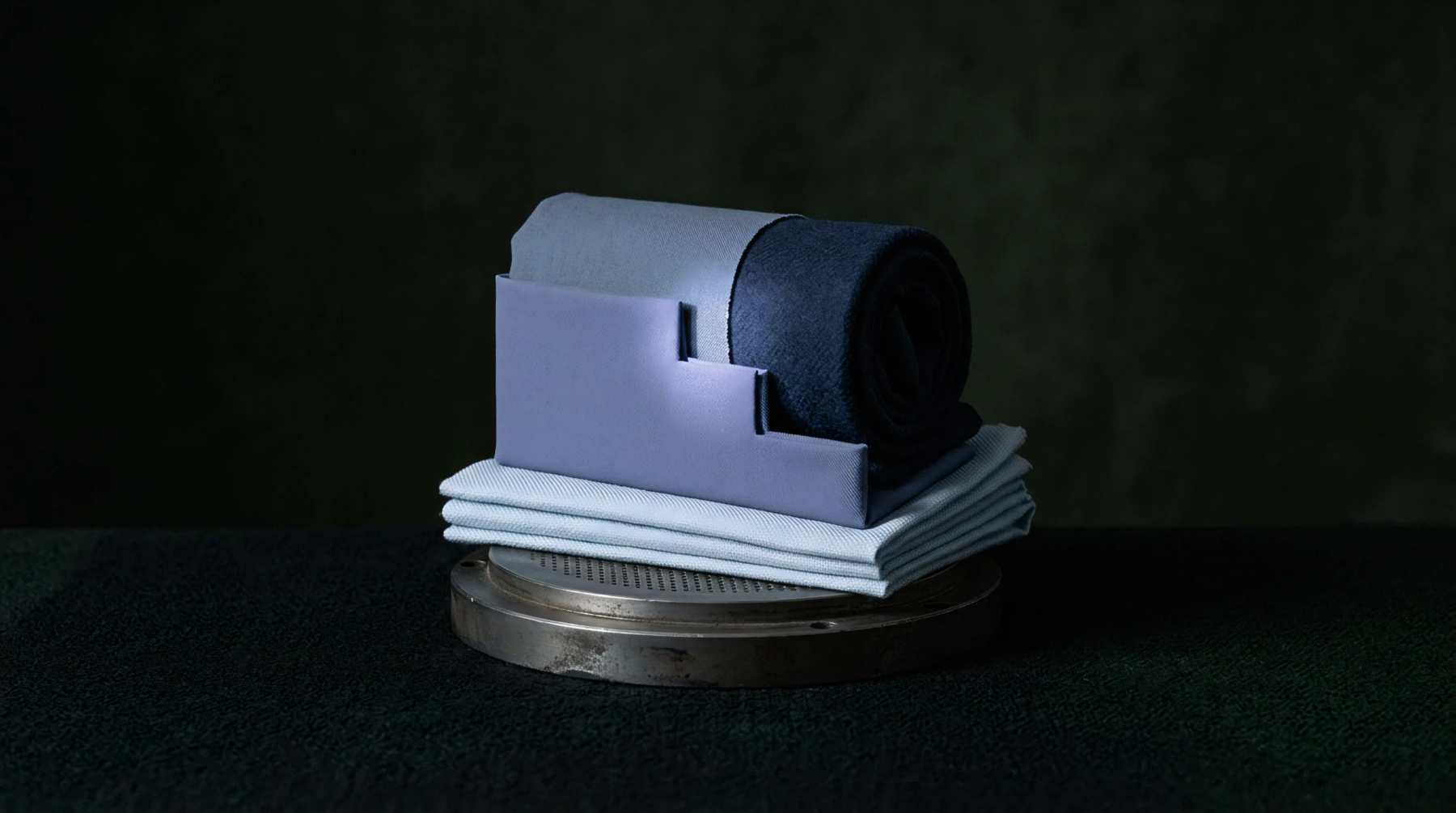
Abrasion Protocol
Abrasion resistance testing on woven apparel fabrics relies on AATCC 93 to simulate surface wear through controlled friction against an abradant wheel under specified vertical force. Commercial laboratories apply this method during pre-shipment inspection to verify that finished garments meet minimum durability thresholds established by brand specifications before goods leave the production floor. Mill auditors evaluate fabric performance by observing yarn breakage or pile loss after a predetermined number of oscillations on the testing apparatus.
Friction Mechanics
A rotating platform drives the specimen against dual abrasive wheels that generate multidirectional shear stress across the material surface during testing. Load weights mounted on the arms of the machine dictate the exact downward pressure exerted on the fabric during every rotation cycle. Operators monitor the degradation rate continuously until fibre pilling or yarn rupture reaches a defined endpoint on the sample face.
Wear Limit
Fabric construction parameters such as yarn twist level, float length and fiber composition directly influence how long a material withstands the mechanical grinding action. Spun yarns display different frictional characteristics compared to continuous filament yarns when subjected to the repeated rubbing forces generated during the assay. Technicians must differentiate surface fuzzing from actual structural failure to assign an accurate degradation grade to the tested textile specimen.
Verification Standard
Brand quality assurance manuals incorporate the numerical ratings derived from this procedure to resolve disputes between garment factories and purchasing offices regarding acceptable delivery quality. Retail buyers reject production lots that fall below the agreed cycle count before visible wear develops on the face of the fabric. Commercial acceptance depends strictly on reproducible test outcomes generated under standard atmospheric conditions in certified textile laboratories.