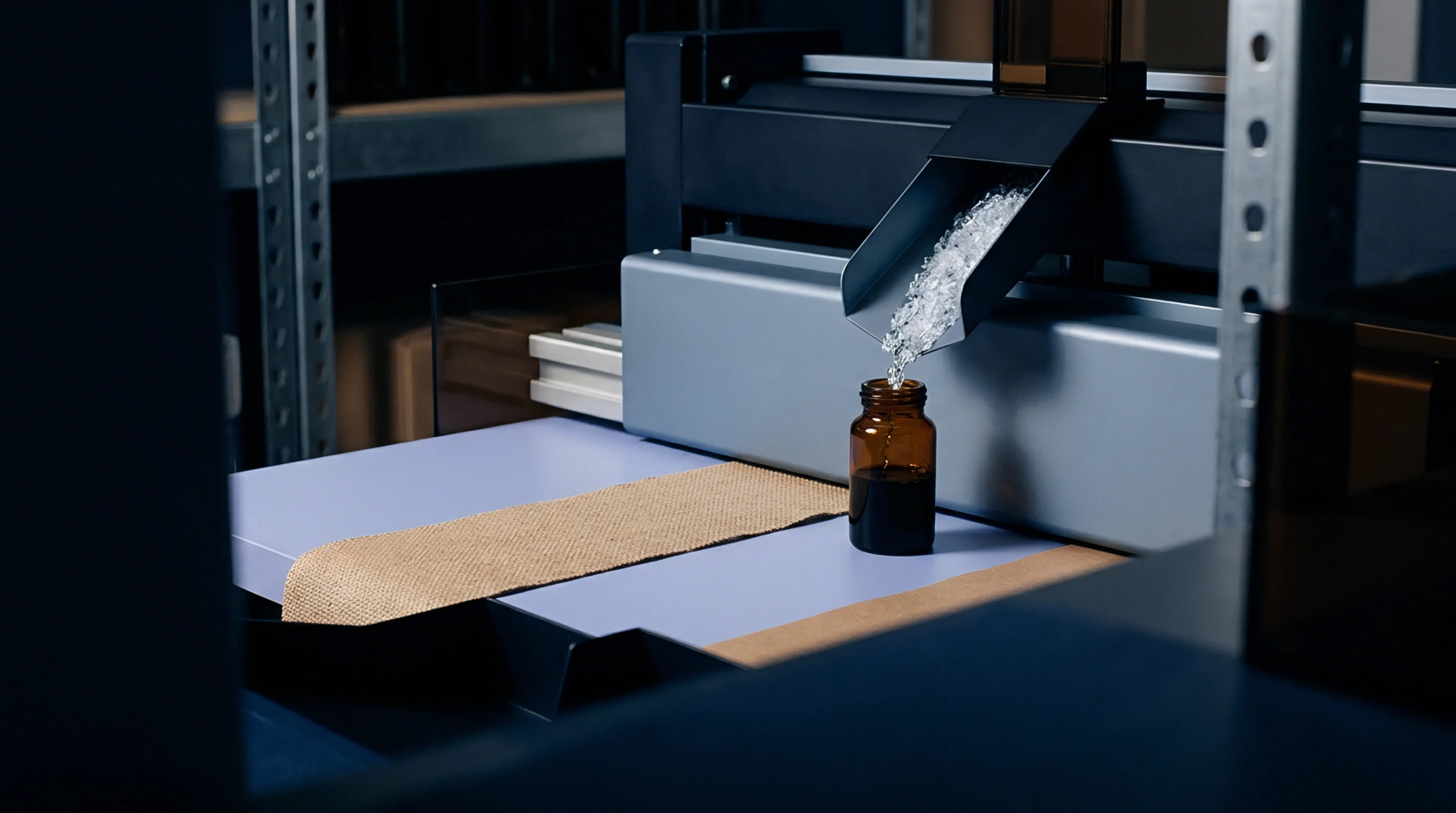
Reaction Mechanism
Quantitative assessment of free and released formaldehyde in textiles depends on a colorimetric reaction with a specific ammonium salt and diketone. This method, known as acetylacetone colorimetry, utilizes the Hantzsch reaction to form a yellow diacetyl-dihydrolutidine compound. The chemical reaction operates under mild conditions, typically at forty degrees Celsius, to avoid further hydrolysis of the finish.
Reagent Chemistry
Active chemicals in this extraction comprise acetylacetone and ammonium acetate in an aqueous medium. A buffered solution maintains a stable pH of six to prevent fabric damage or incomplete condensation. The mixture reacts selectively with aldehyde molecules, producing a stable color density that remains consistent for several hours.
Measurement Process
Spectrophotometric analysis determines the concentration by measuring light absorbance at four hundred and twelve nanometres. Mill technicians compare the sample absorbance against a prepared calibration curve to yield parts per million of formaldehyde. This step verifies that apparel shipments comply with global buyer limits for skin contact, providing a clear pass or fail verdict before the goods leave the factory.
The resulting quantitative data help to adjust curing oven temperatures and washing cycles if residual levels exceed the tolerated threshold.
Industrial Limit
Dry fabrics finished with cross-linking resins are the main specimens subjected to this analysis. The chemical assessment does not measure bound chemicals that remain locked in the cellulose matrix. It terminates its utility when resin formulations contain interfering dyes or heavy chemical finishing agents.