Structural Classification
High-strength structural textiles provide the primary load-bearing surface in permanent tensioned membrane buildings and large-scale modular temporary covers. While standard industrial cloths handle simple loads, architectural fabrics must withstand intense multi-axial tensile forces while maintaining their shape over decades of outdoor exposure. These materials involve a base cloth, often polyester or fiberglass, which provides the mechanical strength required for long spans and complex curves.
A protective coating like PVC or PTFE covers this base to prevent moisture ingress and fiber degradation from ultraviolet light. This material category excludes lightweight decorative hangings or non-structural mesh because it must contribute to the stability of the building. Designers evaluate the fire resistance and light transmission of these fabrics during the early phases of building planning to ensure safety compliance.
Material Construction
Industrial weavers produce base fabrics with specific patterns that influence how the final product handles stress in different directions. Choosing between a polyester base and a fiberglass base depends on the required lifespan and the budget of the commercial project. Polyester options offer flexibility and lower costs, making them suitable for structures that need to be folded or moved during seasonal changes.
Fiberglass provides superior fire resistance and a longer life but requires a more rigid installation process to avoid fiber breakage during handling. A mill must certify that the yarn tenacity meets the architectural requirements before the coating process begins. The density of the weave, expressed in yarns per centimeter, determines the amount of polymer required to achieve full encapsulation of the fibers.
Performance Verification
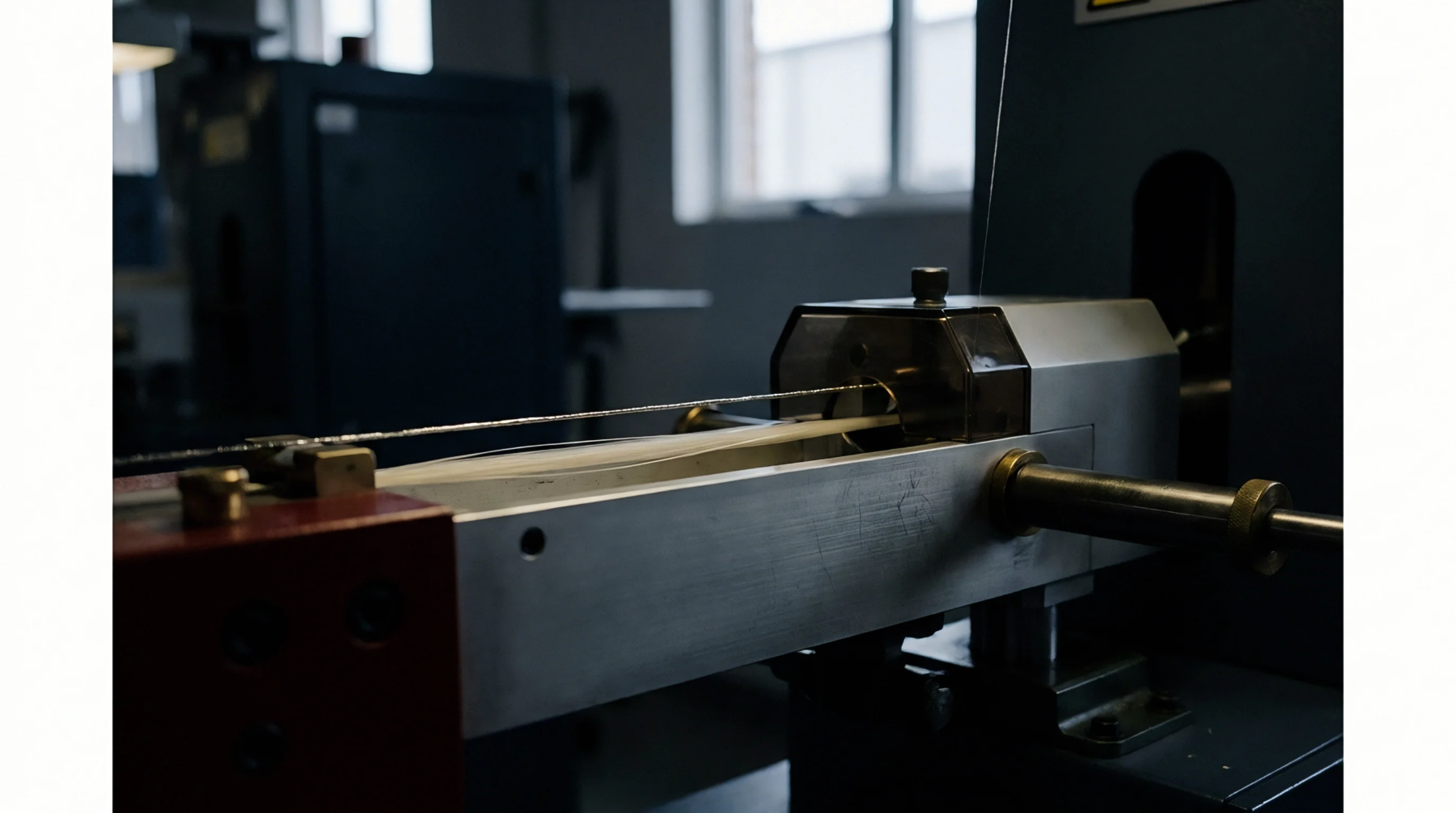
Laboratory technicians perform strip tensile tests to confirm that the architectural fabrics can handle the calculated loads of a specific building design. This verification involves pulling a sample until it breaks and recording the force required to reach that failure point. Weldability is another metric that requires attention, as the seams between fabric panels must be as strong as the material itself.
If the coating is too thin or uneven, the heat-sealing process will fail to create a permanent bond between the overlapping sheets. Inspectors check for coating consistency across the entire width of the roll to ensure uniform performance across the finished installation. Adhesion testing measures the force required to peel the coating away from the base fabric, which indicates how well the material will resist delamination in high winds.
Environmental Resistance
Long-term durability depends on how the surface treatment resists environmental pollutants and biological growth in humid climates. Acrylic or PVDF topcoats are often applied to architectural fabrics to create a smooth surface that allows rain to wash away dirt naturally. This self-cleaning property is essential for maintaining the aesthetic appearance and light-transmitting qualities of the structure over twenty years or more.
The effectiveness of these treatments decreases if the surface is abraded during installation or improper maintenance. In regions with high snowfall, the fabric must also resist the static weight of accumulation without stretching beyond its elastic limit. Specific cleaning protocols prevent the premature degradation of the protective layers and the structural failure of the membrane.