Fiber Composition
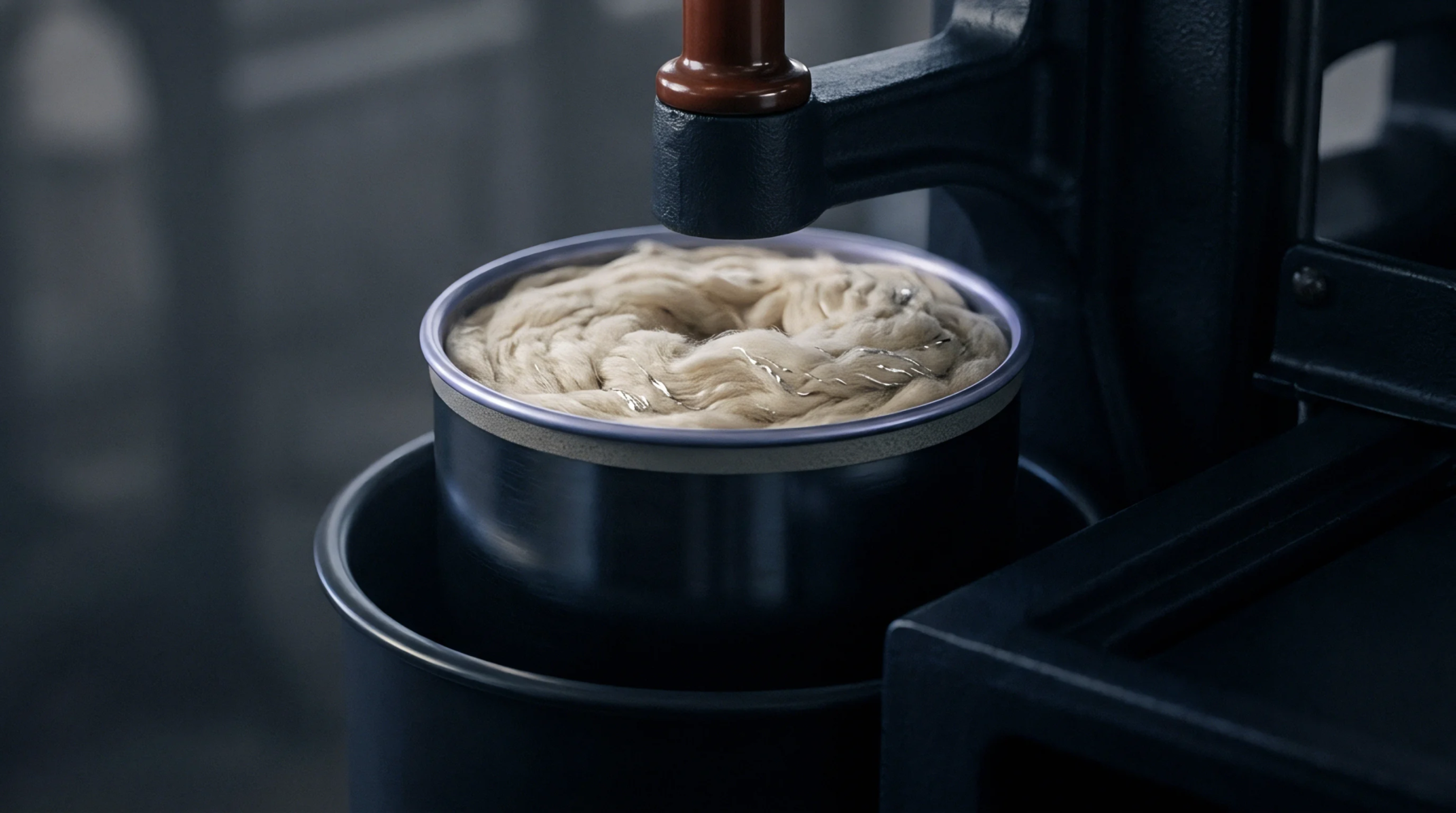
Textile composition involving two distinct fiber types provides customized functional and aesthetic properties to woven and knitted structures. Spun from intimate mixtures of natural and synthetic materials, a binary yarn blend combines the breathability of cotton with the tensile strength of polyester. This structural combination allows spinners to balance material cost with fabric durability for volume garment manufacturing.
Physical Performance
Mechanical properties of finished fabrics depend heavily on the proportion and distribution of the two constituent fibers. The secondary fiber often improves dimensional stability, reducing shrinkage during subsequent wash cycles. For instance, adding small amounts of elastane to cotton improves recovery without compromising the soft hand of the yarn.
Quantitative Analysis
Chemical extraction verifies the actual composition percentages of the shipment against the purchase specifications. Technicians use selective dissolution to dissolve one fiber class while leaving the other intact, measuring the weight loss to calculate the blend ratio. For a cotton and polyester mixture, boiling the sample in seventy percent sulfuric acid dissolves the cotton, allowing the technician to weigh the remaining polyester residue.
The measured ratio must remain within a tolerance of three percent of the nominal specification.
Production Control
Factory inspection monitors the blending stage to prevent color variation during subsequent dyeing processes. Irregular distribution of fibers creates streaks and patchy dye uptake because different fibers require separate dye groups and temperatures. Quality audits verify the mixing process before yarn spinning to avoid costly batch rejections.