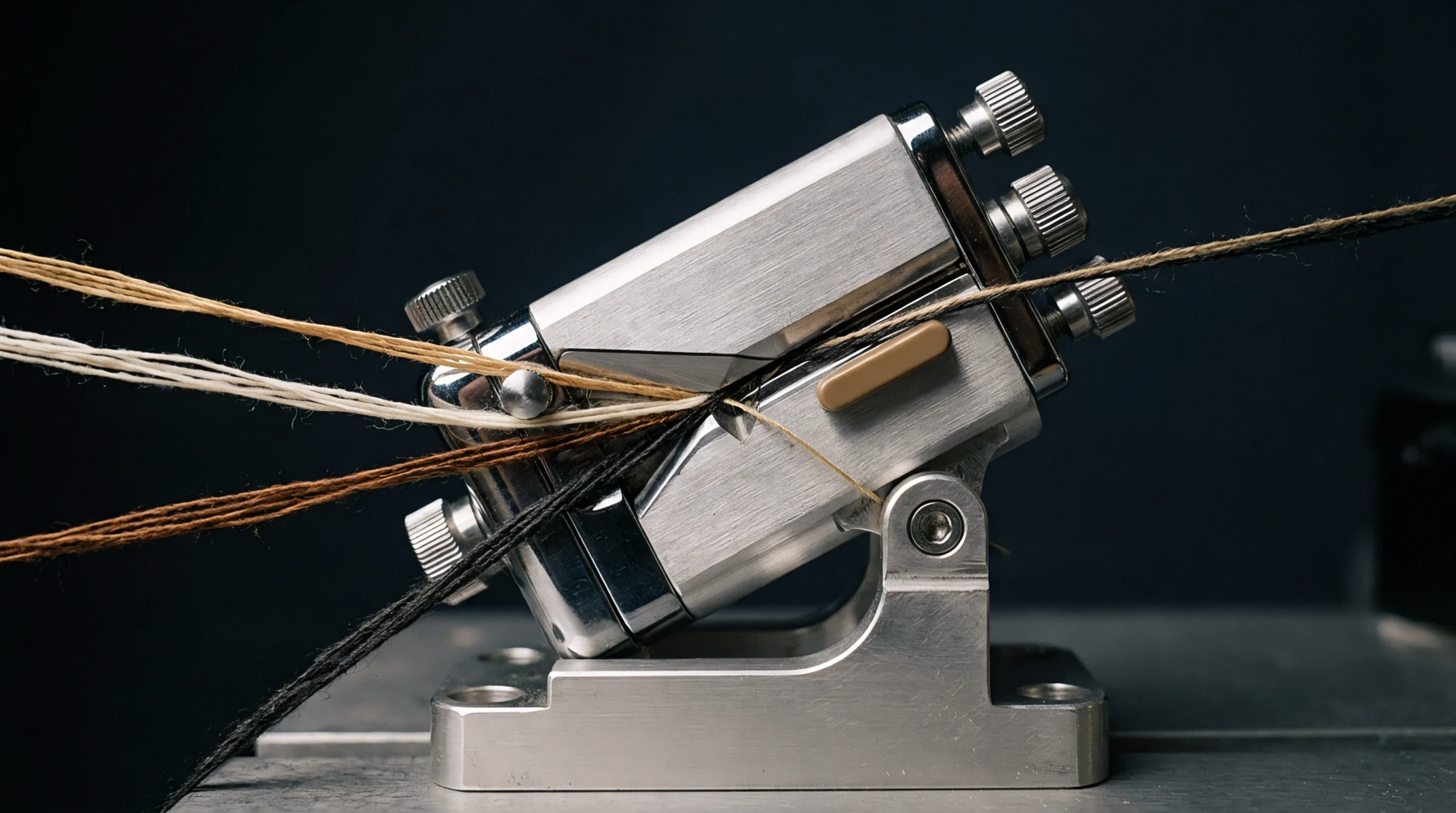
Divided Protocol
Division of a single physical textile specimen into anonymized sub-samples provides an unbiased verification method across independent testing facilities. In commercial quality assurance, blind split sampling prevents laboratory bias by concealing sample identity and origin during fibre analysis or colorfastness testing. Standard laboratory procedures require homogenizing bulk material prior to division so that each portion retains identical physical properties.
The protocol stops at physical specimen division and does not govern analytical testing methods applied downstream.
Bias Suppression
Masking commercial origin prevents testing personnel from adjusting instrument parameters or subjective evaluations to favour a mill or buyer. When mills submit yarns for tensile strength testing, blind split sampling ensures that lab technicians evaluate both reference specimens without prior knowledge of mill identities. Unbiased data emerges from this separation.
Test facilities receive code-numbered containers, processing the specimens under uniform environmental controls according to standardized test protocols.
Discrepancy Threshold
Comparative variance between paired test results reveals systematic equipment calibration errors or operator variations. When numerical deviations between anonymized specimens exceed acceptable tolerance limits, retesting becomes mandatory under contract terms.
Commercial Enforcement
Contractual agreements in apparel procurement rely on dual-lab verification to settle disputes regarding fibre composition or chemical residues. Contracting parties agree to abide by the arithmetic mean of the split results when individual laboratory metrics remain within pre-agreed tolerance margins. Rejection of entire fabric shipments occurs when both blind samples fail mandatory compliance limits.