Chemical Finish
Short-chain fluorinated polymers applied to fabrics provide a durable liquid repellency against water and oils. Applying a c6 fluorocarbon dwr creates a low energy surface that causes liquids to bead rather than penetrate the textile structure. This specific chemistry utilizes six carbon atoms in its molecular backbone to reduce the environmental persistence associated with older long-chain alternatives.
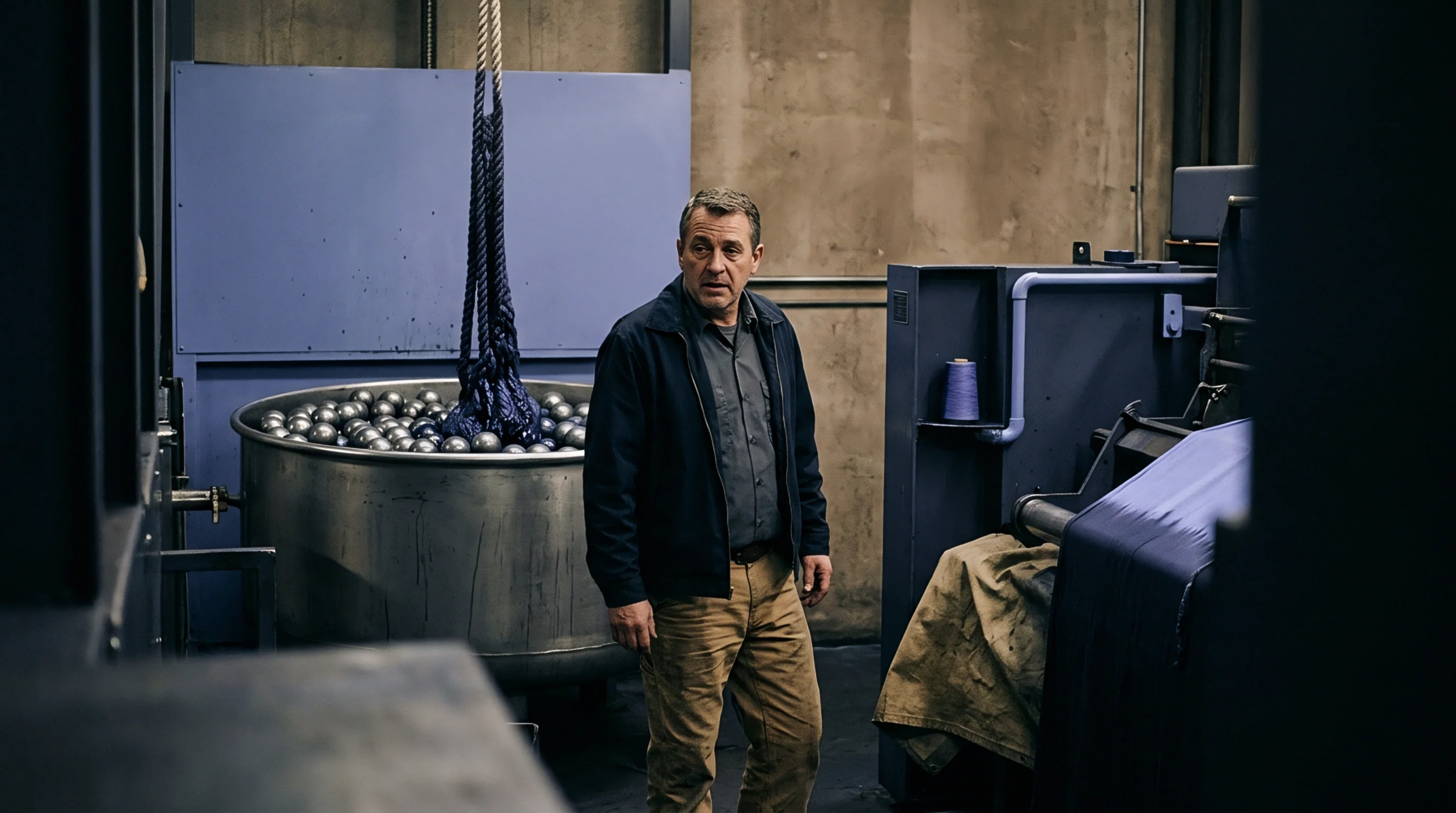
Commercial application occurs during the final finishing stage where the fabric passes through a chemical bath and then undergoes high temperature curing to bond the repellent to the fibres.
Surface Performance
The effectiveness of the finish depends on the orientation of the fluoroalkyl chains on the outer layer of the material. When a c6 fluorocarbon dwr is properly cured, the tails of the molecules point outward to create a barrier that resists penetration from raindrops and stains. Synthetic fibres such as polyester and nylon demonstrate the highest affinity for these finishes because the chemical structure aligns well with the smooth surface of the filaments.
Sustainability Shift
Global regulations now prioritize chemicals with shorter molecular chains to minimize the bioaccumulation of perfluorinated compounds. Moving to a c6 fluorocarbon dwr represents a transition toward chemistries that break down more readily in the environment compared to c8 predecessors. While the water repellency remains comparable, the oil resistance is slightly lower, which necessitates precise formulation to meet industrial requirements.
Verification Protocol
Standardized tests like the AATCC 22 spray rating measure the durability of the repellent effect after multiple laundry cycles. A high grade for c6 fluorocarbon dwr indicates that the fabric surface remains dry under a controlled water spray. Independent laboratories verify these claims to ensure the finish meets the performance specifications required for technical outerwear.