Process Definition
Mechanical pressure applied between heated rollers reduces the thickness of a textile structure while increasing its surface density. High roller forces in calender consolidation alter the alignment of yarns and flatten the surface of the fabric. This treatment forces the structural elements closer together, which diminishes permeability.
Mechanical Action
Thermal energy combined with compressive force softens thermoplastic fibres to lock them into their new configuration. The operation of calender consolidation relies on precise control of temperature, pressure and speed. If the temperature is too low, the deformation is temporary, whereas excessive heat can melt the polymer and weaken the material.
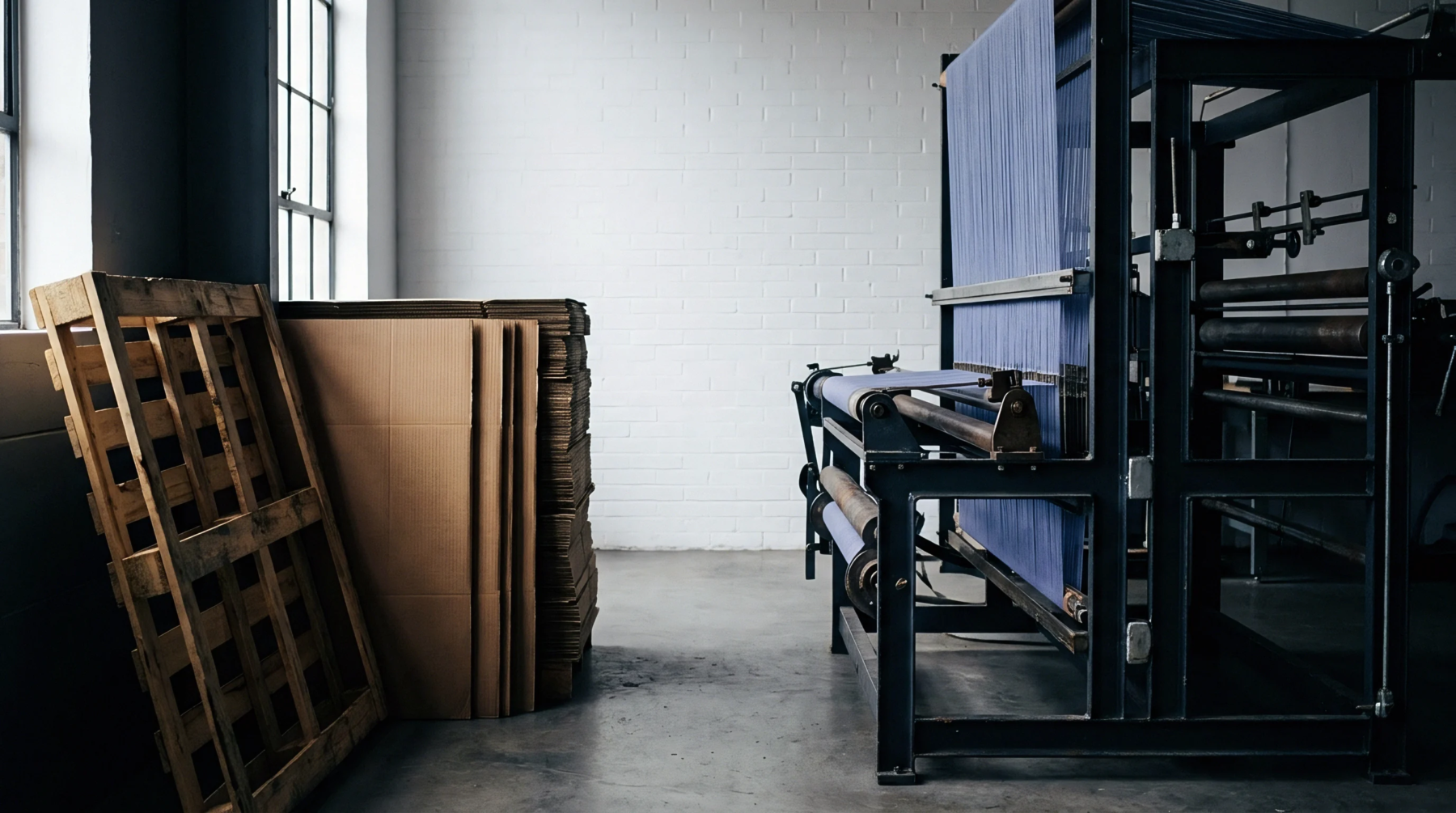
Fabric passes through the nip where it undergoes rapid compression.
Production Influence
Structural changes from this treatment alter both the hand and performance of the completed material. For instance, calender consolidation is used to optimize the filtration efficiency of nonwoven webs by narrowing the pore size distribution. It also improves the gloss and smoothness of fabrics, which is a major factor in commercial acceptance.
The procedure is typically performed at the final stage of finishing before inspection.
Operational Limit
Excessively high pressures can degrade the mechanical properties of the textile. At the boundary of calender consolidation, fibres may experience crushing or shearing, which significantly reduces the tensile strength. This effect is especially critical in high-tenacity technical textiles where strength retention is paramount.