Biological Classification
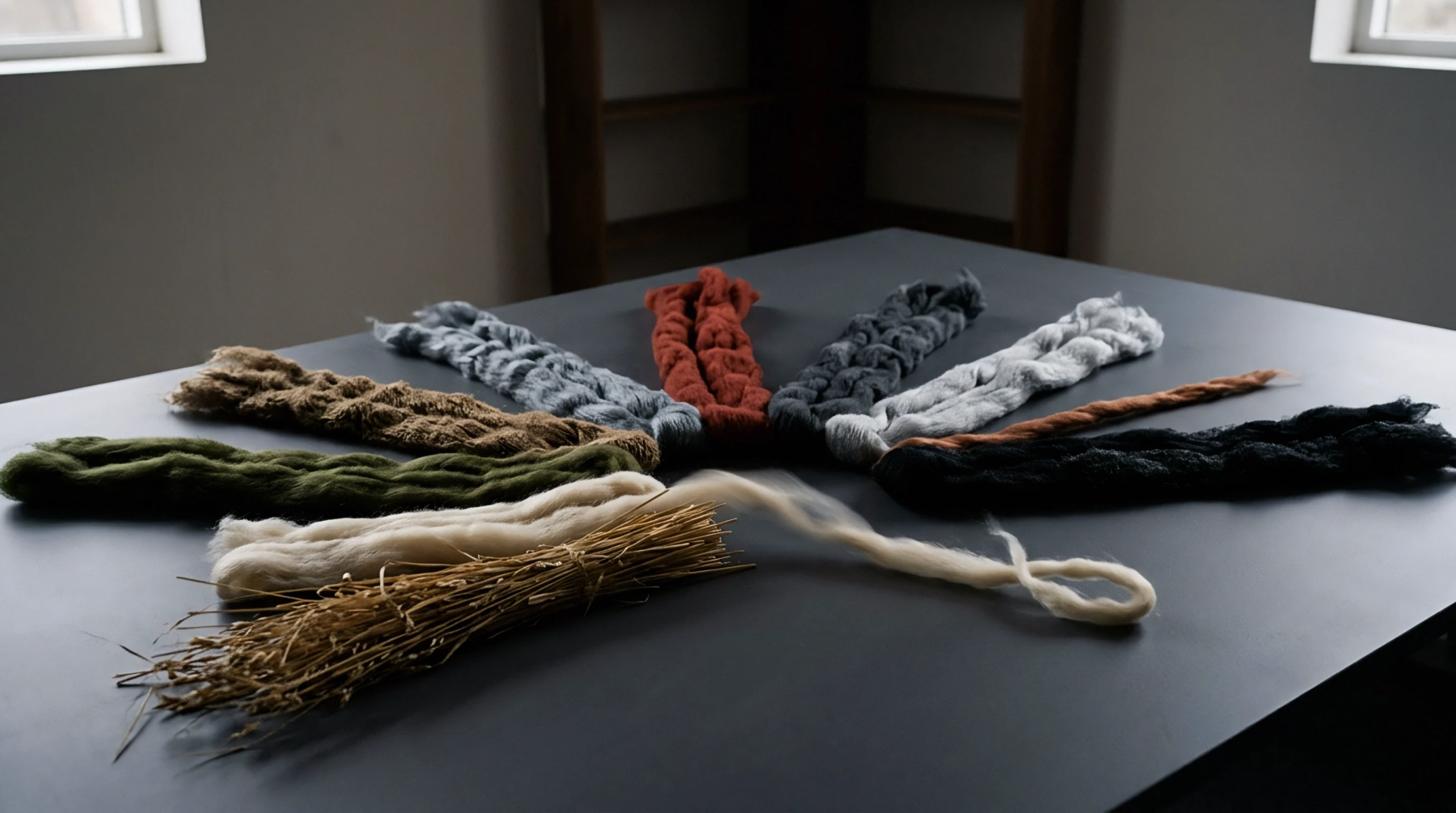
Hair production derived from camelus dromedarius utilizes the undercoat gathered during the natural molting phase of the animal. This species provides a soft downy fibre typically collected from desert environments where traditional livestock grazing reaches limits. Mechanical processing separates the coarse guard hairs from the fine downy insulating layer before spinning.
Quality control stations assess the average diameter measured in microns to grade the batch for commercial spinning.
Physical Measurement
Grading protocols focus on the thermal insulation properties offered by camelus dromedarius fibres through specific analysis of crimp frequency. Mills verify these metrics using optical projection microscopes to confirm the uniformity of the diameter across the sample lot. High variance in fibre thickness indicates contamination with coarser guard hairs which reduces the market value of the raw material.
Industrial Processing
Sorting stages for camelus dromedarius involve blowing machinery that removes heavy dust and sand particles acquired during collection. Dehairing equipment follows this stage to extract the valuable fine hair from the discarded coarse outer coat. Production lines maintain strict humidity levels to prevent static discharge that hinders the separation of these light fibres.
Market Valuation
Economic standards for camelus dromedarius value the limited annual yield compared to common wool varieties. Scarcity drives the price point higher for unbleached natural tones that avoid chemical processing. Manufacturers prioritize the superior warmth to weight ratio when selecting materials for high end luxury knitwear.
Proper sourcing ensures the integrity of the fibre remains intact throughout the scouring cycle.