Tooth Density
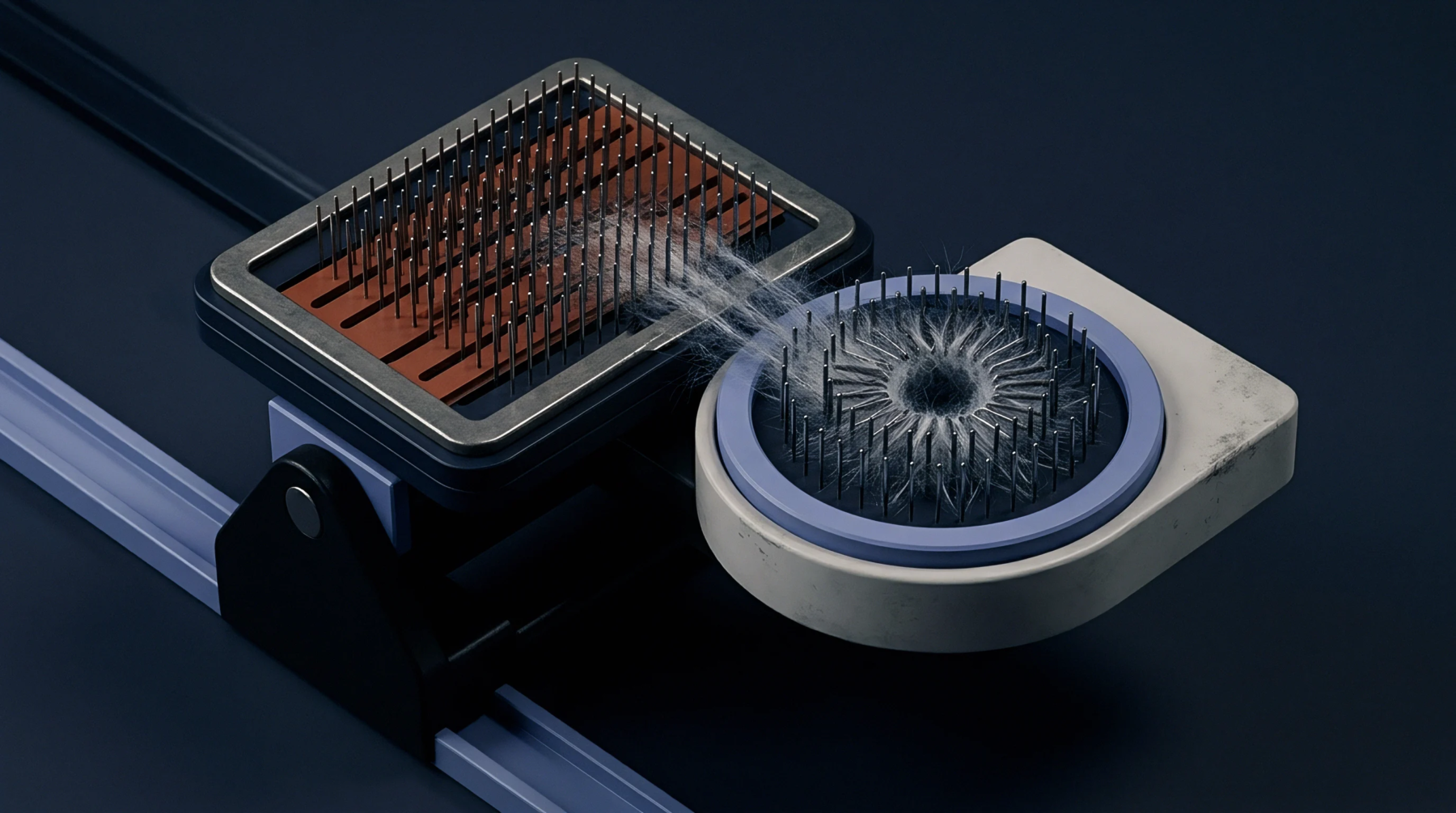
Card clothing functions as the primary mechanical interface in a textile mill during fibre opening and parallelisation, where flexible or metallic tooth arrays mounted on heavy cylinders draw raw stock into uniform webs before spinning. High density wire configurations process fine cotton varieties, whereas coarse metallic foundations handle heavy synthetic tow during initial carding. Mill engineers select tooth angles based on staple length limitations, ensuring that aggressive hook geometries detach immature impurities without snapping valuable natural filaments.
Foundation Integrity
Base materials must withstand immense centrifugal forces and continuous tensile stress inside high speed revolving flat carding machinery. Heavy duty multi ply cotton and synthetic rubber composites anchor the metallic teeth firmly, preventing deflection during continuous multi shift operation. Foundation thickness dictates operating clearances between the cylinder and stationary flats, directly influencing web purity and sliver uniformity across the entire working width.
Wire Profile
Cross sectional geometry dictates how effectively individual points penetrate entangled mass and release cleaned webs to the doffer cylinder. Serrated working flanks hold staple fibers securely during drafting zones, while smooth back angles facilitate clean stripping action at high rotational speeds. Wear patterns on working edges indicate when mechanical grinding intervals must occur to restore original penetration capabilities prior to bulk production runs.
Wear Tolerance
Operational longevity depends heavily on alloy composition and proper heat treatment depth along the working tips of the wire points. Excessive friction against abrasive synthetics generates localized thermal degradation, reducing useful service life before mechanical replacement becomes economically necessary for the processing line. Regular inspection under high magnification identifies premature rounding, protecting the downstream spinning preparation stages from recurrent web defects and excessive nep formation.