Machine Parameter
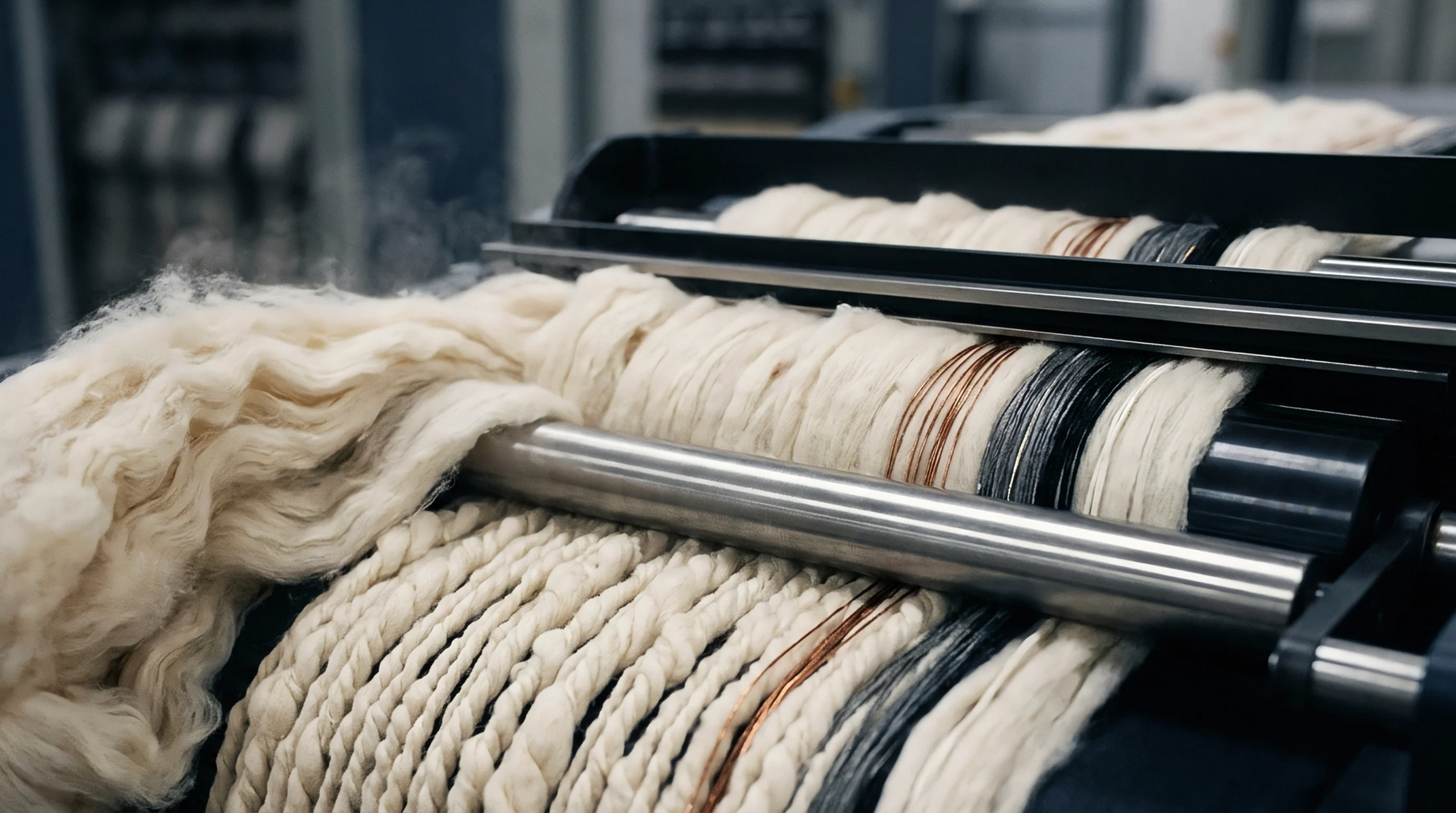
Card flat strip waste extraction constitutes an adjustable mill setting that governs the removal rate of short fibres and neps during the carding process. Mechanical clearing devices draw away cotton waste from the rotating cylinder flats before the web forms. Mill operators adjust knife positions to capture low quality lint while retaining desirable staple lengths for subsequent ring spinning operations.
Raw cotton bales contain varying trash content that demands constant calibration of the suction hoods. Commercial contracts specify precise limits on total waste percentages harvested at this stage to prevent excessive fibre loss. Bulk production runs depend entirely upon this initial cleaning action to maintain yarn uniformity and tensile strength targets.
Extraction Limit
Higher vacuum settings increase impurity removal but simultaneously pull usable lint into the collection chambers. Technicians measure waste weight daily against incoming bale specifications to control material costs. Excessive clearing reduces overall mill output efficiency by discarding fibres that belong in the sliver.
Insufficient suction leaves botanical trash inside the web which causes yarn breakage downstream during high speed weaving. Quality assurance teams inspect card room outputs visually to detect irregular clearing patterns across the cylinder width. Spinning mills establish internal thresholds for acceptable waste composition based on raw material grades and yarn count specifications.
Byproduct Grade
Collected residues consist primarily of short fibres, seed coat fragments and foreign matter separated from the main cotton stream. Textile processors bale these low grade materials separately for sale to non woven manufacturers or open end spinning facilities. Short staple lengths prevent byproduct integration into premium carded yarns without risking uneven fabric texture.
Buyers evaluate waste samples for trash content and average fibre length before negotiating purchase prices for industrial applications. Secondary processing lines transform the collected material into absorbent cotton products or low grade insulation felts. Market demand fluctuations alter the financial return generated by these secondary outputs without changing their physical characteristics.
Calibration Metric
Technicians evaluate card performance by calculating the exact ratio of extracted waste weight to total feed weight over a specific operating hour. Laboratory tests on sliver samples verify that the cleaning action removes targeted impurities without damaging surviving staple structures. Production supervisors review these ratio figures during shift changes to maintain consistent mill profitability.
Variations in raw cotton humidity alter the separation efficiency of the mechanical knives and demand immediate mechanical adjustment. Correct calibration prevents premature wear on cylinder wire points caused by accumulated foreign debris. Final fabric hand feel depends directly upon the precise execution of this early cleaning stage.