Byproduct Generation
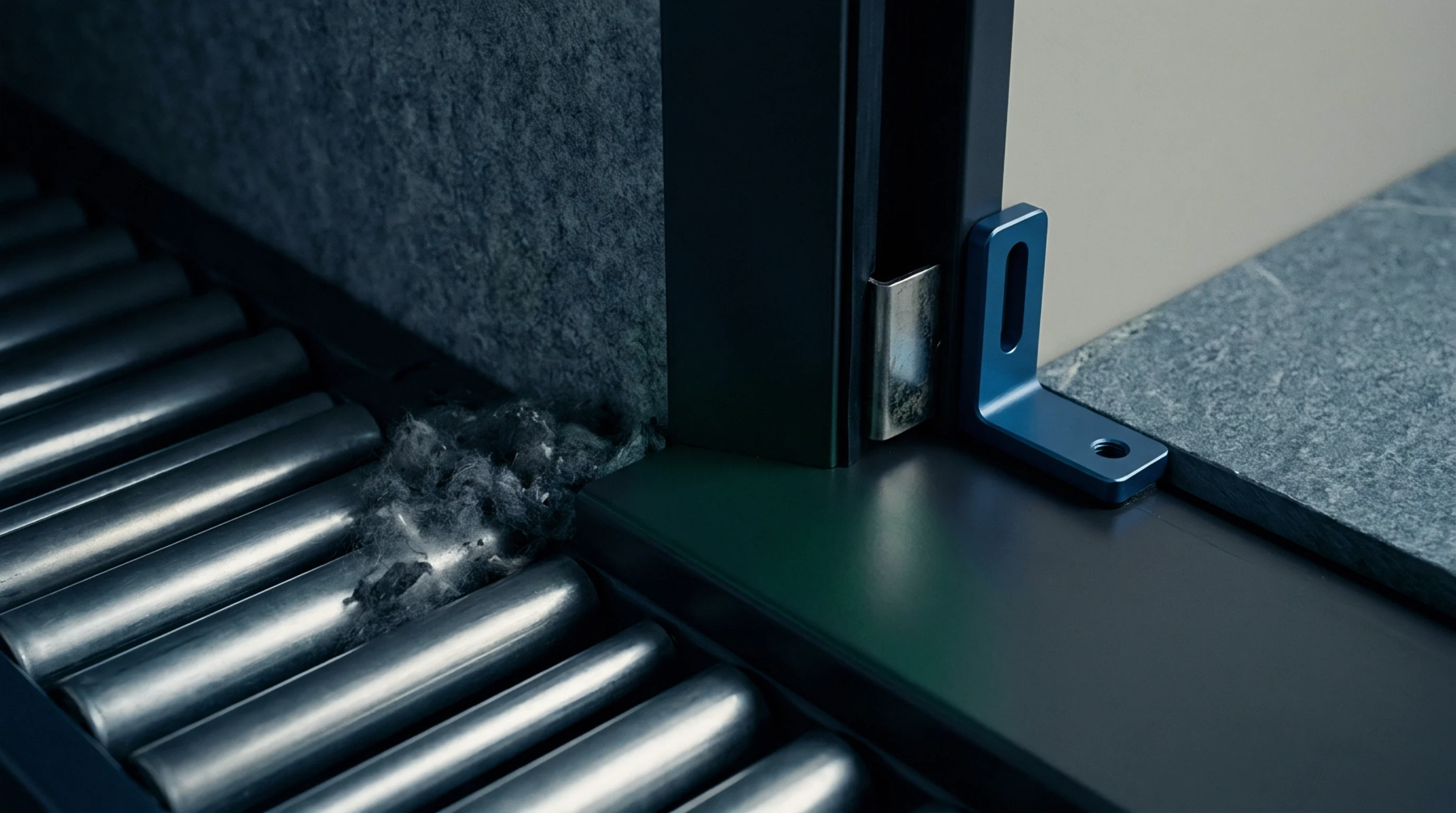
Airborne release of short, unattached fibres and microscopic debris from carding rollers represents a continuous material loss in yarn preparation facilities. This carding fly waste occurs because the high-speed mechanical action of the card clothing releases loose fibres that cannot be retained by the wire teeth. Dust and short lint are ejected into the surrounding air or settle beneath the machine frame.
Collecting this material is necessary to maintain a safe and clean working environment.
Pneumatic Extraction
Automated vacuum suction units positioned beneath the cylinders constantly draw the falling waste away to prevent it from re-entering the fibre stream. These systems transport the debris to a central filtration room where the heavier particles are separated from the fine dust. If the collection hoods are not positioned correctly, accumulating waste can form dense clumps that may fall back into the active card, causing thin or thick spots in the processed sliver.
Regular suction maintenance is essential to prevent machine downtime.
Fibre Recovery
Recovered material is classified by fibre length and contamination level to determine if it can be recycled or must be discarded. While very short dust and broken pieces are sent to agricultural or industrial disposal, longer cotton or wool fibres can be blended back into coarse yarn production. This blending helps mills reduce their raw material costs without compromising yarn quality.
Some plants process the fly waste into nonwoven mats used for sound dampening or thermal insulation.
Spinning Impact
Excessive generation of short waste often signals problems with fibre lubricity, room humidity, or incorrect machine settings. When dry fibres pass through the carding zone, static electricity pushes them away from the wire teeth, creating high waste levels. Adjusting the relative humidity of the room or applying a liquid lubricant to the raw stock can reduce the generation of fly waste.