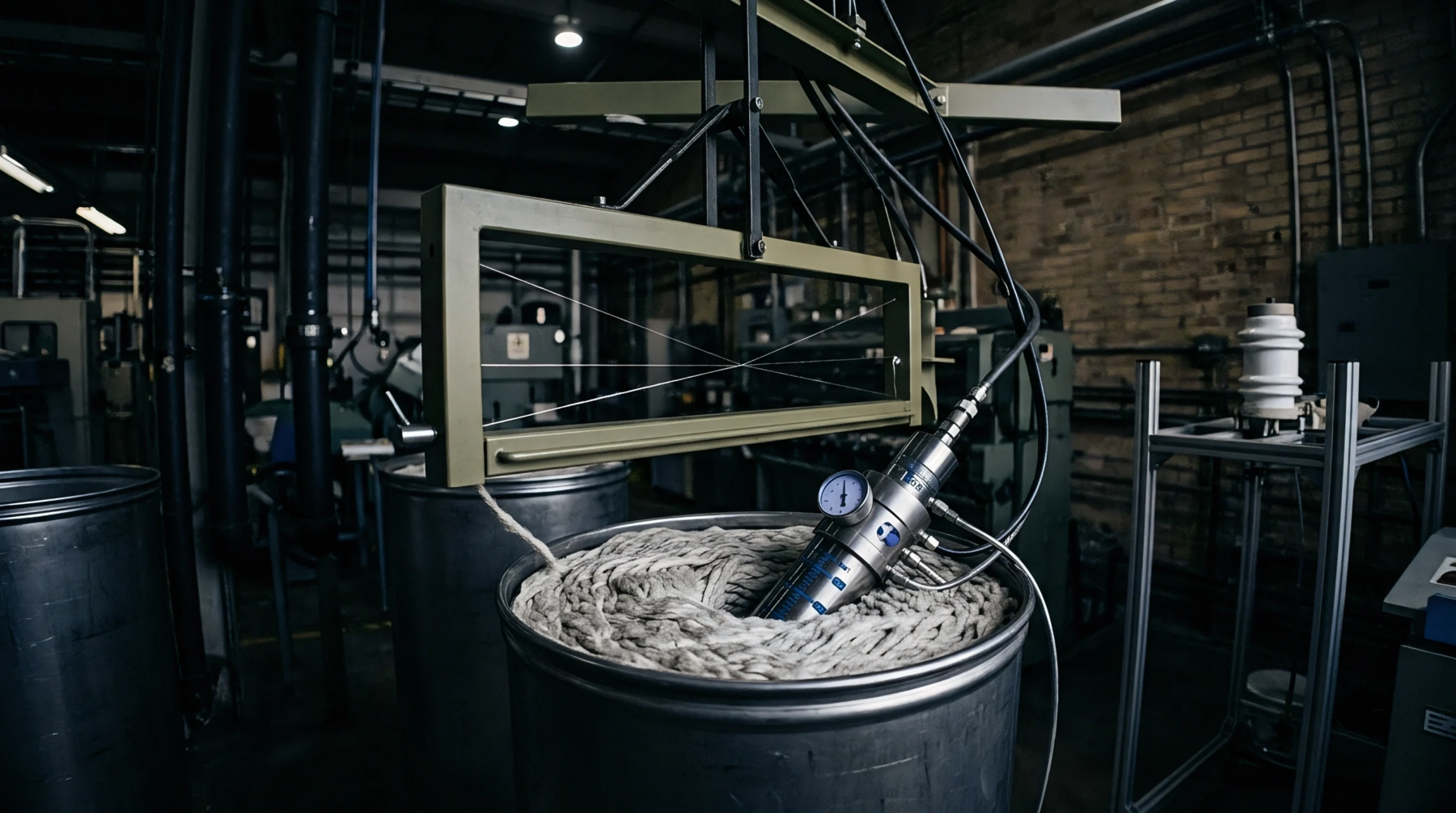
Scouring Procedure
Alkaline cleaning solutions remove natural waxes and pectin from raw cotton fibres during this chemical boil out protocol. Sodium hydroxide concentrations fluctuate based on the specific mass of the textile load to ensure complete extraction of non-cellulosic impurities. High temperatures maintained under pressurized conditions facilitate the rapid breakdown of hydrophobic substances.
Proper execution prevents uneven dyeing or finishing issues in subsequent production stages.
Reaction Kinetics
Thermal energy accelerates the saponification process by allowing reagents to penetrate the dense structure of a yarn bundle. Diffusion rates depend on the viscosity of the liquor and the degree of fibre swelling achieved inside the vessel. Constant circulation distributes the chemical agents uniformly across all fabric layers to avoid spot formation or localized damage.
Process Requirements
Steam injection regulates the internal temperature to reach specified levels for a predetermined duration. Vessels operate within a sealed environment to prevent solvent evaporation and maintain the necessary chemical pressure. Technicians calibrate sensors to monitor pH and thermal levels throughout the operation because precise control determines the moisture regain of the final product.
Quality Verification
Laboratory analysis of the treated fibre confirms that residual fat and wax content falls below established threshold limits. Extraction tests measure the absorbency rate of the material to confirm that the substrate accepts dye molecules without resistance. Effective removal of contaminants produces a clean surface ready for optimal bonding with reactive chemical agents.