Dyeing Method
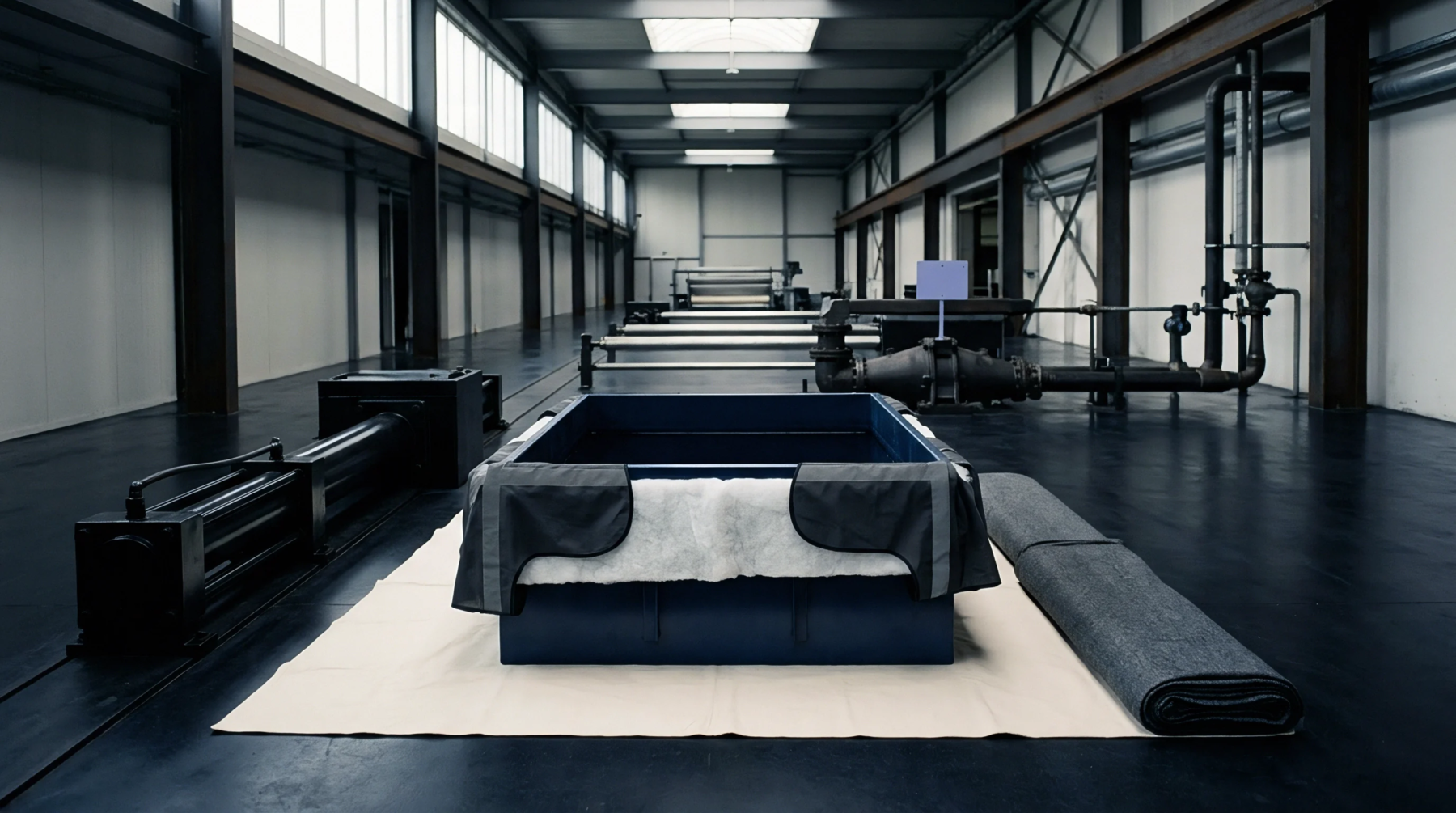
Industrial wet processing of woven fabrics relies on open-width application of liquid chemicals through a pair of squeeze rollers. Continuous padding executes this process by submersing the moving fabric in a chemical bath and immediately expressing excess liquid. The method maintains a constant speed to prevent variation in the treatment.
Liquor Pressure
Roller pressure determines the volume of liquid retained by the textile after passing through the nip. In continuous padding, the roller configuration provides uniform squeeze across the full width of the fabric. This uniform squeeze is necessary to prevent color shading between the center and the edges.
Process Variable
Chemical concentration in the pad bath must remain constant during the entire production run. Because fabric can absorb chemicals faster than water, a phenomenon called tailing can occur, which reduces the chemical concentration. Continuous padding addresses this risk by utilizing a small bath volume with a rapid turn-over rate.
This ensures that the concentration of dye or finish remains stable from the beginning of the run to the end, preventing shade drift.
Fabric Pick
The wet pickup percentage expresses the weight of liquid retained relative to the dry weight of the textile. Continuous padding relies on this value to calculate chemical consumption and dry rates. Accurately measuring this pickup is a central step in factory quality control.