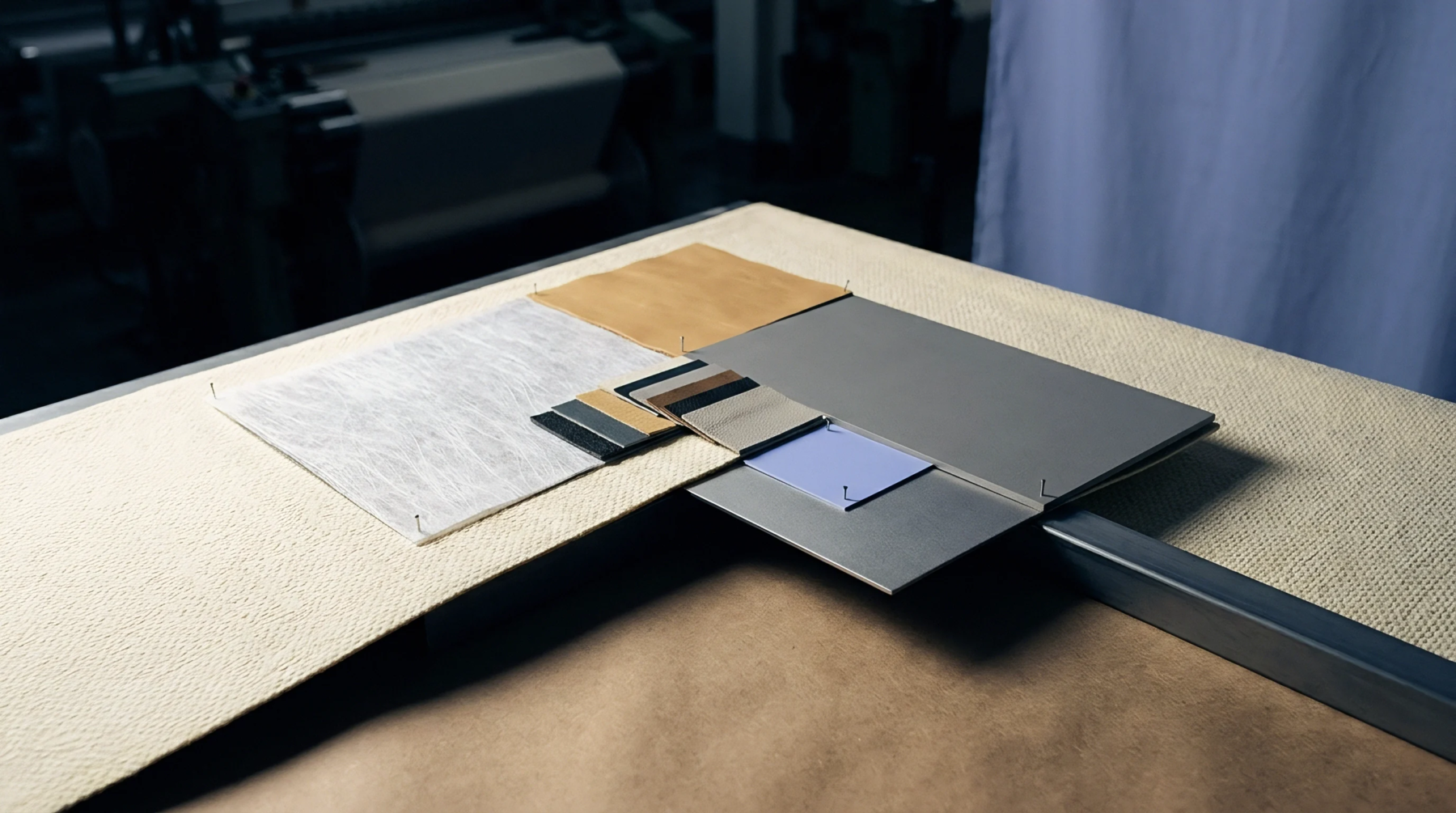
Distribution Pattern
Lateral variation in the density of applied chemicals or dyes across the width of a running fabric roll is a critical quality variable in industrial textile finishing. This cross-web concentration gradient occurs when liquid finish or dye liquor is unevenly distributed across the textile during padding or coating operations. If the variation is too high, it leads to side-to-side color shading or inconsistent water repellency across the roll width.
Mechanical Cause
Variations in nip roll pressure or uneven spray nozzle wear typically drive this phenomenon in continuous finishing lines. Deflection in padder rolls under high pressure causes more finish to remain in the center of the web than at the edges. Adjusting the liquor delivery rate across individual spray zones or utilizing crown-compensated rollers offers a reliable corrective path during high-speed runs.
Extraction Method
Laboratory checks occur through cutting strip samples from the left and right zones of the fabric roll for chemical extraction or colorimetric evaluation. Continuous in-line sensors also monitor moisture or chemical pickup across the web in real time. Standard operating limits usually restrict the lateral discrepancy to under two percent of the target chemical load.
Quality Consequence
Severe shade variation or uneven functional performance destroys the commercial value of finished garments when panels from different parts of the roll are sewn together. This unevenness yields visible color bands. Consistent cross-web application ensures uniform performance from edge to edge.