Machine Setting
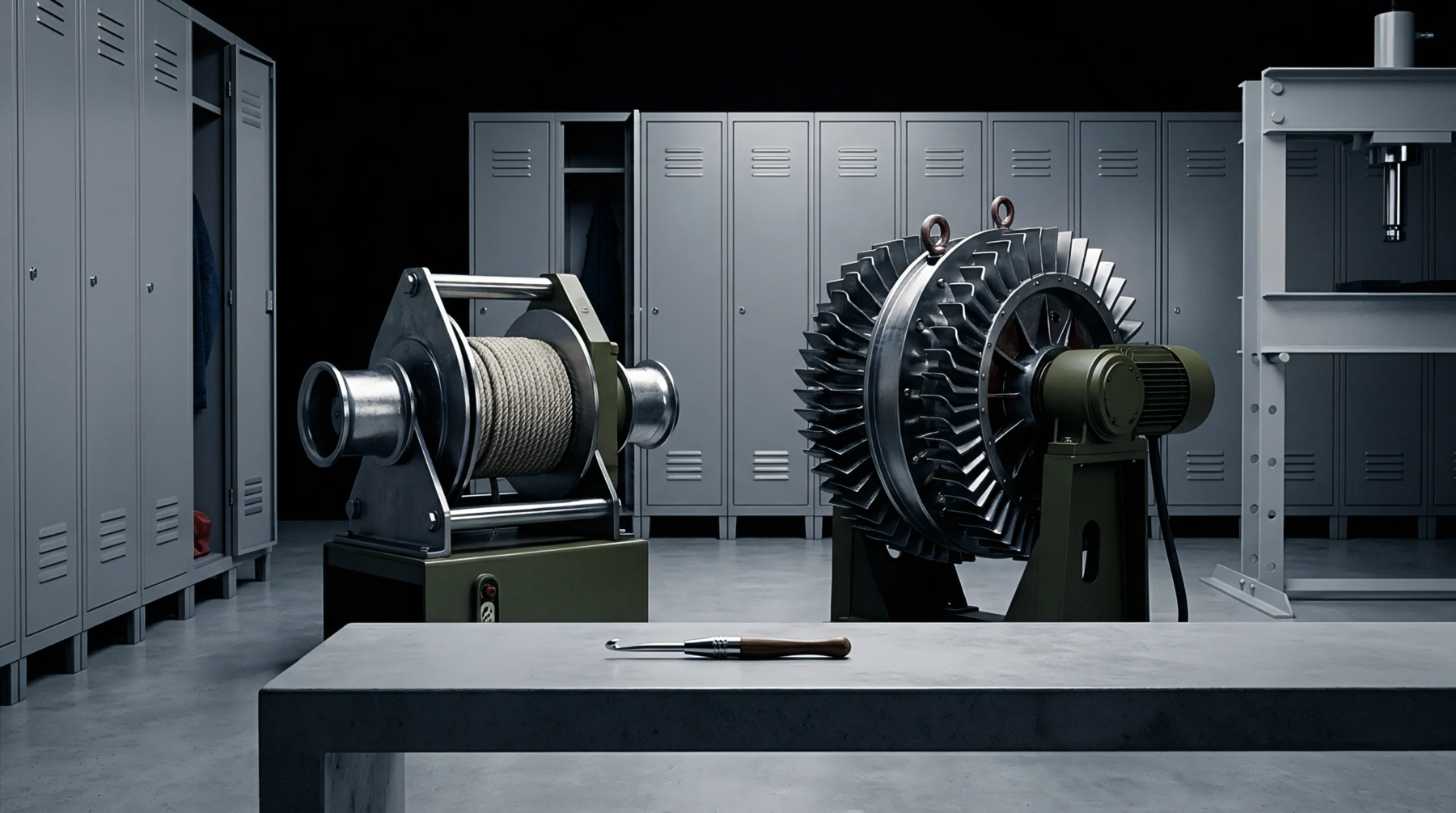
Mechanical gap settings in yarn preparation machinery dictate the selective removal of shorter fibers from the combed sliver. The detaching distance determines the boundary of fiber length distribution by controlling how far the nippers sit from the detaching rollers. This setting determines which fibers are gripped and which are removed.
Fiber Fraction
Machine operators adjust the spacing between the nippers and the detaching rollers to control waste extraction. A larger detaching distance yields a higher percentage of short fibers removed as comber noil.
Drafting Performance
Fiber alignment in the subsequent draw frame stage improves when the average length of fibers is uniform. Proper detaching distance ensures that the remaining long fibers can be drafted without creating bunches or uneven spots. This creates a more uniform sliver.
Yarn Uniformity
Mass variation in the final spun yarn decreases when the short fiber content is minimized through precise mechanical adjustments. Setting the detaching distance too small leads to excessive short fibers remaining in the sliver, which causes thin places and thick places in the finished yarn. Conversely, an excessively large setting removes valuable long fibers, which increases the production cost of the yarn without providing additional quality benefits.