Thermal Change
Dimensional change testing measures the percentage contraction of synthetic yarns and fabrics when exposed to high temperatures without moisture. In laboratory evaluations, dry heat shrinkage reveals how polyester or nylon fabrics will behave during subsequent industrial processing like heat-setting, fusing, or pleating. This property is crucial for maintaining the intended garment dimensions after hot pressing.
Fabric Stabilization
Thermoplastic fibers naturally contract when heated because the internal molecular chains relax from their stretched, oriented state. If the fabric has not been properly stabilized in the finishing mill, the dry heat shrinkage will be unacceptably high, leading to distorted panels and puckered seams during garment assembly. Controlling this behavior requires precise tension and temperature control during open-width finishing.
Laboratory Protocol
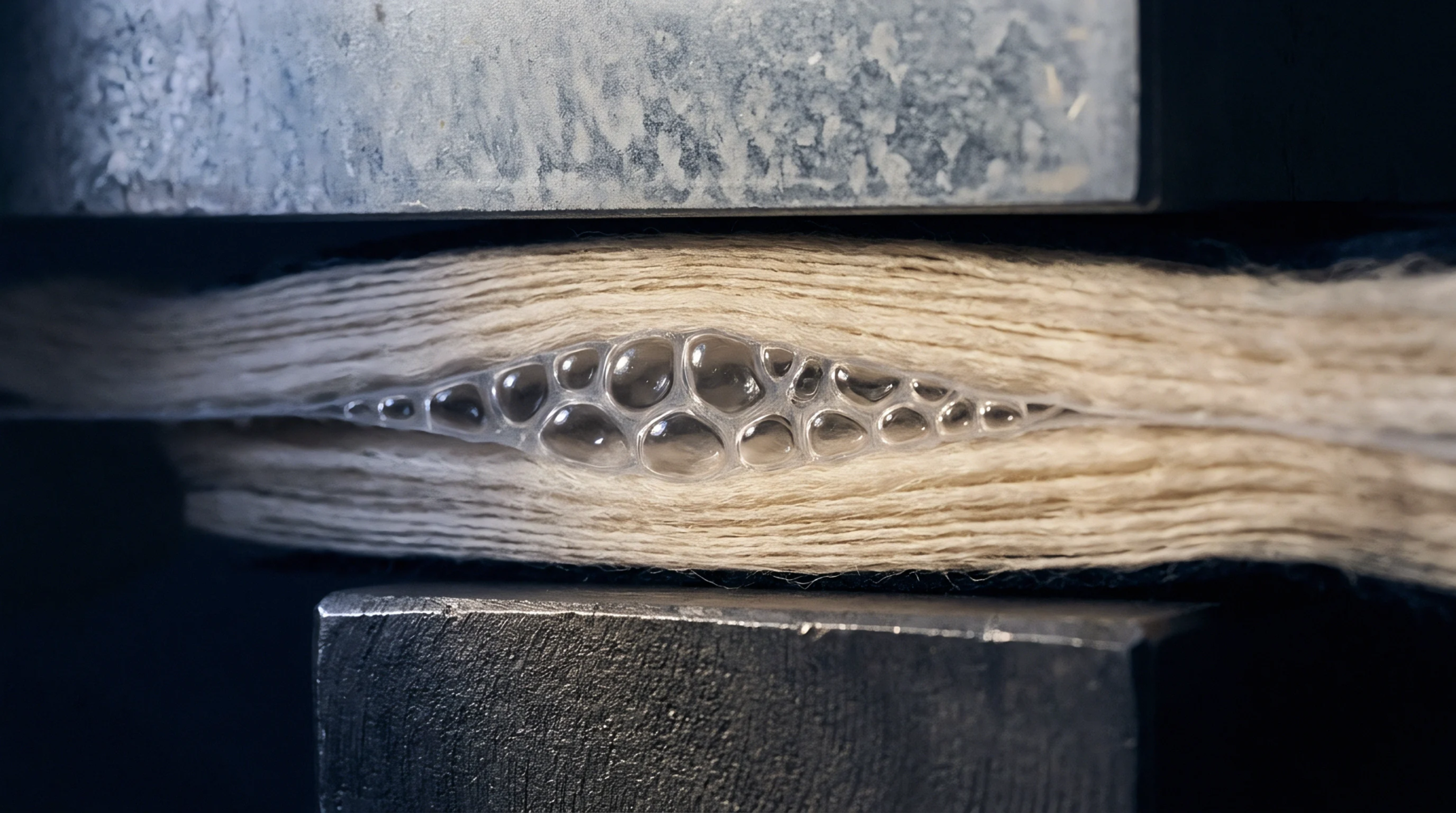
Laboratory assessment involves exposing a marked, conditioned specimen of fabric to a specified temperature in a heated oven for a fixed duration, usually between thirty seconds and two minutes. After cooling, the distance between the marked reference lines is measured again to calculate the percentage of change. This test is conducted under standards like ISO 17202 or ASTM D4974 to ensure uniform heating across the entire sample.
Performance Limit
Most apparel specifications restrict this contraction to less than two percent for woven fabrics destined for fusing. Higher values can result in garment rejects. This metric acts as a final quality gate for fabrics sent to high-speed sewing factories.