Moisture Standardization
Fiber mass measurement without moisture content represents the constant reference state for calculating commercial weights of hygroscopic textiles. Calculating transactions on a dry weight basis eliminates the variability caused by atmospheric humidity, which can alter fiber weight by up to fifteen percent. This approach ensures that buyers pay only for actual fiber substance.
Material Valuation
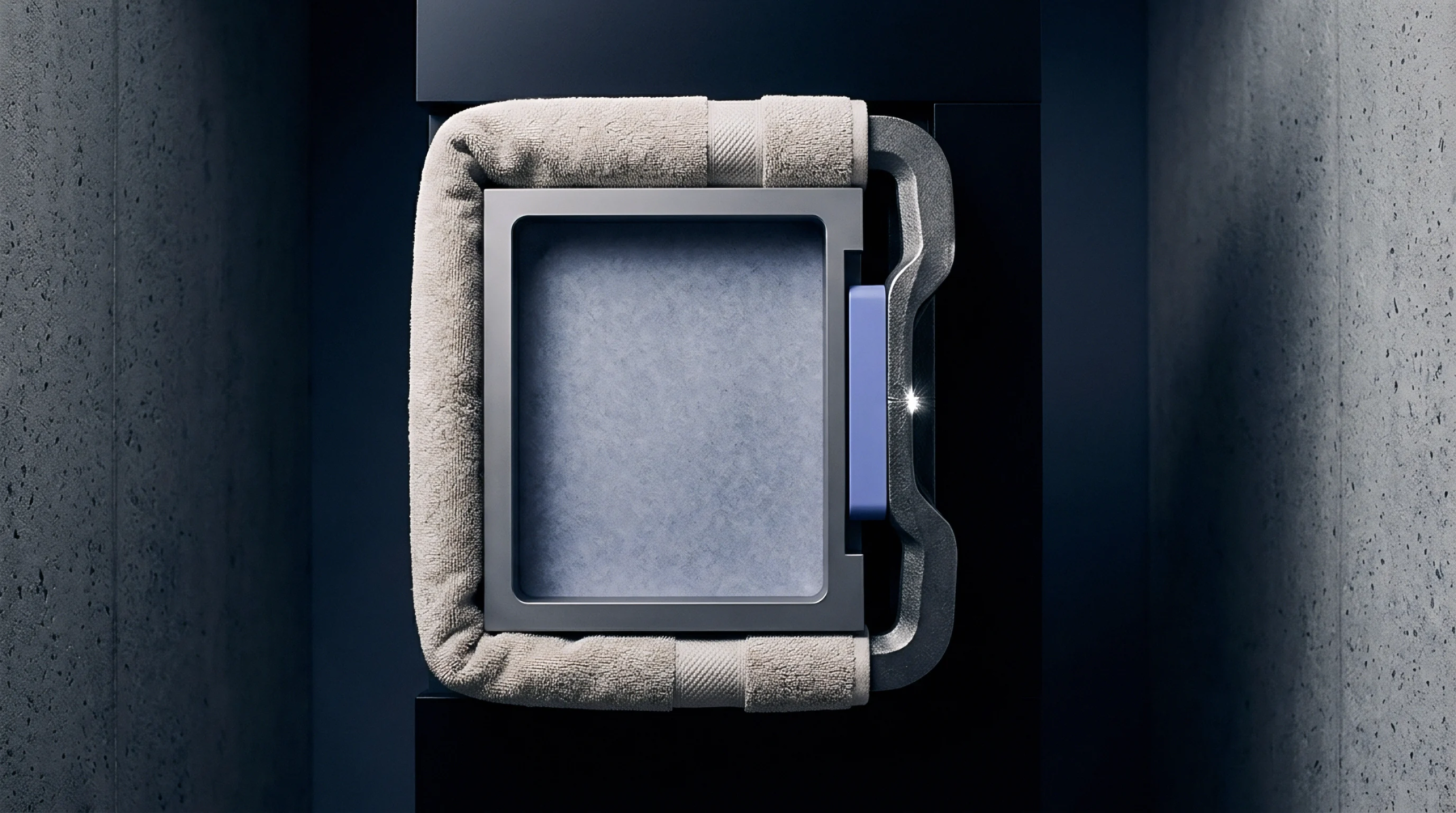
Oven drying methods are employed to heat the textile specimen until all moisture is extracted. Under a dry weight basis, the sample is weighed repeatedly at high temperatures until no further weight loss is detected. This final weight forms the benchmark to which standard moisture regain allowances are added for commercial invoicing.
Laboratory Verification
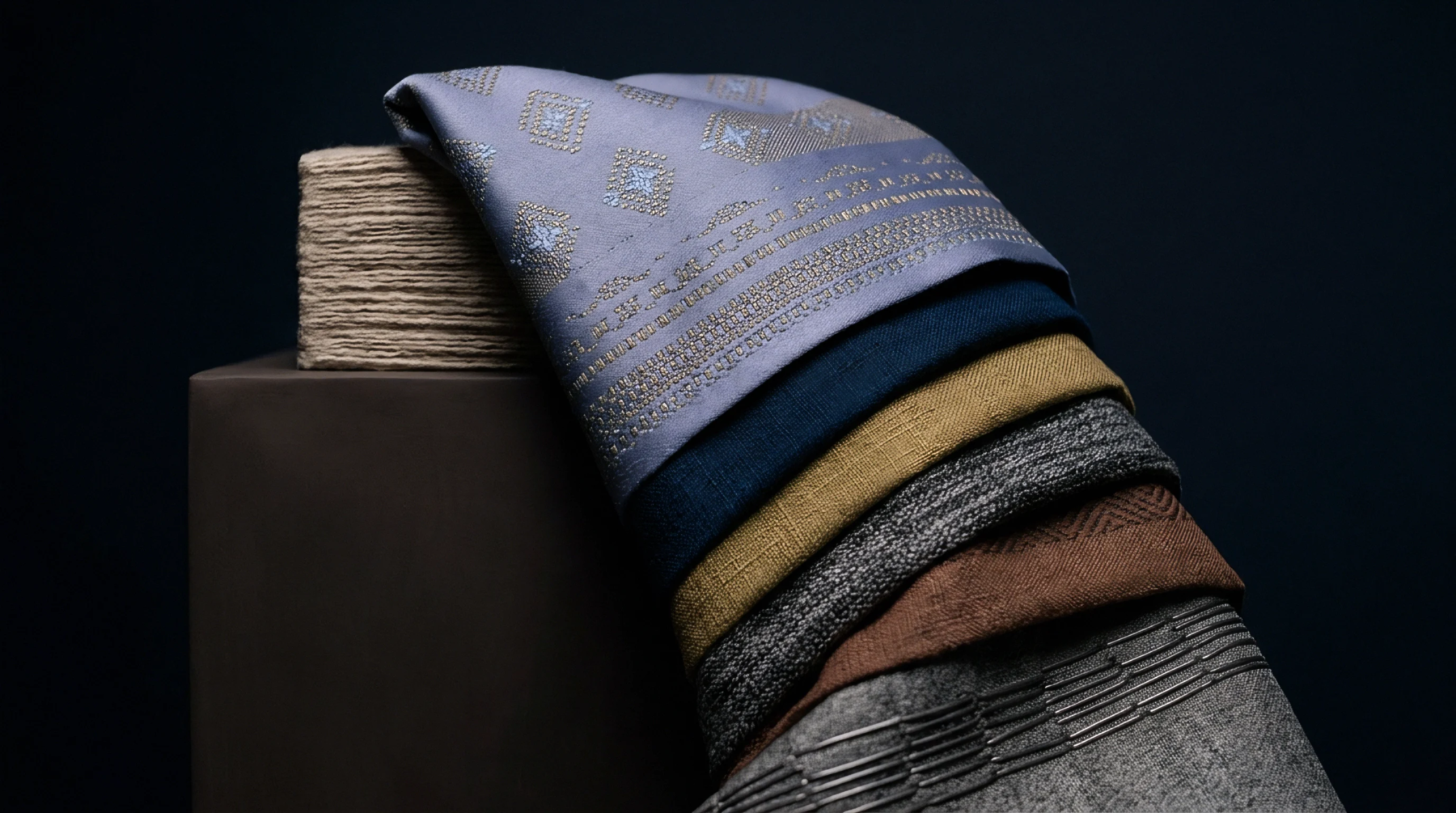
Natural fibers such as wool and cotton are highly sensitive to ambient humidity and change weight during transit. By adopting a dry weight basis, traders resolve disputes arising from moisture loss or gain in cargo holds. This method establishes a fair trade standard across different climates.
Commercial Accounting
Laboratory technicians follow standard testing procedures, such as ASTM D2724, to determine the clean dry mass of a shipment before final settlement is approved. The process requires taking random core samples from bales, weighing them in their delivered state, and then drying them to a constant weight in a ventilated oven. Once the dry weight basis is established, the commercial invoice is adjusted to reflect the agreed regain percentage, ensuring that both parties agree on the trade volume.