Process Regulation
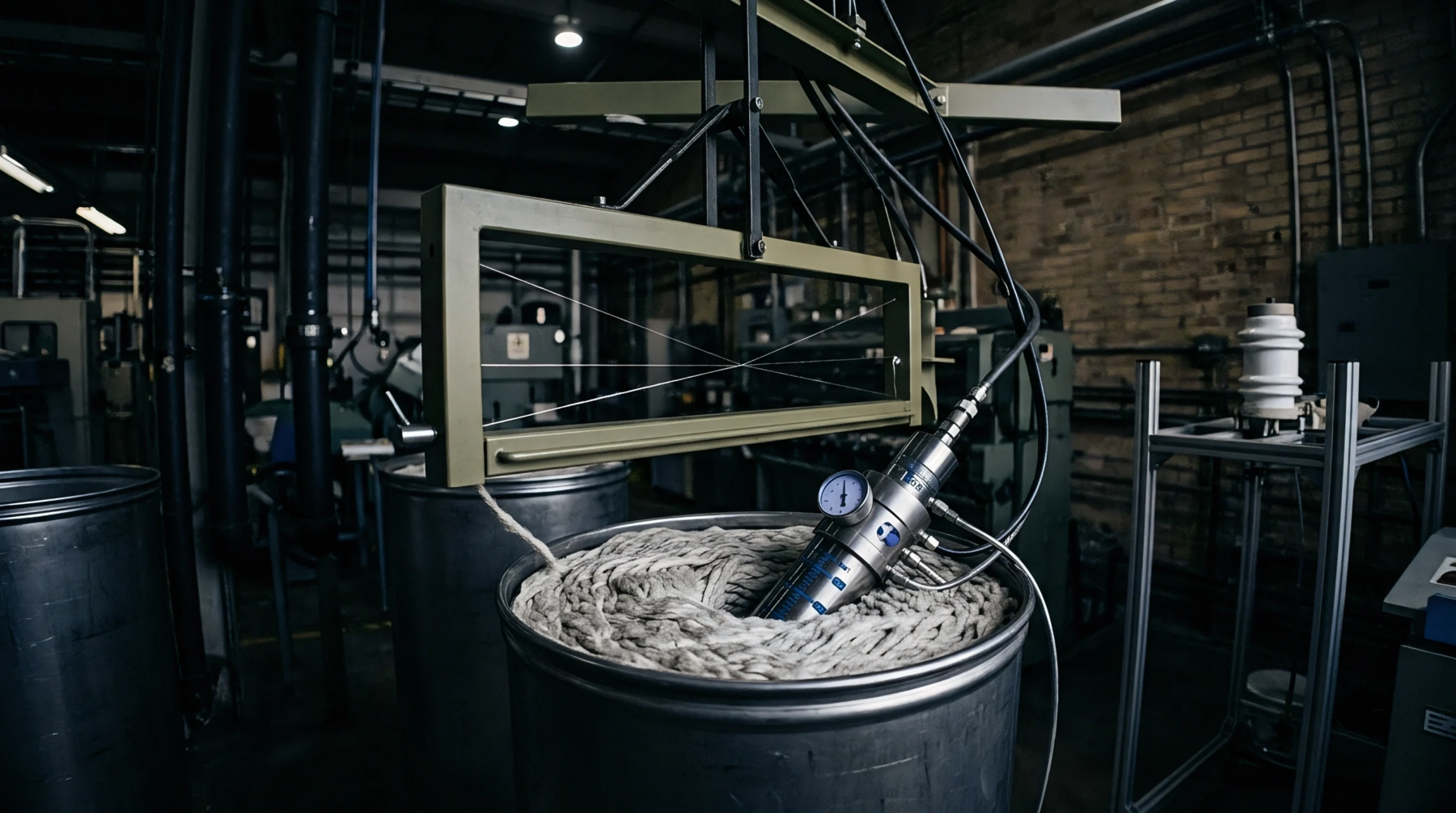
Automated regulation of liquid circulation within wet processing machinery maintains the correct liquor-to-goods ratio and uniform temperature distribution. Through precise dyehouse flow control, the rate at which dyes and chemicals are pumped through the fabric is kept at target levels. This action prevents localized dye concentration spikes that produce uneven color bands across the fabric width.
Valve Modulation
Pumping systems utilize adjustable frequency drives and motorized valves to adjust fluid movement dynamically. As the viscosity of the dye bath changes with rising temperature, the dyehouse flow control system modifies the pump speed to keep the flow rate stable. By reading data from electromagnetic flowmeters, the controller makes instant corrections to the valve openings.
This continuous adjustment ensures that the fabric receives a uniform exposure to the treatment solution throughout the process. Differential pressure sensors across the yarn packages provide a secondary feedback loop that prevents the system from exceeding safe physical limits when density varies.
Cycle Consistency
Dyeing recipes require specific circulation profiles. During the exhaustion phase, the rate of dye absorption accelerates, demanding a higher flow rate to ensure levelness. In the wash-off phase, flow rates can be reduced to conserve water and thermal energy.
Technical Execution
Inconsistent flow rates result in costly re-dyeing and structural yarn damage. If the dyehouse flow control fails and the pressure rises too high, the force of the fluid can distort the yarn structure or tear delicate fabrics. Conversely, insufficient flow results in poor dye penetration, causing the center of yarn packages to remain uncolored.