Polymer Breakdown
Irreversible chemical changes occur in elastic threads when they are subjected to extreme temperatures beyond their heat-resistance thresholds. High levels of elastane thermal degradation result in the loss of cross-links between polymer chains, turning a high-tension filament into a weak and brittle residue. The phenomenon is typically observed when stenter frames are operated with excessive dwell times or at settings above one hundred and ninety degrees Celsius.
Visible Effect
Signs of damage appear as yellowing of the fabric or a significant drop in the modulus of elasticity during final inspection. When elastane thermal degradation is extensive, the finished garment fails to snap back after being stretched by the user. Fabrics lose their smooth handle and develop a grainy texture as the internal fibres disintegrate within the structure.
Production Checkpoint
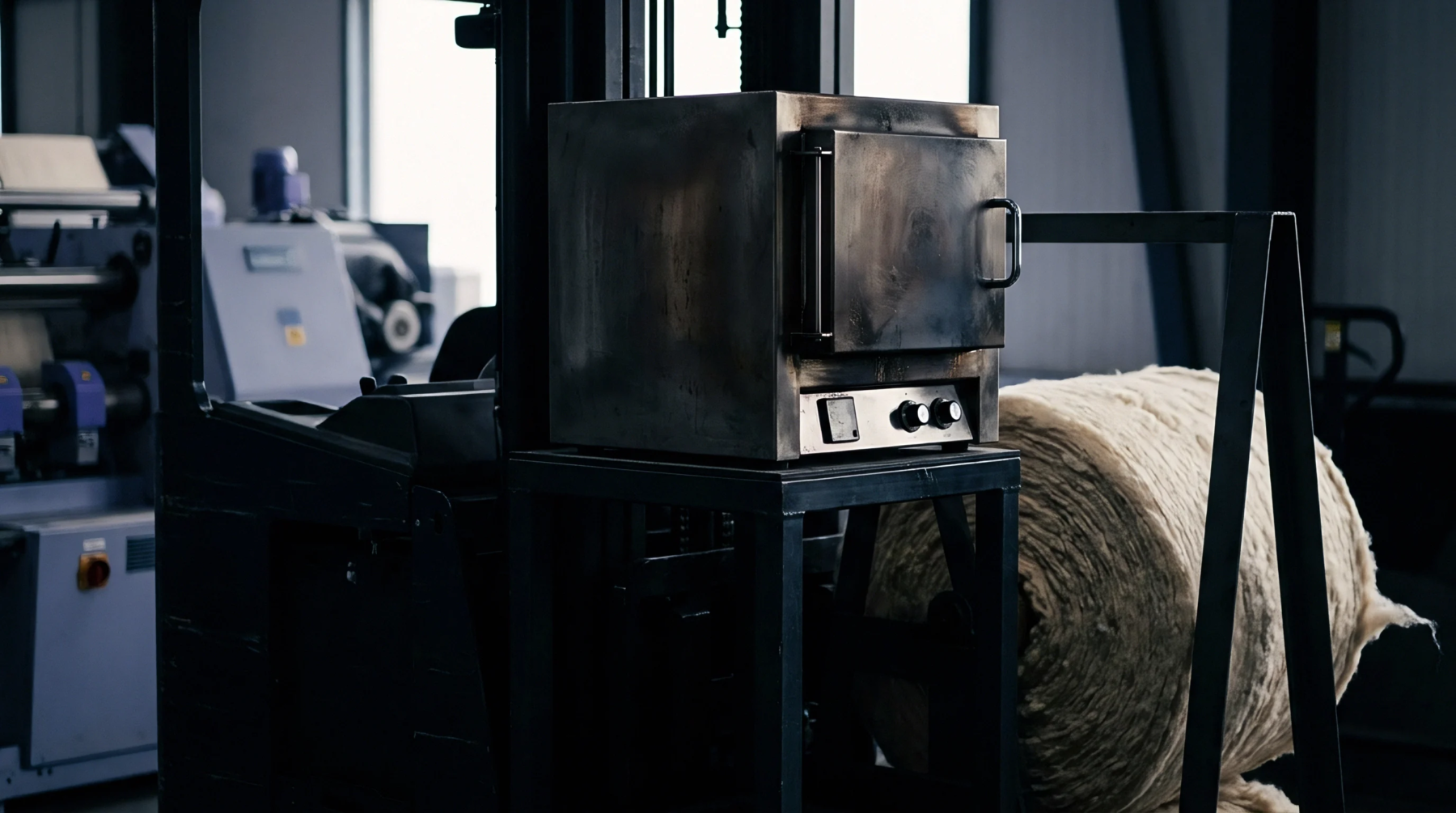
Monitoring temperature inside the curing oven prevents widespread issues across different production batches. Mills often run small test swatches to identify the exact second elastane thermal degradation starts to compromise the recovery speed of the knitted goods. This data informs the safe operational speed of the finishing line.
Quality Threshold
Commercial acceptance depends on the material retaining at least eighty percent of its initial power after heat setting. Severe cases of elastane thermal degradation make the items unsellable and lead to total batch rejection at the laboratory verification stage.