Weave Specification
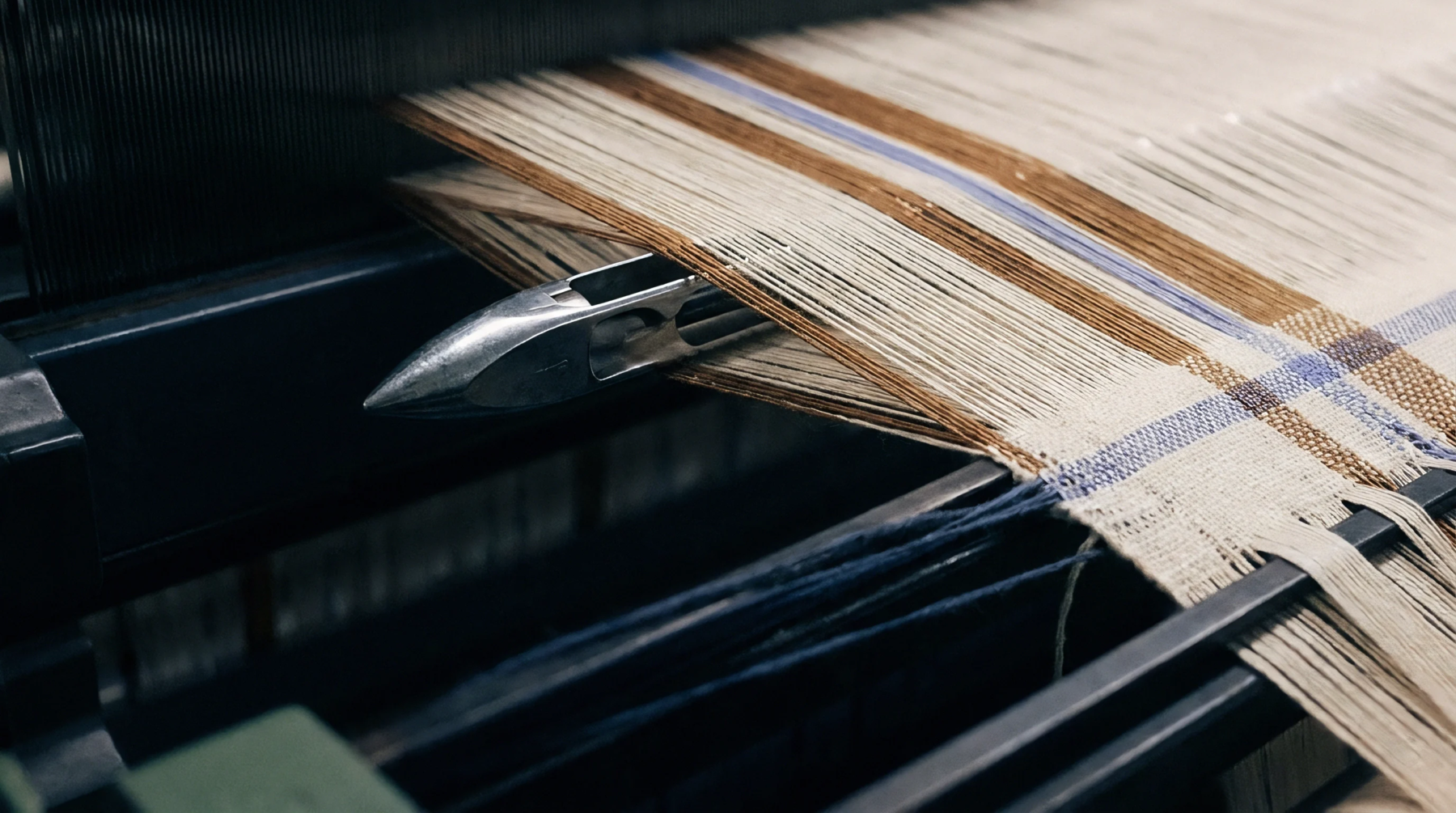
Unprocessed textile architecture defines the structural blueprint that emerges directly from the loom before wet processing alters the raw geometry. Greige fabric construction establishes the foundational count, yarn twist, and interlacing pattern that dictates every subsequent dimensional change during dyeing and finishing. Mill floors evaluate this incoming state against technical specifications to determine whether warp and filling densities meet predetermined contraction allowances.
Specifications set the exact ends per inch and picks per inch alongside yarn linear density parameters. Physical boundaries terminate at the moment wet processing chemicals modify the native state of the yarns. Laboratory technicians test raw samples under standard atmospheric conditions to establish baseline shrinkage values prior to chemical treatment.
Production managers rely on these baseline metrics to calculate finishing compensation factors for commercial dyeing batches.
Dimensional Behavior
Post-loom shrinkage depends entirely on the mechanical restraints imposed during the initial interlacing phase of production. Tension variations across the loom create localized density anomalies that surface permanently once scouring releases internal yarn stresses. Warp yarns experience higher mechanical strain than filling yarns during continuous weaving operations.
Finished garment integrity relies upon predictable relaxation rates established during this preliminary manufacturing stage. Technicians measure dimensional change by subjecting raw specimens to standard laundering protocols within controlled laboratory environments. Discrepancies between nominal yarn count and actual delivered density alter the final weight per square metre of the finished good.
Commercial Tolerance
Mill contracts bind suppliers to strict density deviations before shipments pass inspection at the buying house. Commercial disputes typically arise when delivered greige fabric construction falls outside agreed tolerance bands for width and mass. Inspectors verify these parameters by cutting multiple specimens across the full width of the roll during receiving audits.
Acceptance criteria demand that warp and filling counts remain within three percent of the purchase order specification. Rejected rolls return to the mill floor for reprocessing or financial adjustment based on verified test reports.
Quality Verification
Laboratory personnel execute standardized grab tests and analytical picks counts to authenticate structural compliance before dyeing authorization proceeds. Optical magnifying glasses assist technicians in counting individual yarn threads within a fixed square inch area of the sample. Automated tension meters record breaking load values to ensure raw material strength supports subsequent mechanical finishing without tearing.
Inspection tables illuminate surface defects including broken filaments and missing picks that compromise structural integrity. Verification protocols conclude when the audited batch receives formal certification for dyehouse entry.