Mechanical Refinement
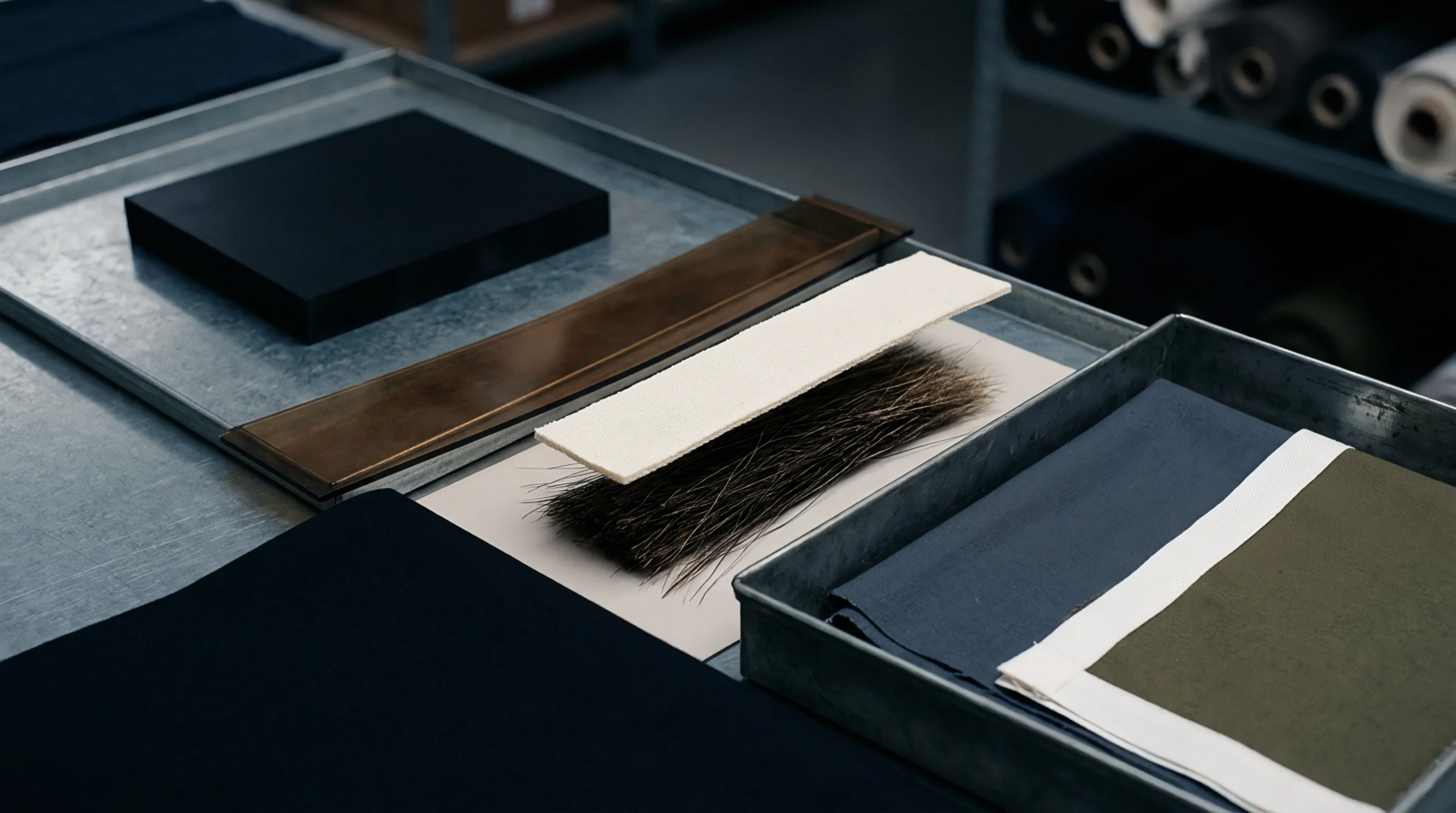
Mechanical process that extracts the stiff outer fibres from the soft undercoat of animal fleeces ensures that the final textile products achieve the high softness levels required for fine luxury apparel. When cashmere or camel hair arrives at the processing plant, guard hair separation is the primary method for isolating the valuable down from the utility grade bristles. This procedure relies on differences in fibre density and diameter to sort the materials into two distinct streams using precise airflow and vibrating screens.
If the separation remains incomplete, the resulting yarn contains thick fibres that create a rough handle in the finished cloth. Mill supervisors monitor the efficiency of the dehairing line to maintain the purity of the sorted outputs.
Sorting Mechanism
Guard hair separation works by exploiting the physical properties of the coarse fibres which are heavier and more rigid than the fine soft strands they protect. Rotating drums inside the machinery throw the hair against high speed wind currents that carry the lighter down forward while the heavy strands drop away into a collection bin. This process involves multiple stages where the material is opened and shaken to ensure that any entangled fine fibres are released from the thick ones.
Modern mills use automated sensors to adjust the wind speed and drum speed based on the specific animal breed being processed. The goal is to maximize the yield of pure soft down while minimizing the presence of any guard hair remnants in the clean lot. Excessive processing must be avoided to prevent damaging the fragile structure of the valuable fine fibres.
Purity Measurement
Quality verification of guard hair separation involves laboratory analysis of the clean down to check the residual percentage of coarse hairs still mixed in the sample. If the inspection shows a high level of unwanted hair, the technician sends the lot back for another round of mechanical cleaning. This verification stage prevents low quality material from entering the high speed spinning frames where it would cause yarn breakage and surface defects.
Retailers look for high separation consistency when choosing a mill partner for expensive wool or specialty animal hair contracts. Commercial specifications list the maximum allowed coarse hair count per gram of sorted fibre as a baseline for acceptance. High performance in this area results in a more uniform fabric that holds its shape and maintains its softness after repeated laundering.
Economic Optimization
Refining the guard hair separation sequence helps mill owners balance the cost of machinery operation against the increased market value of ultra pure down. Every additional pass through the dehairing line increases labor costs but results in a finer product that commands a premium price from international designers. Precise control of the equipment reduces fibre loss by keeping useable short fibres inside the production flow.
The rejected coarse material often finds another life as insulation felt or heavy carpets to recoup some of the processing expenses. Maintaining clear separation between the two streams is the fundamental task of a modern specialty hair refinery. Advanced sorting technology provides the only way to meet the zero defect demands of the top tier luxury market.