Core Sampling Mechanics for High Density Cotton Bales
Rotary mechanical core sampling extracts representative lint strata from high-density cotton packages while preserving fibre length profiles for accurate arbitration.
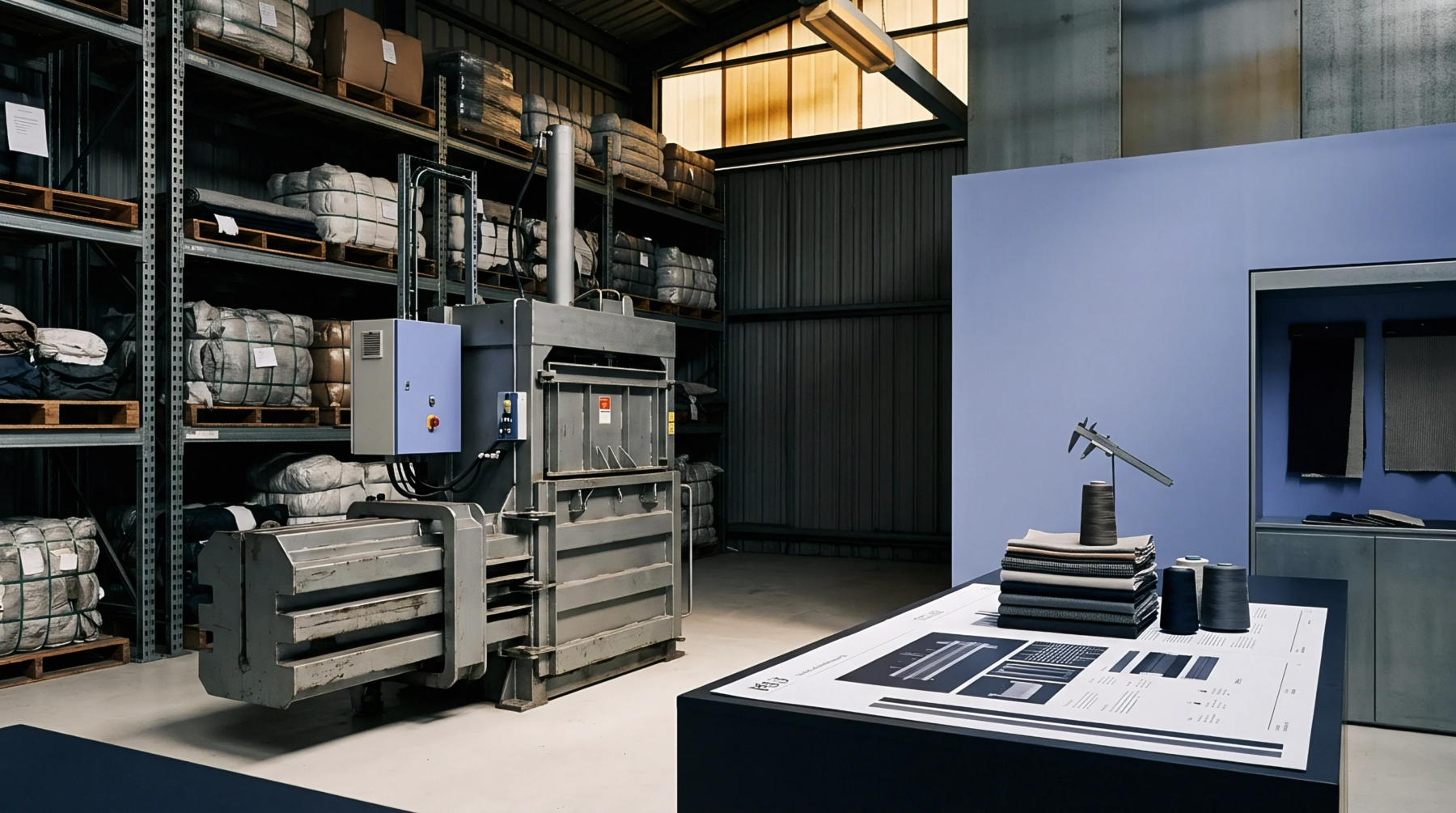
Rectangular bale packaging compressed under hydraulic pressure exceeding twenty-four hundred kilopascals facilitates international maritime containerization. Commercial trade identifies high density cotton as compressed bales achieving target densities of four hundred forty-eight kilograms per cubic meter or twenty-eight pounds per cubic foot. Compressing loose lint cotton down from field gin density saves cargo space inside intermodal shipping containers and ocean vessel holds.
Packaging presses apply high forces to compress loose lint, which steel or high-tensile plastic bands immediately strap to prevent structural re-expansion. Bales failing to meet high density standards face severe sea freight penalty charges or outright rejection by ocean carriers operating international container lines.
Universal density gin presses produce standard warehouse bales that require secondary processing through specialized maritime recompress presses to attain true shipping density. Enclosed steel compression boxes receive warehouse bales, where opposing hydraulic rams compress the fiber mass across all dimensions. Strapping heads apply eight to ten high-tensile wire ties or cold-rolled steel bands around the compressed package within seconds.
Hydraulic decompression releases internal forces against the tie bands, which stretch slightly until reaching mechanical equilibrium. Finished bales receive heavy polyethylene, woven polypropylene or cotton bagging sheets to guard against marine condensation, soot contamination and mechanical hook punctures during handling.
Extremely high packing pressures compact cotton fiber tufts into dense, consolidated masses that resist standard mechanical opening lines. Automated bale plucking machines running revolving detaching rollers must strip thin, uniform layers across dozens of adjacent bales to prevent large chunks from entering cleaning lines. Mills working with high density cotton must extend bale conditioning times to forty-eight hours inside moisture-controlled staging rooms prior to laydown.
Cold, compressed cotton tufts resist moisture re-absorption, causing fiber shattering, increased short-fiber content and nep generation if fed into opening machinery prematurely. Opening room beaters require adjusted rotational speeds and wider grid bar clearances to process compressed stock without breaking tangled fibers.
Freight receiving depots verify bale packaging compliance through volumetric measurement and weight verification using calibrated platform scales. Inspectors calculate density by measuring package length, width and height between strap crown points, comparing cubic dimensions against total bale mass. Bales with broken bands expand beyond dimensional limits, creating rolling edges that prevent automated container loading.
Shipping documentation records bale gross, tare and net weights alongside certified density classifications. Maritime carriers issue freight penalties for under-density cargo that fills container volume before reaching maximum payload weight limits, making verified packing density an enforceable condition of international cotton sale contracts.
Rotary mechanical core sampling extracts representative lint strata from high-density cotton packages while preserving fibre length profiles for accurate arbitration.
Expertise is a utility, not a secret. sentiention™ publishes its working knowledge as open reference: intelligence layer covering the materials it sources, the markets it enters, and the reference that serves both.